Nassau's Lynden Pindling International Airport Serves as Private Aviation Hub for Bahamas Property Buyers
Why It MattersPrivate aviation infrastructure and residency-by-investment thresholds increasingly shape where luxury coastal developments locate, tying real estate demand to airport access and flight time from major feeder cities.
What happened
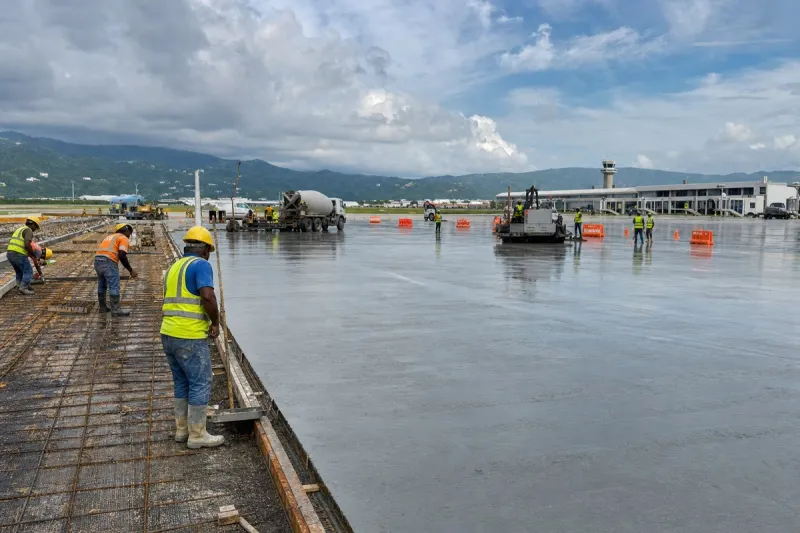
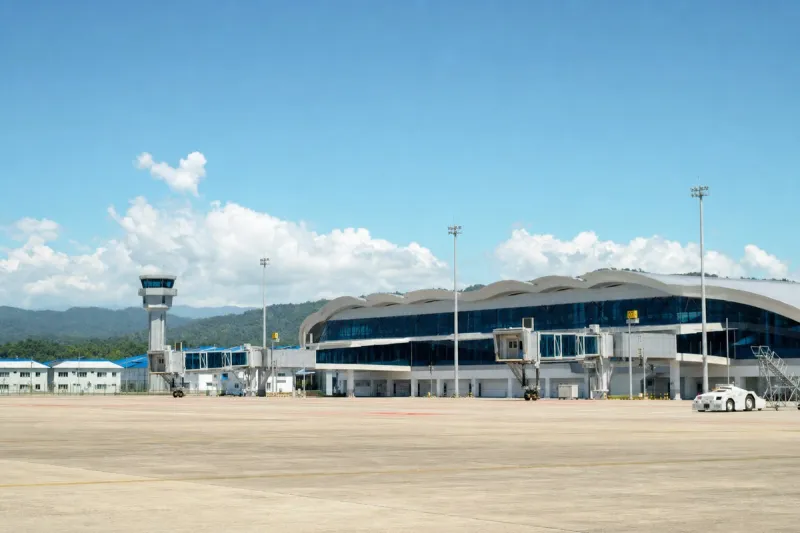
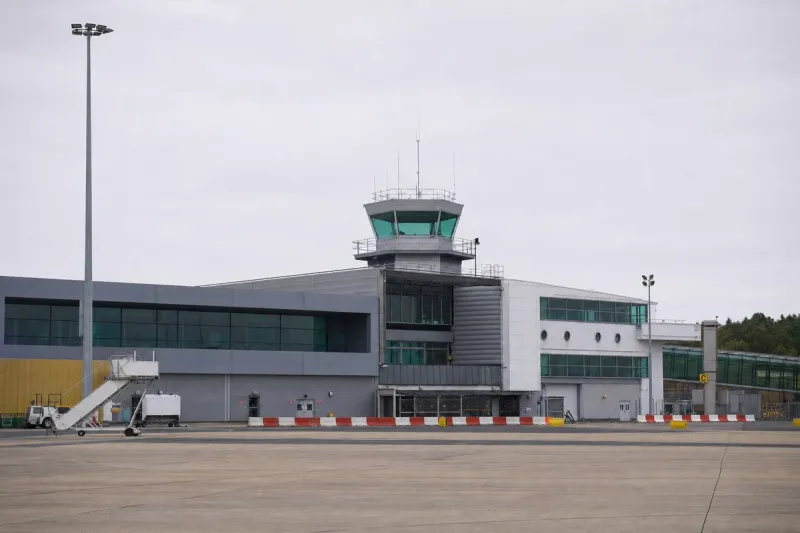
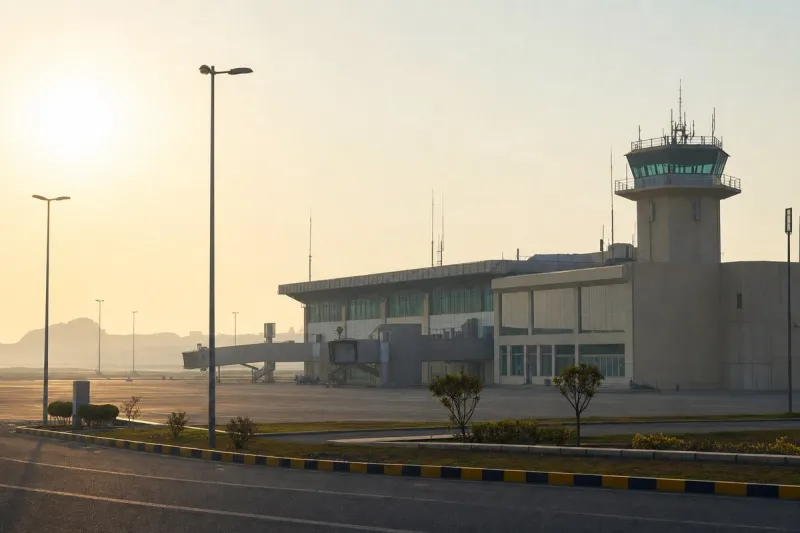
Lynden Pindling International Airport (LPIA) functions as Nassau's primary gateway for private aviation, serving luxury property buyers arriving from Miami, New York, and Toronto. Its longest runway exceeds 11,000 feet, and it is a designated Airport of Entry for international private arrivals in The Bahamas, where passengers must present valid passports and clear customs.

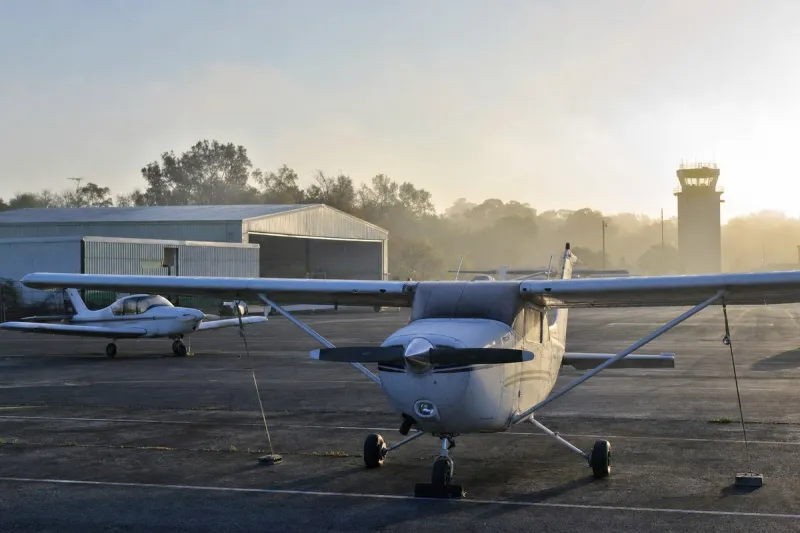
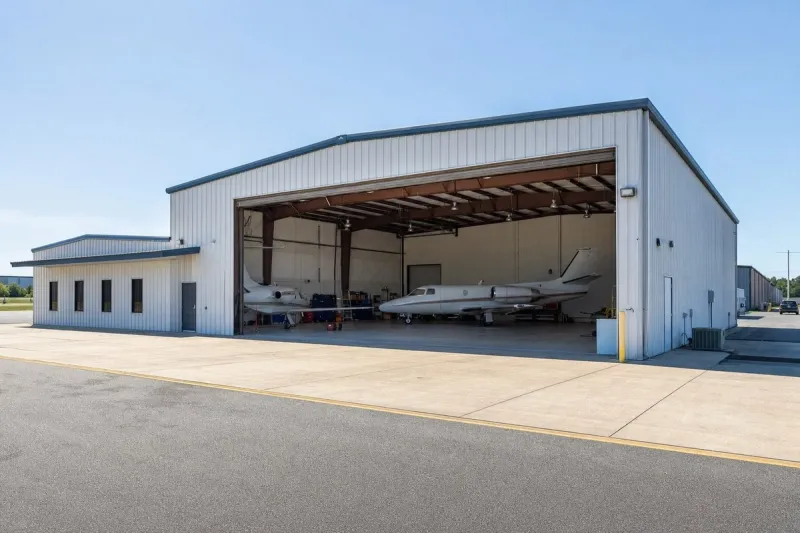
Two Fixed-Base Operators serve private travelers at LPIA. Odyssey Aviation's Nassau facility includes an executive lobby, private passenger areas, pilot facilities, two large aircraft hangars, and on-site customs and immigration services, along with aircraft handling, fueling, parking, concierge services, and ground transportation arrangements. Jet Nassau offers aircraft handling and personalized services for private passengers and flight crews. Private flights from Miami to Nassau typically take approximately one hour, while Teterboro Airport serves as a key departure point for travelers from the New York area. Nassau also serves as a base for inter-island charter flights to Exuma, Bimini, Eleuthera, the Abaco Islands, and Harbour Island, the last accessible via North Eleuthera Airport.
Aqualina, a beachfront residential development at Cable Beach developed by Aristo Development, consists of two residential towers: Tower 1 is complete and occupied, and Tower 2 is under construction. Cable Beach sits approximately 15 minutes by car from LPIA under normal traffic conditions, and Aqualina offers residents a private car and driver service for airport transfers upon request. Real estate investments meeting the current minimum threshold of $1 million may qualify buyers to apply for Economic Permanent Residency in The Bahamas, subject to applicable immigration requirements.
Industry impact & what to watch
This case illustrates how luxury residential developments in island and coastal markets increasingly market proximity to private aviation infrastructure as a core selling point, pairing flight-time data from feeder cities with on-site FBO capabilities to shorten the door-to-door travel experience for buyers. Airports of Entry with dedicated customs handling for private arrivals, like LPIA, function as a gateway that developers can lean on without building their own aviation infrastructure.
The segment's economics rest on a chain of service providers rather than a single actor: the FBOs handling arrival and ground logistics, the charter operators connecting outlying islands, and the residential developer coordinating last-mile transfers between runway and property. Bundling residency qualification, tied to a $1 million investment threshold, with airport access adds a second driver of demand beyond lifestyle appeal alone.
What remains to be seen is how Tower 2's completion at Aqualina and any changes to the residency investment threshold affect buyer interest, since both sit outside the developer's or the airport's direct control.