Gary/Chicago International Airport Breaks Ground on $18.3 Million, 100-Foot Air Traffic Control Tower
Why It MattersThe project shows how airport infrastructure often lags behind runway expansions for years until staged federal grants finally align to fund a fix.
What happened
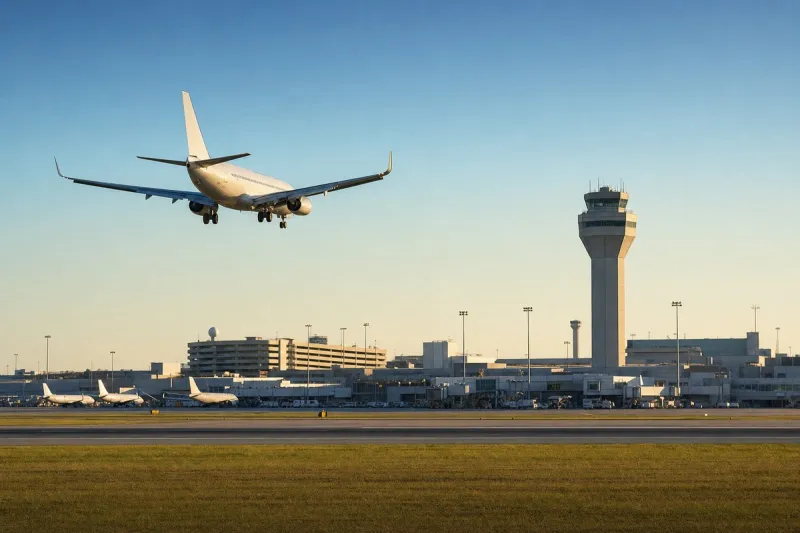
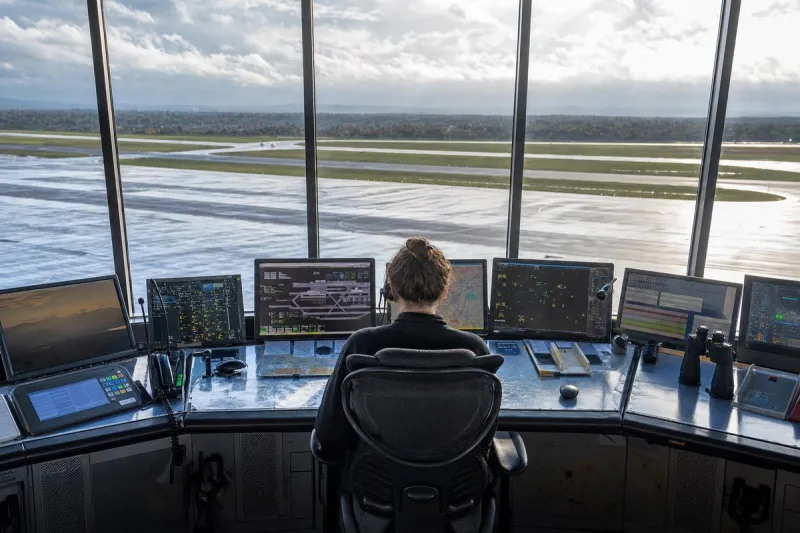
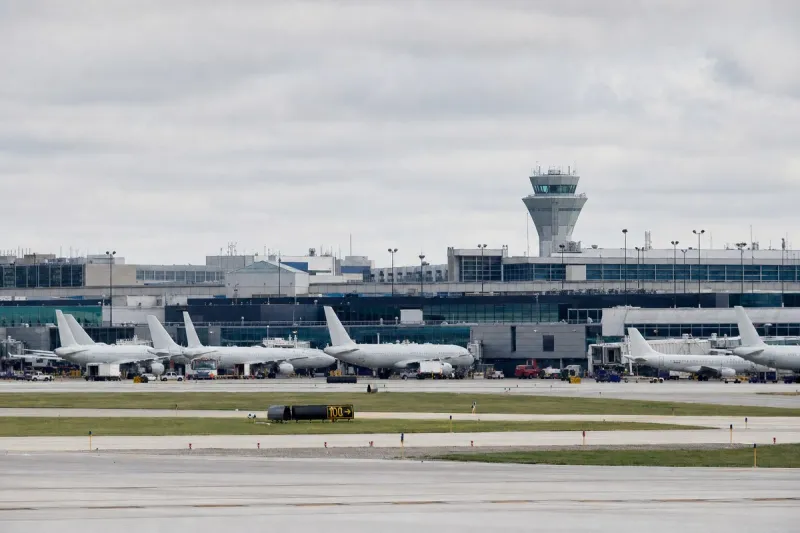
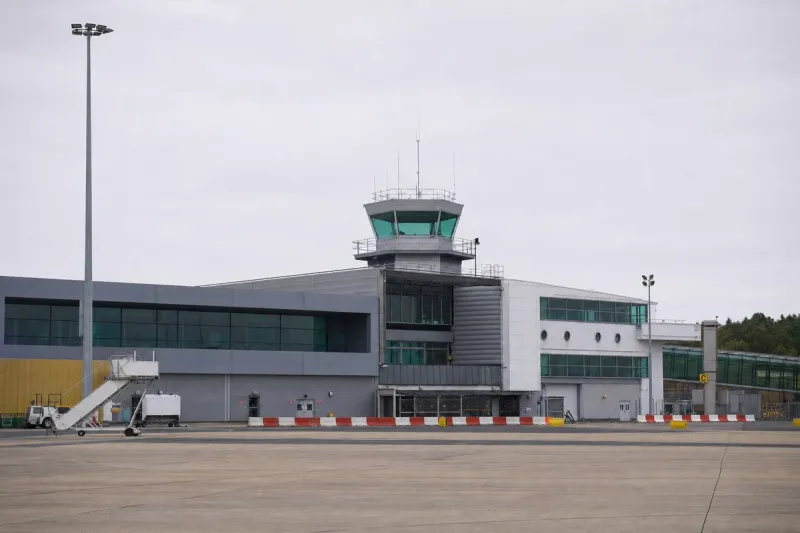
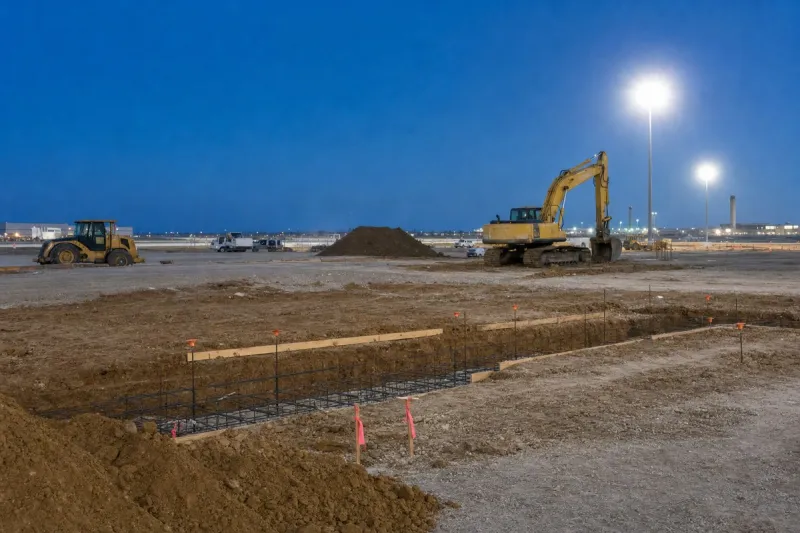
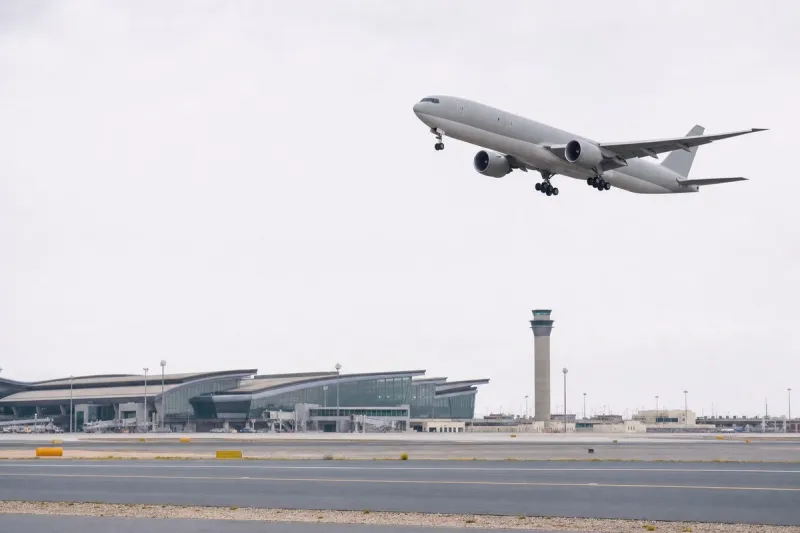
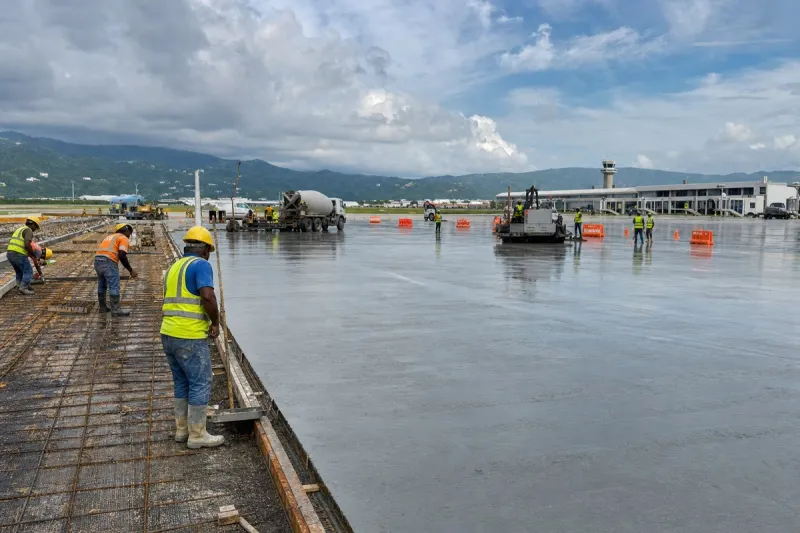
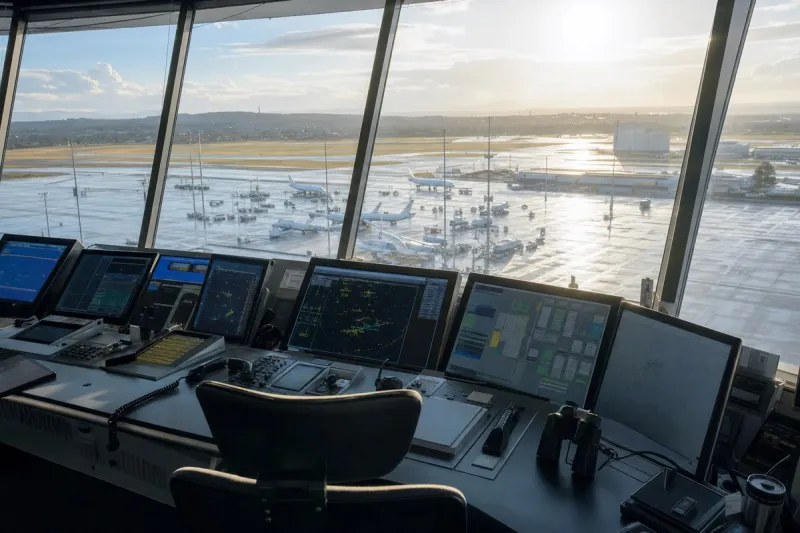
Officials broke ground on September 18, 2026, for a new $18.3 million air traffic control tower at Gary/Chicago International Airport in Gary, Indiana. The new structure will stand 100 feet tall, 50 feet higher than the existing tower, which is 54 years old. Airport Executive Director Dan Vicari said the taller tower will give controllers better visibility of the entire runway for incoming aircraft, adding, "It's really just about making it higher." Officials had previously described the existing tower as inefficient and obsolete.
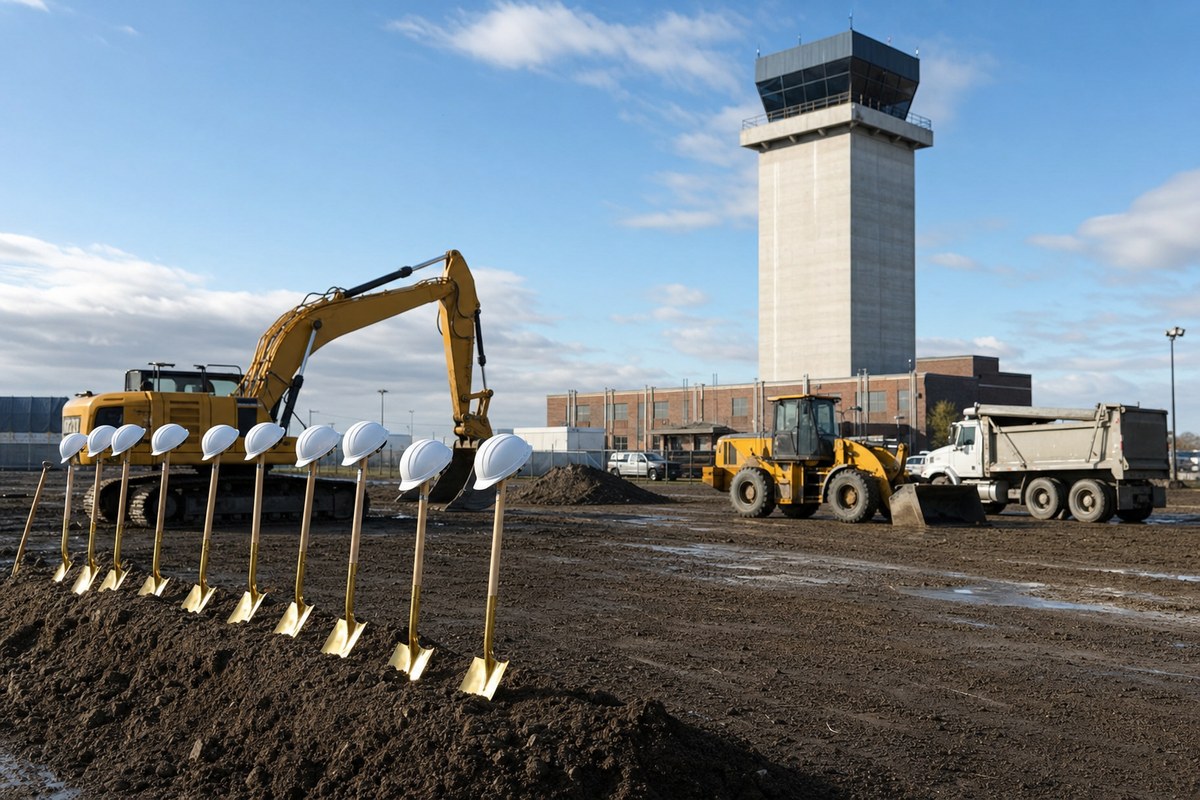
Vicari said the need for a taller tower became clear 11 years ago when the airport opened its $174 million expanded runway, which the aging tower could not adequately cover. The new tower is expected to open in approximately 22 months, after which the old tower will be demolished. It will include conference rooms, offices, two restrooms, a break room, and a mechanical room — amenities the current tower lacks. Six controllers currently staff the existing tower, which operates during typical daytime hours until approximately 6 p.m.
Funding came in stages from the FAA. In 2024, the FAA approved a $1.7 million grant for design and engineering, chosen from about 80 airports that applied, with 20 approved. In May 2026, the airport received a $10 million FAA construction grant, followed by an $8.3 million FAA grant the month before the groundbreaking, completing the project's funding. In June 2026, the airport authority awarded a $16 million construction contract to Larson-Danielson Construction of LaPorte, Indiana. Airport authority member Vanessa Allen-McCloud said the project reflects more than a decade of strategic investment, and U.S. Representative Frank Mrvan (D-Highland) attended the groundbreaking ceremony.
Separately, the airport last week opened a new $24 million, 55-acre air cargo campus on its northwest side, already occupied by UPS. FedEx is also building a $60 million distribution center north of the airport.
Industry impact & what to watch
This case illustrates a common lag in airport capital planning: a runway expansion changed operating conditions well before the supporting infrastructure — here, the control tower — caught up. Eleven years passed between the runway project and the tower groundbreaking, a gap that reflects how tower construction depends on sequential federal funding rather than a single capital allocation.
The staged FAA grants — $1.7 million for design in 2024, $10 million and then $8.3 million for construction in 2026 — show how airport infrastructure projects of this scale typically assemble funding across multiple grant cycles and competitive rounds rather than closing in one award. With roughly 80 airports applying for the 2024 design grant and only 20 approved, the funding process itself functions as a filter on which airports can move forward.
The cargo campus opening and FedEx's distribution center under construction point to growing freight activity around the airport, which adds to the case for airspace and staffing capacity even as the tower project addresses visibility rather than throughput directly. The next milestone to watch is the tower's expected opening in approximately 22 months, at which point the 54-year-old structure is to be demolished.