ExecuJet MRO Services Australia Completes 20-Year Heavy Maintenance Check on Indonesian-Registered Embraer Legacy 600
Why It MattersHeavy checks on aging business jets increasingly hinge on cross-border access to specialised repair expertise and equipment, shaping which MRO facilities can retain long-haul, foreign-registered customers for the most demanding inspections.
What happened
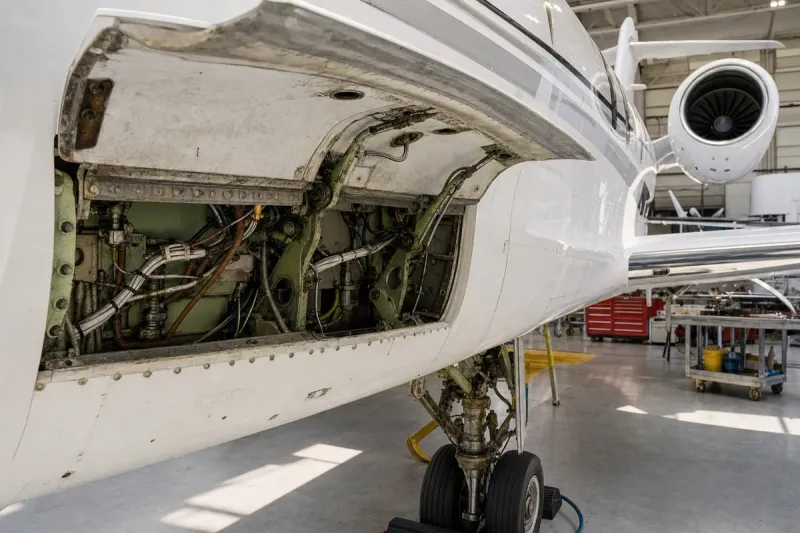
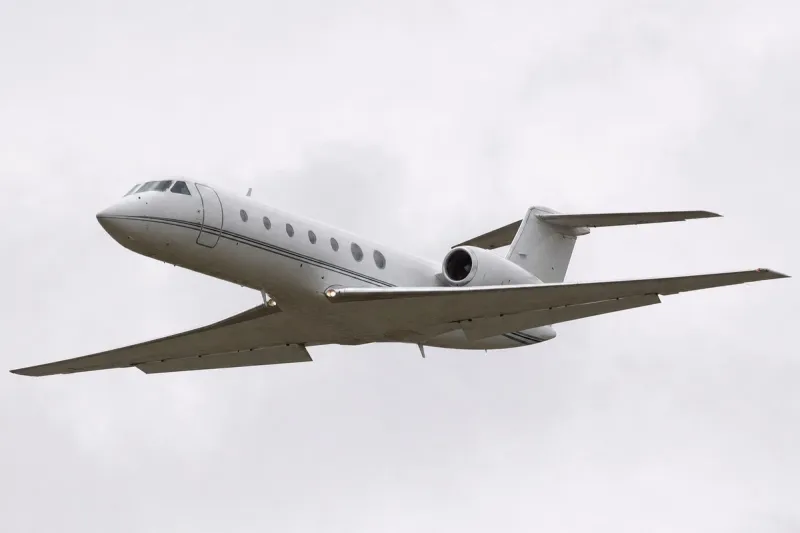
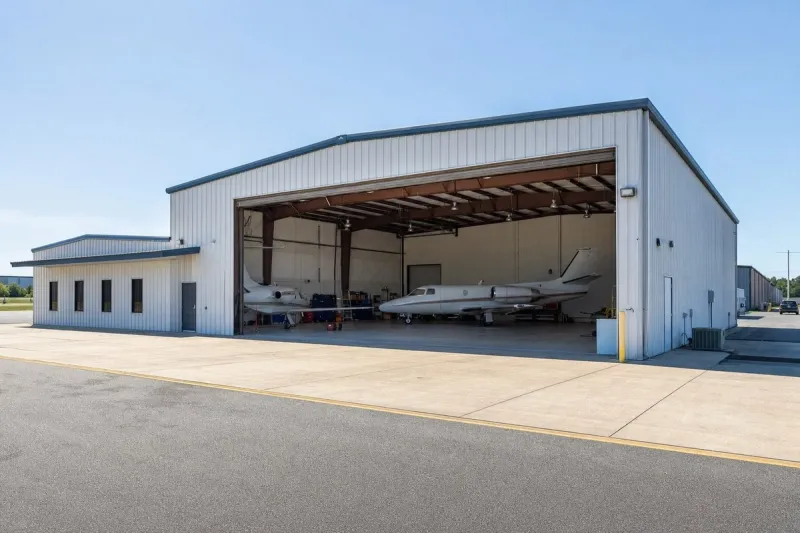
ExecuJet MRO Services Australia has completed a 20-year scheduled airframe inspection on an Indonesian-registered Embraer Legacy 600 at its facility in Sydney, Australia. The 20-year check is among the heaviest maintenance inspections performed on the type, requiring removal of the landing gear and cabin interior to allow examination of hard-to-reach structural areas.
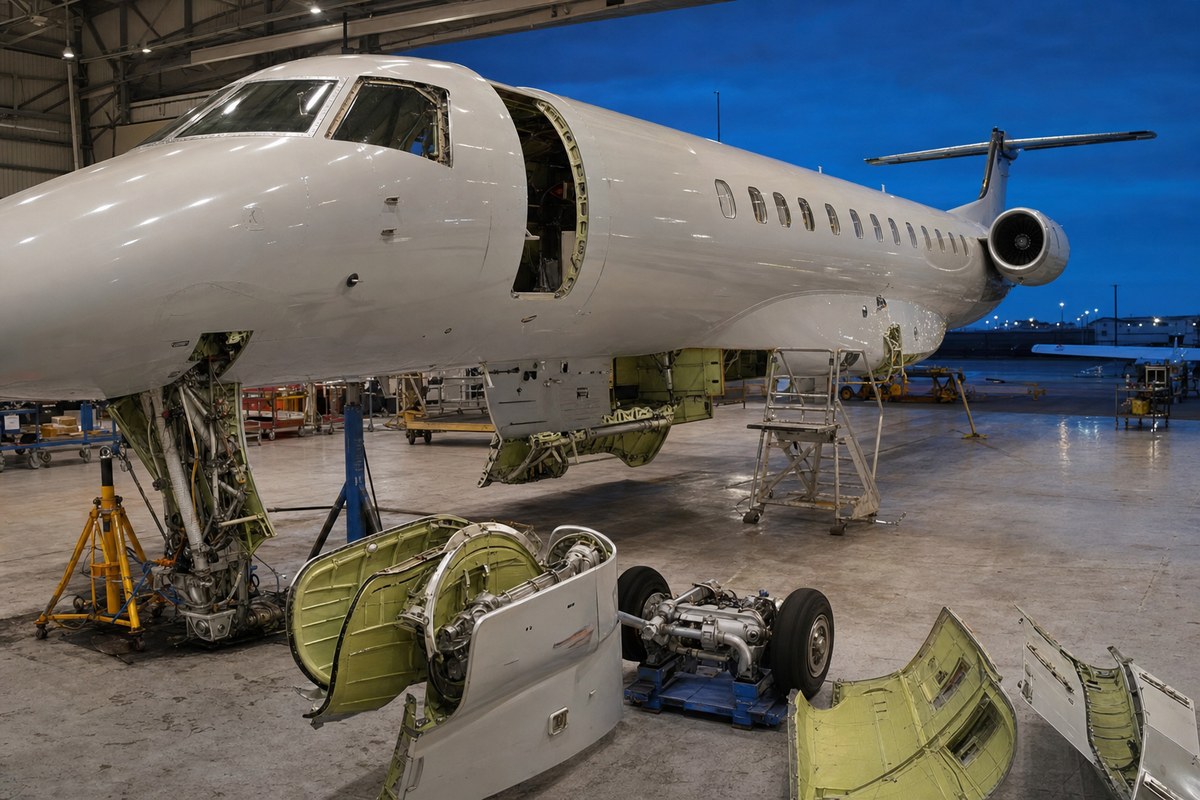
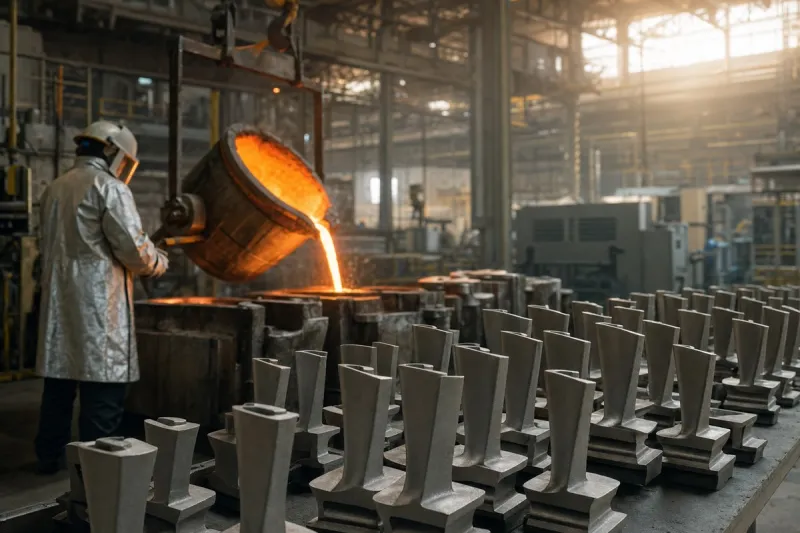
Engineers conducted direct visual inspections to assess structural fatigue, and several defects requiring specialised repairs were identified during the process. To address those defects, ExecuJet coordinated with Embraer and specialist engineering partners to bring expertise and specialised equipment from North America and Europe to Australia. The team deployed a custom-built line boring jig to restore the affected components, with work carried out to tolerances measured in thousandths of an inch.
ExecuJet MRO Services Australia holds certification from Indonesia's Directorate General of Civil Aviation (DGCA) and performs approximately three heavy airframe maintenance checks on Indonesian-registered aircraft each year. Grant Ingall, Regional Vice President, Australasia, at ExecuJet MRO Services, said customers value the direct access and transparency provided throughout the maintenance process, including the ability to visit the hangar and speak with engineers and technicians. He added that the company's Australian team includes Indonesian-speaking staff, facilitating communication with Indonesian customers during maintenance visits.
Industry impact & what to watch
A 20-year airframe check sits at the heaviest end of scheduled maintenance for a business jet of this type, and cases like this show how such inspections can turn into cross-border engineering projects rather than routine hangar visits once structural defects surface. When a facility lacks the parts, tooling or specialist skill on site, the response is to import it — in this instance from North America and Europe — which ties the timeline and cost of a heavy check to how quickly that expertise can be mobilised.
Foreign DGCA certification and language capability function as market access tools in this segment: they let an MRO based in one country compete for scheduled heavy checks on aircraft registered in another, where trust in communication and process transparency can matter as much as technical capability. ExecuJet's stated expectation of more Indonesian-registered aircraft arriving for major maintenance in the coming months will be the next signal of whether this capability translates into a sustained flow of cross-border work.