Gulfstream GIII (1979–1986): Specs, Ownership Costs and Operational Profile
Why It MattersIn the used large-cabin jet market, aircraft with orphaned engine programs and mandatory noise-compliance modifications shift ownership economics from acquisition price toward recurring maintenance and overhaul reserves absorbed entirely by the owner.
What happened
The Gulfstream GIII, produced in Savannah between 1979 and 1986 with approximately 200 aircraft built, is the sole production variant of the type. It is currently the cheapest large-cabin, ocean-crossing Gulfstream on the market. Estimated ownership cost is roughly $744,000 per year, or $7,440 per flight hour at 100 annual hours, based on current maintenance labor, fuel burn, and insurance data.
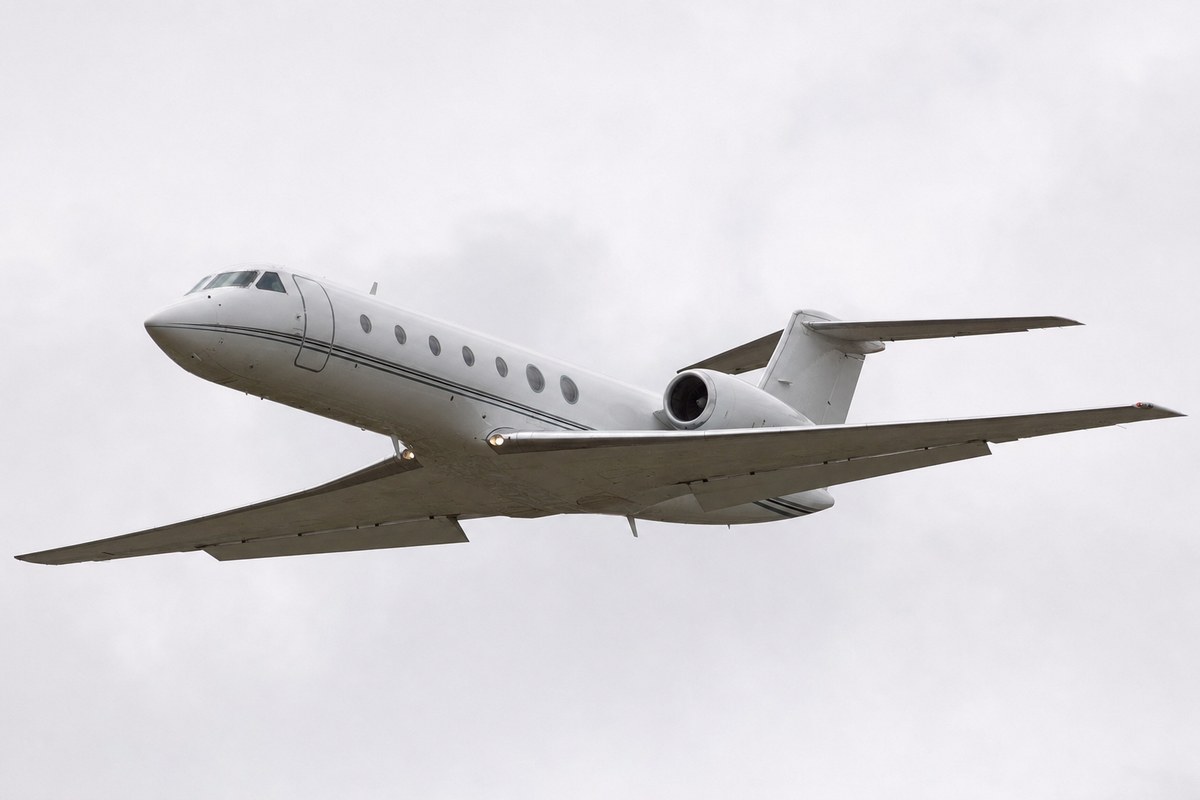
The GIII developed from the Gulfstream II: Grumman's design work added six feet of wing span, a recontoured leading edge, five-foot NASA-derived winglets credited to Richard Whitcomb's research, and a two-foot cabin stretch aft of the entry door, while the Rolls-Royce Spey turbofan engines, carried on the airframe since 1966, were left unchanged. The GIII first flew in December 1979. Grumman had sold the production line to Allen Paulson in 1978, and Chrysler acquired the renamed Gulfstream Aerospace in 1985. A 2013 FAA rule barred Stage 2 jets in the GIII's weight class from the contiguous United States after 31 December 2015; of seventeen affected models, only the Gulfstream II and III could be hushkitted. Quiet Technology Aerospace built the Spey hushkit, with installation slots selling out as the deadline approached, while an alternative STC from Trolltune offered noise relief at Van Nuys by permanently capping takeoff weight, reducing payload and range.
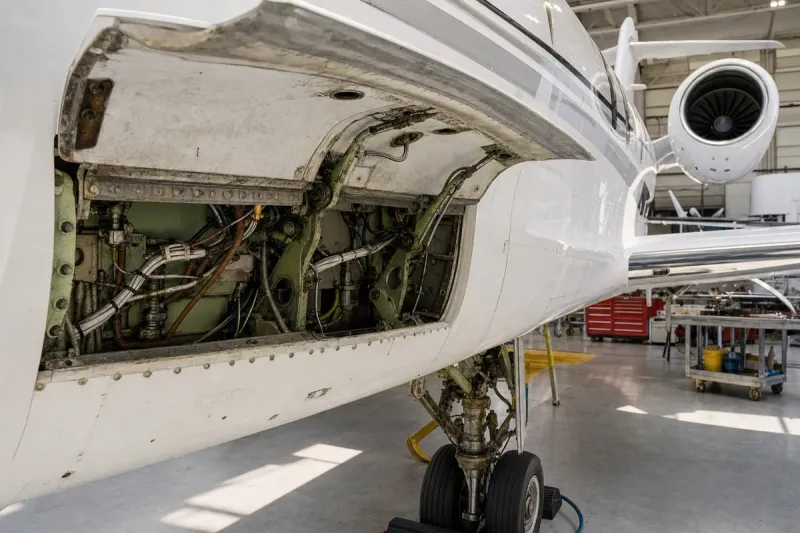
The Rolls-Royce Spey is not included in Rolls-Royce's current business-aviation program lineup: no hour-based engine program exists, nothing transfers at sale, and overhaul reserves fall to the owner. Overhaul work in the United States is performed by one Rolls-Royce-authorized facility, StandardAero at Dallas/Fort Worth. Maintenance is calendar-driven: non-destructive inspection of the lower wing planks recurs every 18 months, corrosion at the aft-fuselage bulkhead is an ongoing watch item with no FAA-issued terminating action, and a 2016 airworthiness directive established life limits on the elevators, published only through Gulfstream's maintenance-manual revision stream. Recurrent crew training is conducted at FlightSafety's Dallas center.
Typical cabin layouts seat approximately 13 passengers in club chairs and divans under just over six feet of standing headroom, with a full-size galley supporting a cabin attendant and an enclosed aft lavatory providing in-flight access to the baggage hold. The military operated the type as the C-20 in five variants. Special-mission operators include NASA, which acquired a C-20A from the Air Force in 2002 and fitted a radar pod in 2007 for earth-science measurements; Calspan, which operates two as sensor and jammer testbeds at Niagara Falls; and Phoenix Air, which operates three aircraft.
Industry impact & what to watch
This case illustrates a pattern common to aging large-cabin jets whose engines have fallen out of manufacturer support: acquisition price drops sharply while the operating cost floor is set by overhaul reserves, mandatory noise compliance, and calendar-driven inspections that don't scale down with utilization. A single authorized overhaul shop and a hushkit or takeoff-weight-capping STC as the only two compliance paths for the entire type mean owners have limited leverage on price or scheduling for the parts of the cost structure that matter most.
The segment's economics separate by mission profile rather than by sticker price. Light-use executive transport favors newer types or charter because fixed calendar maintenance and orphaned-engine overhaul reserves erode utility at low annual hours; high-utilization flight departments, research fleets, and special-mission operators can spread that same fixed cost over enough flight hours to make it workable, which is why NASA, Calspan, and Phoenix Air appear among current operators.
What happens to elevator life limits, wing-plank inspection intervals, and bulkhead corrosion monitoring going forward will determine whether the airframe's calendar-driven cost base holds steady or climbs as the fleet ages further, since none of those items currently carries an FAA-issued terminating action.