Ground Operations Emerge as Next Major Frontier for Airport Capacity and Efficiency
Why It MattersAs runway capacity nears physical limits at fast-growing hubs, apron and turnaround management is becoming a distinct competitive layer for airport and ground-handling efficiency gains.
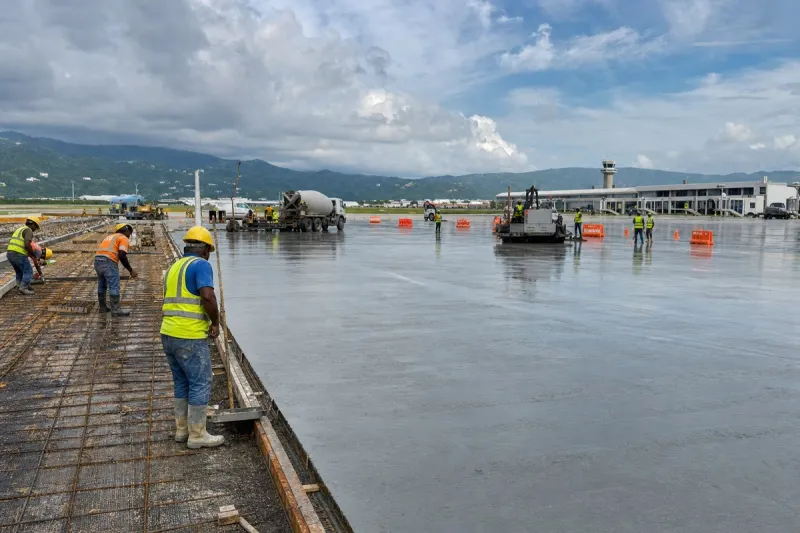
The long-running focus on airport efficiency — runway capacity, arrival sequencing, airspace modernization — is giving way to a new priority as the fastest-growing airports approach the physical limits of their runways: the ground operations that take place in the small apron area between one flight and the next. Every minute a narrow-body aircraft spends on the apron costs roughly $300 to $400, combining aircraft capital cost, crew and lost flying opportunity; direct operating costs alone run $85 to $140 per minute, with a network multiplier effect documented by the University of Westminster for EUROCONTROL and by an FAA study that put the total annual cost of delay in the United States at $8.3 billion to airlines, $16.7 billion to passengers and $3.9 billion in lost travel demand, near $29 billion a year overall.
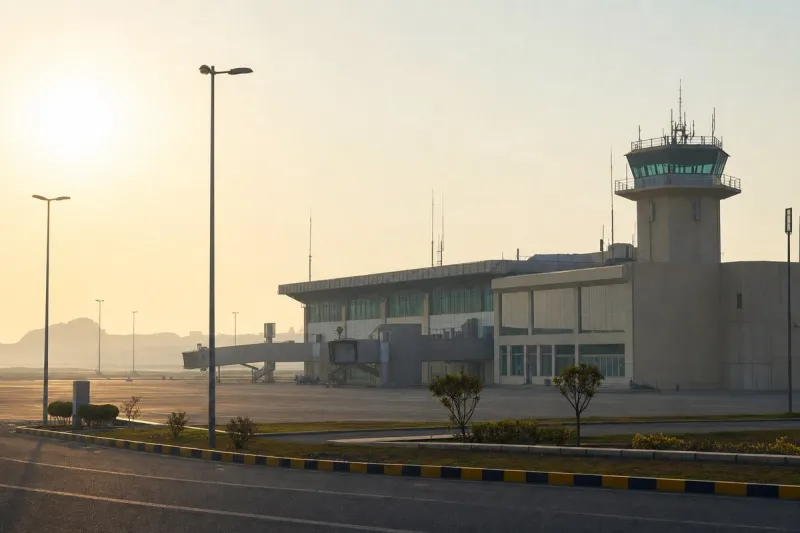
Mexican airport operator OMA reported in 2026 that Monterrey International Airport handles more than 130,000 aircraft operations and 16 million passengers a year, and that capturing one minute of efficiency on a quarter of those operations through low-cost process measures alone could be worth $9.75 million to $13 million annually. ICAO estimates surface operations at airports generate about 5 million metric tons of CO2 a year, with close to 30% coming from avoidable taxiing holds, while up to 37% of taxi time worldwide is still flown with one engine shut down and fuel now makes up 25% to 30% of an airline's operating costs.
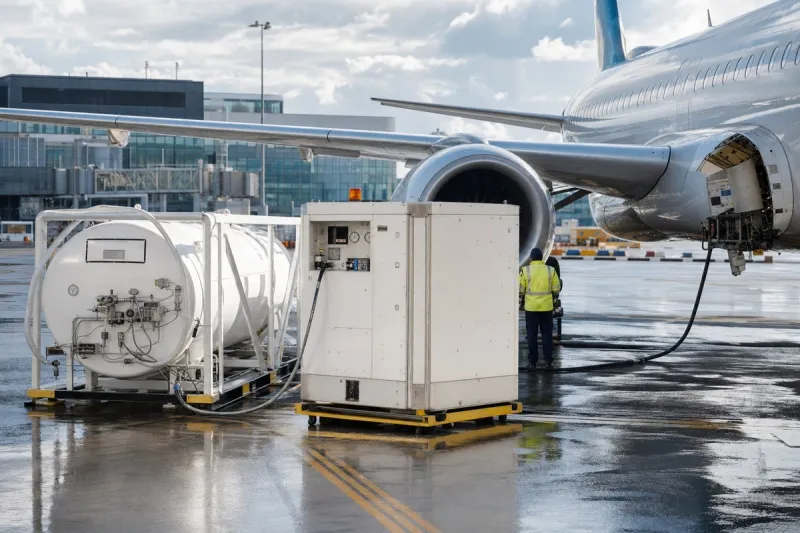
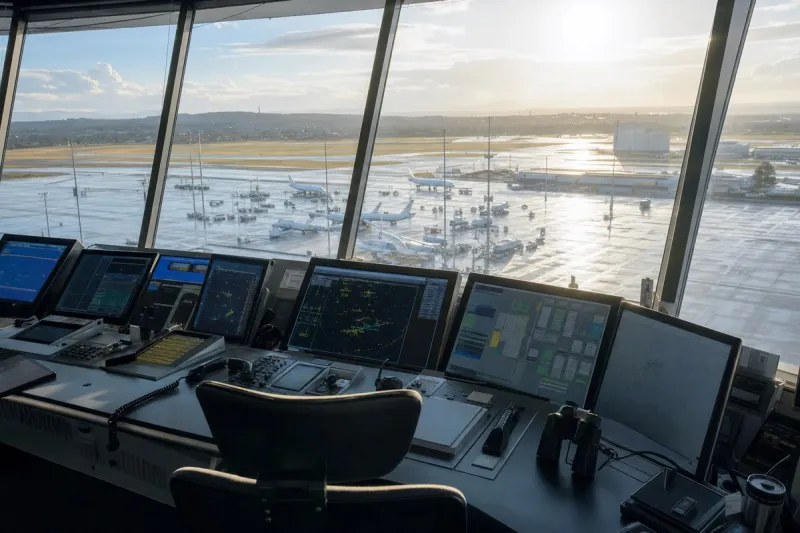
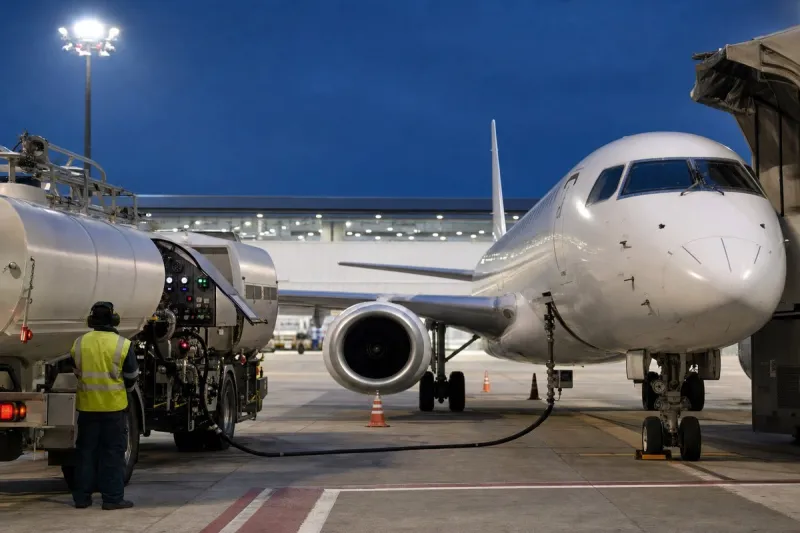
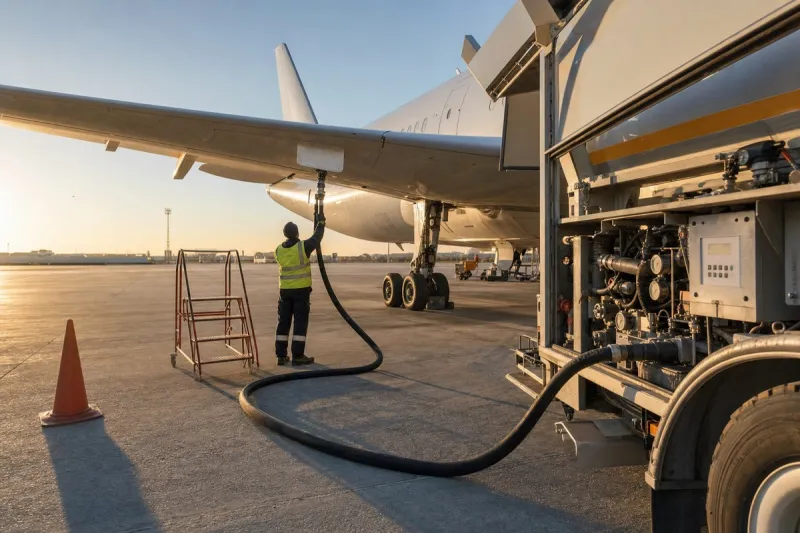
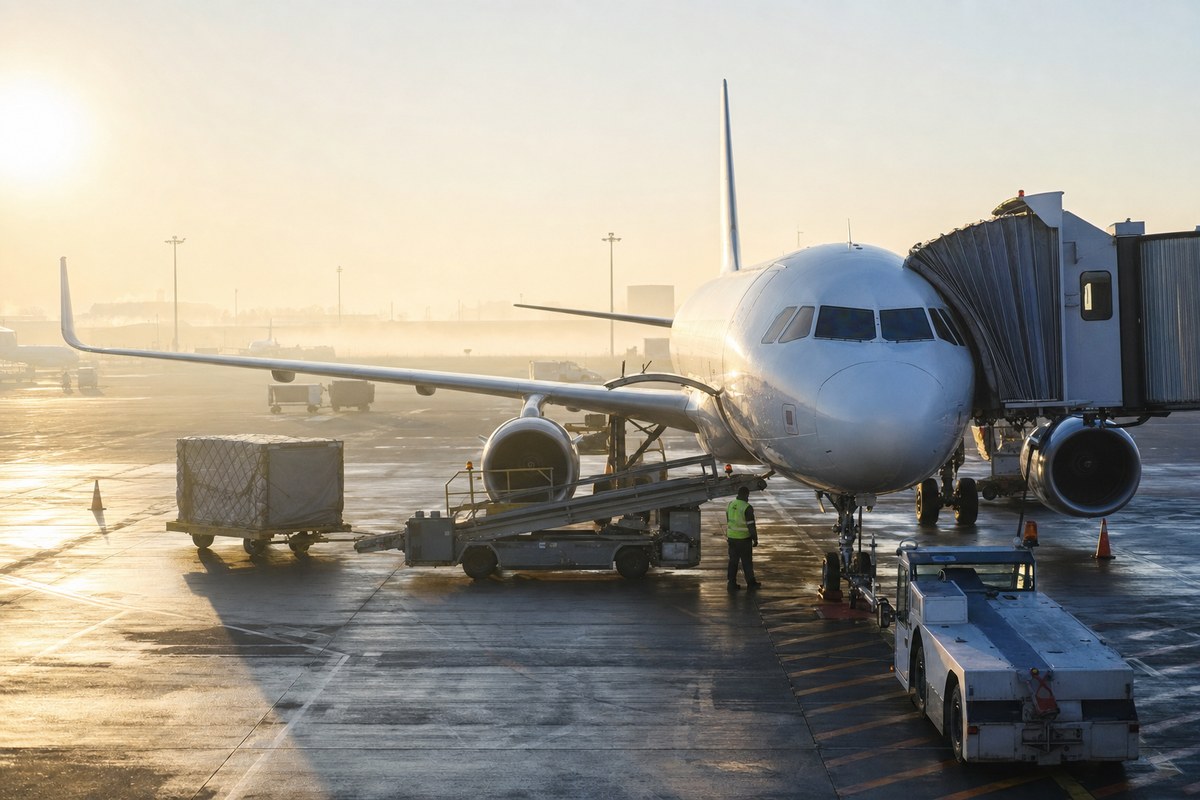
The 30-to-40-minute turnaround window for a narrow-body involves interdependent tasks — baggage handling, fueling, catering, cleaning and line maintenance — where a five-minute slip in one link can desynchronize the entire chain and cascade to later flights. In the United States, the FAA has increasingly required that apron control be separated from air traffic control tower functions at the highest-volume airports, with dedicated ramp towers already running at several major facilities, echoing the choice between a Remote Surface Control model and an Apron Management Service under ICAO Doc 9137 that many mid-size growing airports now face.
Airport Collaborative Decision Making is now fully implemented at Europe's main hubs and at more than twenty airports in China, synchronizing tower, apron, airlines and ground handlers around shared reference times including TOBT, TSAT and TTOT, while AI and computer-vision systems are advancing turnaround monitoring by detecting milestones such as stair arrival, fueling and cargo hold closure. Singapore's Changi Airport estimates AI-based turnaround optimization could enable up to 12 additional daily turnarounds once fully deployed, Seattle-Tacoma International Airport has cut CO2 emissions by 1.5 million kilograms a year through smart ground power monitoring, and IoT sensors on jet bridges and ramp equipment are delivering equipment downtime reductions of up to 33% at the most advanced facilities.