Report: Private Jets Used by 0.003% of Americans Account for 16% of FAA Flight Operations While Contributing Less Than 0.6% of Aviation Trust Fund Revenue
Why It MattersThe findings support proposed tax and infrastructure-funding reforms that would raise operating costs and reduce public subsidy for private aviation.
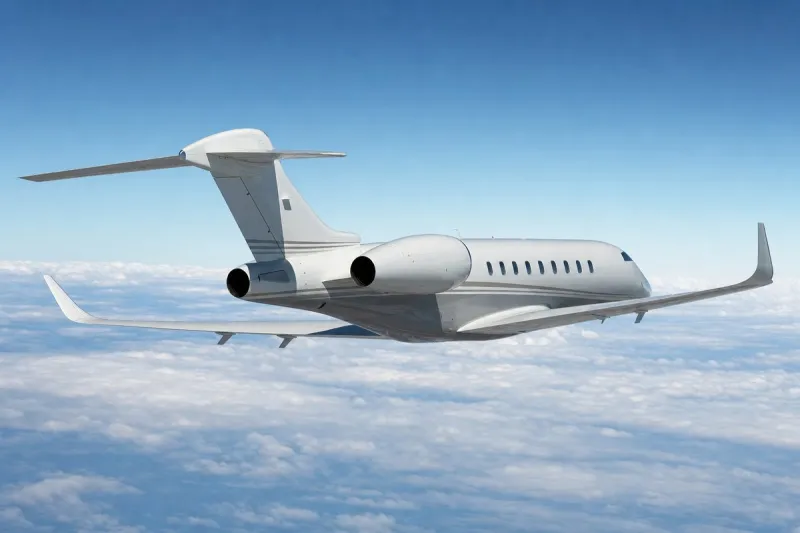
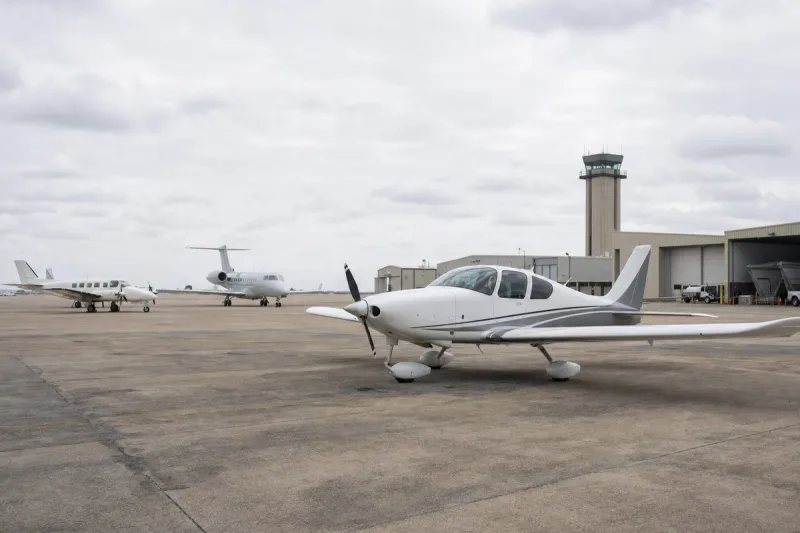
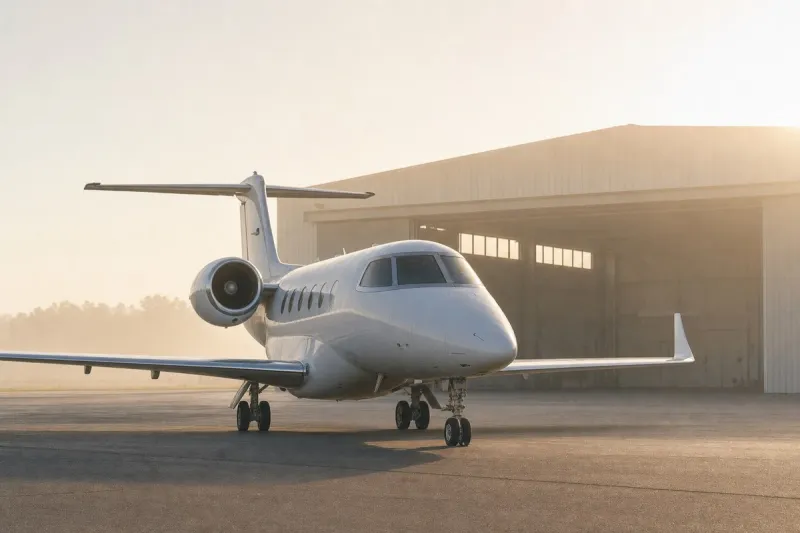
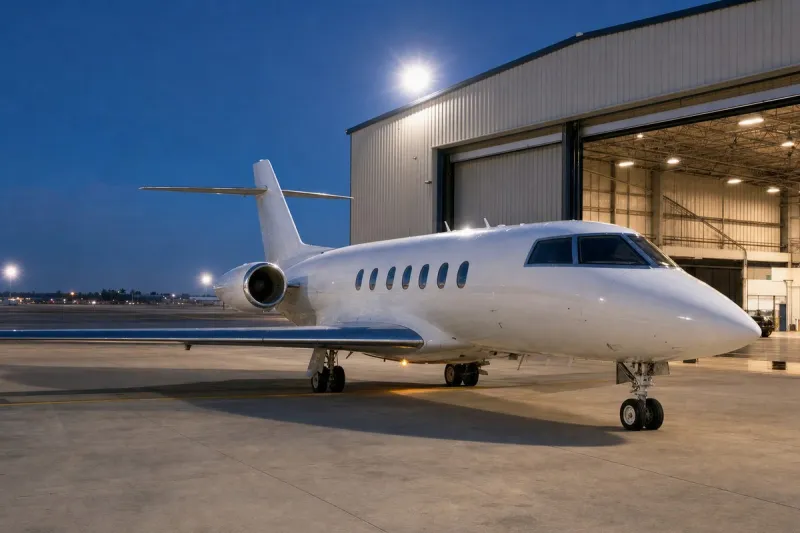
Roughly 256,000 Americans, just 0.003 percent of the population, fly on private jets, yet private jets and charter services make up about 16 percent of FAA-handled flight operations and an estimated 7 percent of airspace activity, the U.S. Department of Transportation has found. These flights contribute less than 0.6 percent of the taxes that flow into the Airport and Airway Trust Fund, which finances FAA operations.
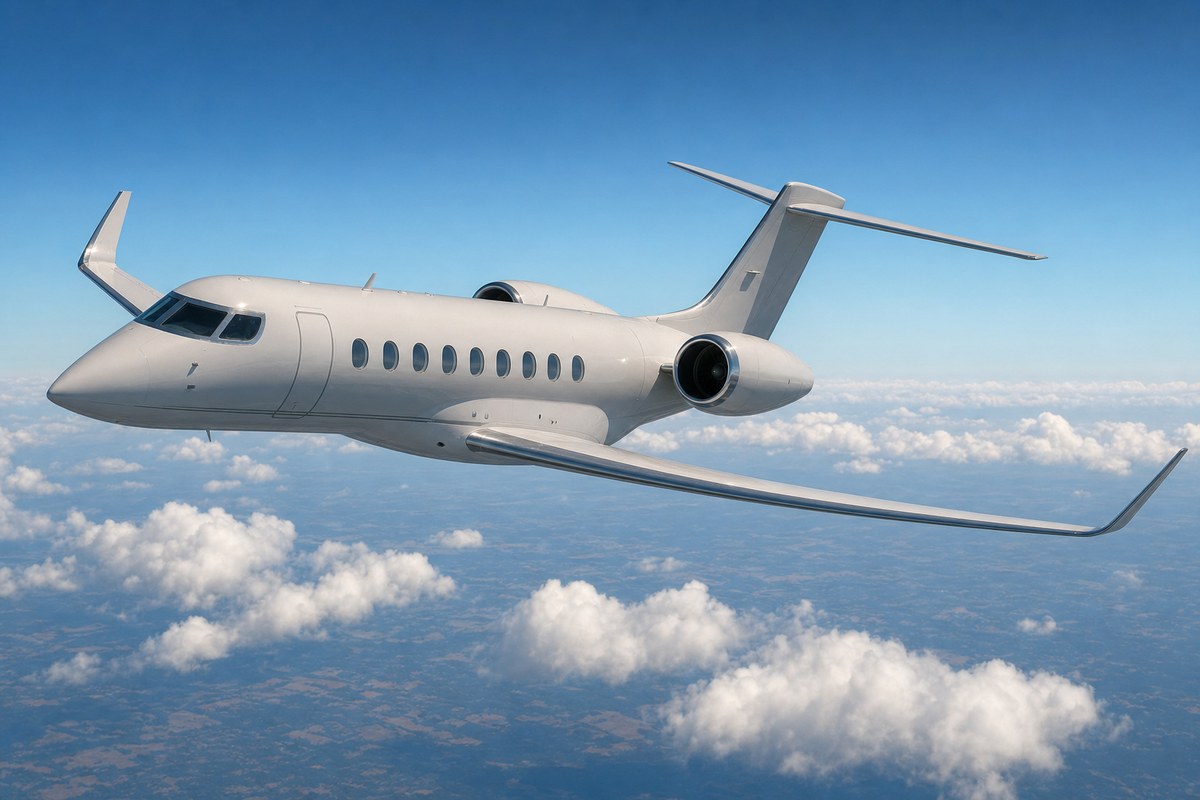
The median wealth of a private jet owner stands at $190 million, and $140 million for a fractional jet owner. Fractional jet ownership rose 65 percent between 2019 and 2025. The United States holds nearly 69 percent of the world's registered private jets while accounting for only 4 percent of the global population, and private jet operations in Florida and Texas alone exceed those of all 27 European Union member states combined.
On emissions, a private jet passenger generates 10 to 14 times the emissions of a commercial airline passenger and roughly 50 times those of a rail passenger on the same route, a gap that can exceed 200 times on low-carbon rail systems. Higher cruising altitudes add to aviation's effective radiative forcing, put at two to four times the climate impact of CO2 emissions alone. The 2026 FIFA World Cup generated more than 92,000 private jet flights and 150 kilotons of excess emissions, equivalent to 34,000 cars driving for a year. At least half of private jet operations are tied to recreational, vacation and personal luxury travel.
More than a third of Airport Infrastructure Grants awarded through 2026, totaling over $1.13 billion, went to projects that may primarily benefit private jets, while the National Business Aviation Association spent about $2 million on lobbying in 2025 focused on tax breaks and secrecy provisions for private jet travel. Proposed measures include repealing accelerated bonus depreciation for private jet purchases, raising private jet fuel taxes ninefold, and imposing a luxury transfer tax of 10 percent on used jets and 5 percent on new jets, projected to have raised more than $3 billion in 2025, alongside halting new private jet infrastructure funding and rolling back secrecy provisions.