India Lacks Engine Registry, Leaving Foreign Lessors Exposed in Repossession Disputes, Law Firm Warns
Why It MattersThe gap shows how legal infrastructure gaps around specific asset classes, even alongside strong airframe protections, can raise jurisdictional risk and feed through into leasing costs.
What happened
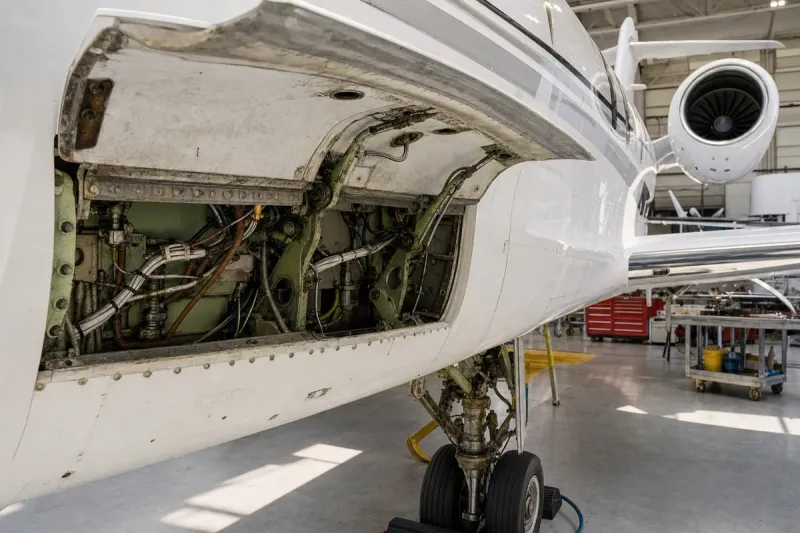
Indian law firm Sarin & Co has identified what it calls a "regulatory vacuum" in India concerning spare engines installed on grounded airframes, warning that the absence of a dedicated engine registry leaves foreign lessors trapped in protracted legal disputes when lessees default. The firm notes that while the Directorate General of Civil Aviation (DGCA) maintains an aircraft registry, it operates no independent registry for engines, meaning neither the DGCA nor customs authorities can compel the physical detachment of spare engines from airframes when a lessee defaults.

The issue came into sharp focus during the bankruptcy of Go First airline, when engines on grounded airframes became difficult for foreign owners to retrieve. By contrast, Sarin & Co points out that aircraft lessors benefit from India's strengthened Cape Town Convention legislation, which triggers a strict five-day deregistration window through an irrevocable deregistration and export request authorization in cases of default. No equivalent mechanism exists for engines.
The law firm compares this to the United States, where engine owners can rely on FAA-recorded conveyancing to assert ownership and pursue repossession under lease agreements, bankruptcy law, and other applicable requirements. Sarin & Co describes an Indian engine registry as the "missing piece" of a national aviation framework that moved closer to completion in 2025 with the enactment of the Protection of Interests in Aircraft Objects Act, though it argues the legislation missed an opportunity to introduce a dedicated domestic engine registry.
Industry impact & what to watch
This case illustrates a gap that can persist even after a jurisdiction strengthens its broader legal framework for aviation assets: a strong Cape Town Convention regime for airframes does not automatically extend the same protections to engines, which are legally and physically separable assets with their own ownership chains. Engine leasing depends on the owner's ability to establish and enforce title quickly when a lessee fails, and where that mechanism is missing, disputes can drag out regardless of how fast an airframe itself can be repossessed.
Sarin & Co warns the gap could translate into materially higher engine leasing costs for Indian airlines, as lessors price in the added jurisdictional risk of pursuing repossession without a recorded conveyancing system comparable to the FAA's. The firm also notes a countervailing incentive: some lessors may in fact prefer the absence of a registry, since it spares them the administrative burden of formally deregistering assets once a lease concludes successfully.
What happens next depends on whether India's policymakers revisit the engine registry question following the Protection of Interests in Aircraft Objects Act, which Sarin & Co says already missed one opportunity to address it. Absent that legislative step, the Go First episode stands as the clearest precedent for how the gap plays out when a lessee actually defaults.