Aviation experts warn Trump's proposed 250-foot arch near Reagan National Airport adds risk to already complex D.C. airspace
Why It MattersThe case shows how any new fixed structure near a capacity-strained, single-runway airport forces regulators to reassess obstruction risk against an already thin margin for pilot and controller error.
What happened
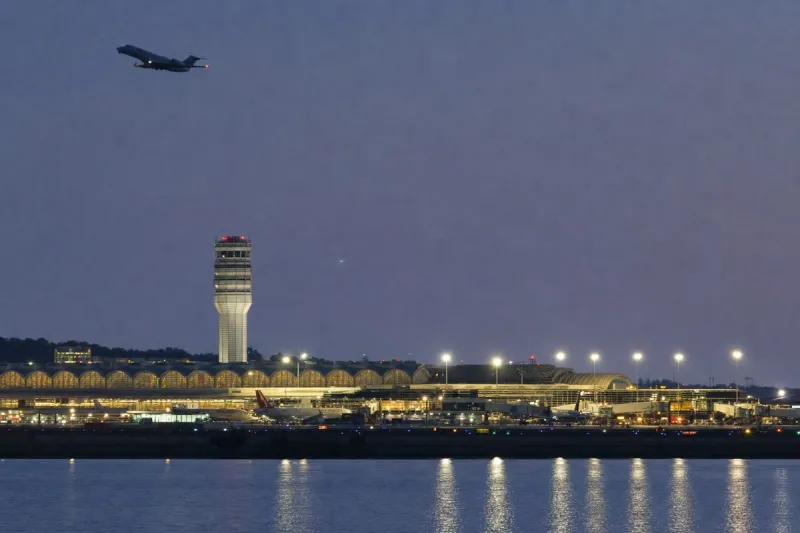
The Trump administration is proceeding with plans for a 250-foot arch at Memorial Circle, a roundabout on the bridge connecting Washington, D.C. to Arlington, Virginia, located roughly two aeronautical miles from the main runway at Ronald Reagan Washington National Airport (DCA). A preliminary FAA report issued in June concluded the arch would likely not be a problem provided it is fitted with blinking red obstruction lights, similar to those on the 555-foot Washington Monument, but the agency is still conducting a more comprehensive study that could classify the arch as a hazard. An FAA spokesperson told NPR in early September that "the standard obstruction evaluation process is under way" for both the arch and construction cranes, which the administration says could reach up to 320 feet tall, with no timeline provided for either review.
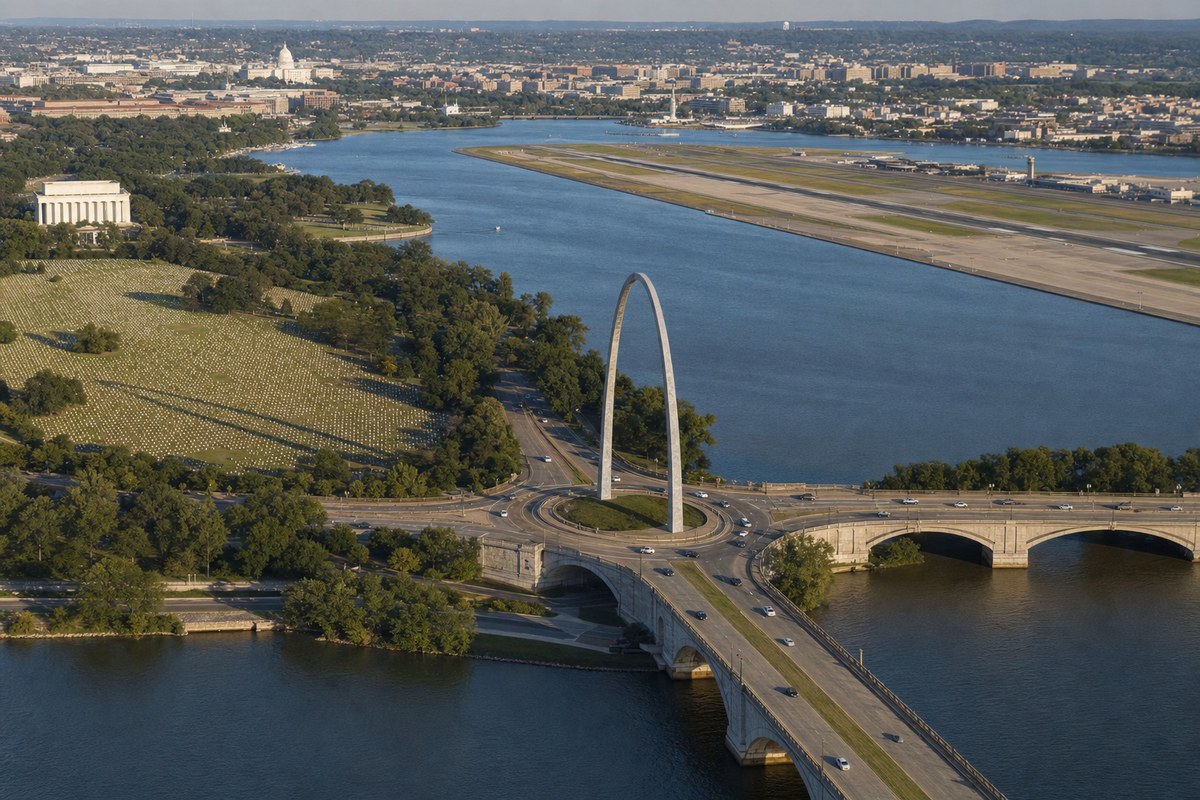
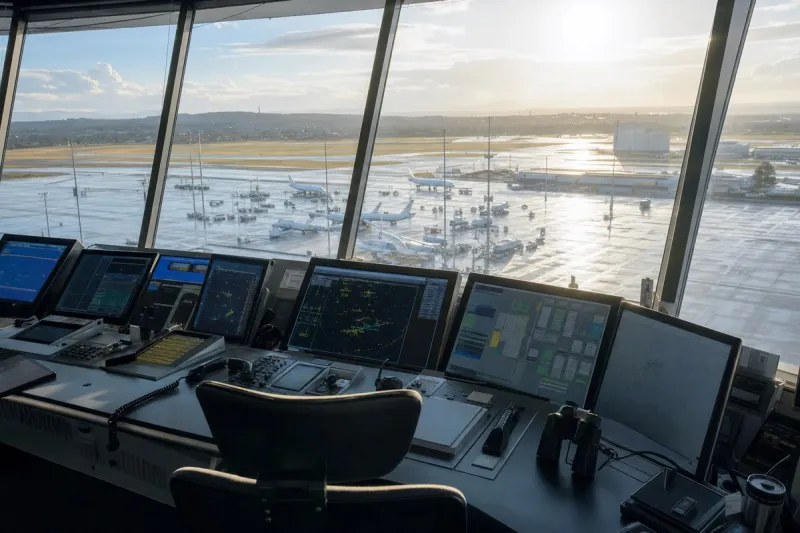
Three aviation safety experts consulted by NPR said the arch would probably not pose a significant risk to most aircraft but adds another variable to the airspace. Jeff Guzzetti, a retired accident investigator with the NTSB and FAA, said DCA is "a small airport with one runway, nestled in a metropolitan area that's surrounded by prohibited airspace." Rep. Don Beyer, a Virginia Democrat whose district includes the area, said aircraft fly over the proposed arch site approximately every 45 to 60 seconds throughout the day until 11 p.m. DCA opened in 1941, was designed to handle roughly 15 million passengers annually, and now serves closer to 25 million. Tom Lintner, a former FAA air traffic controller with 30 years of experience, said some controllers must make radio transmissions every five to seven seconds.
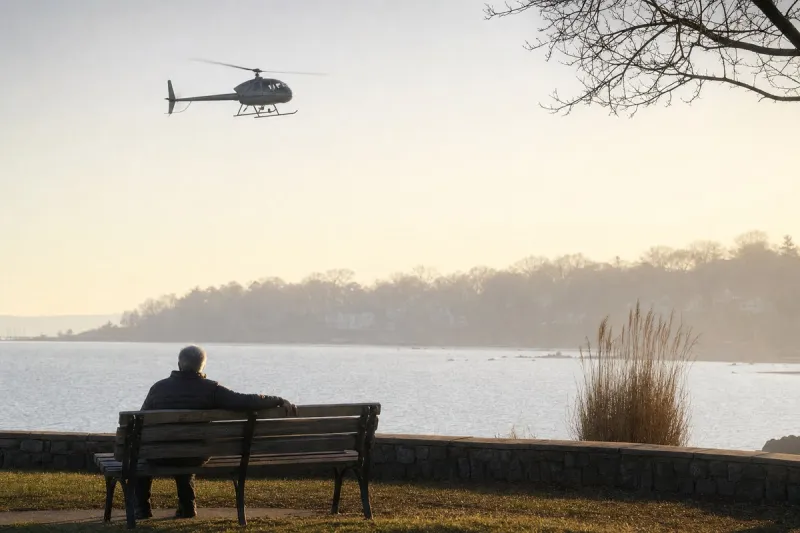
Experts raised particular concern about the Runway 19 "River Visual" approach, which requires pilots to follow the Potomac River and execute a turn of up to 40 degrees at altitudes below 500 feet to avoid restricted airspace near the White House and U.S. Capitol. Guzzetti said the arch site sits roughly two to three football fields to the right of that flight path, with pilots about 60 seconds from touchdown when they pass it. Lintner said he is most concerned about helicopters, which can operate below 500 feet and as low as 200 feet in some zones, potentially below the arch's height. Shawn Pruchnicki, a former airline pilot and aviation safety instructor at Ohio State University who has flown the Runway 19 approach many times, called the proposal "inherently dangerous" and said a plane flying lower than intended in strong easterly winds "could easily get blown into" the arch.
The January 2025 midair collision between an American Airlines regional jet and an Army Black Hawk helicopter near DCA killed 67 people. In early August 2025, a military helicopter carrying President Trump flew too close to a departing passenger jet at DCA; federal investigators found that White House ballroom construction had caused radio interference that prevented air traffic controllers from receiving a warning of the president's takeoff. Two Democratic Virginia senators have introduced legislation that would cap hourly arrivals at DCA and gradually reduce flights over a four-year window beginning in 2028, citing an "overburdened runway" and "unsustainable traffic levels." The administration has said it will begin preliminary excavation at Memorial Circle even though the arch has not yet received approval from the National Capital Planning Commission, and an ongoing lawsuit contends the structure cannot be built without Congressional authorization. The White House told NPR it continues "seeking final approval from all applicable entities."
Industry impact & what to watch
A single-runway airport already operating well above its original design capacity has little spare margin to absorb a new fixed obstacle, however modest its height, once that obstacle sits close to a low-altitude visual approach and a helicopter corridor. Obstruction evaluation at busy urban airports typically weighs a structure's height and lighting against the specific procedures flown nearby rather than against generic clearance standards, which is why experts are focused on the Runway 19 River Visual's 40-degree turn below 500 feet and on helicopter operations that can run as low as 200 feet, not on the arch's height in isolation.
The outcome hinges on the FAA's more comprehensive hazard study, which has no published timeline, and on whether the National Capital Planning Commission grants approval before any excavation proceeds. The pending lawsuit over Congressional authorization, and the Virginia senators' bill to cap and reduce DCA arrivals starting in 2028, are separate tracks that could each affect whether and how the project moves forward regardless of what the FAA concludes.