FCC Grants Temporary Waiver for Nationwide Cellular Network Testing on Drones and Aircraft Through 2029
Why It MattersThe waiver signals a regulatory pathway toward using existing cellular infrastructure for safety-critical drone operations, potentially shaping future spectrum rules for scalable BVLOS flights.
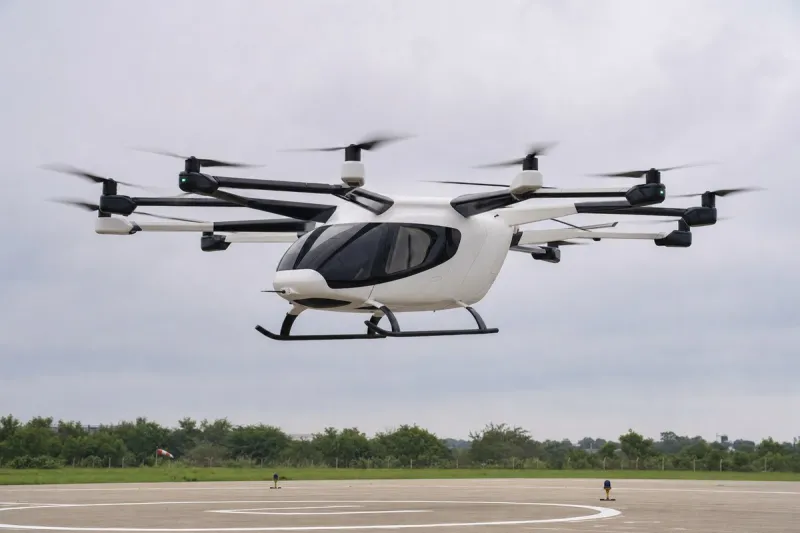
The Federal Communications Commission has issued a temporary waiver enabling nationwide testing of commercial wireless networks aboard drones and general aviation aircraft, removing a regulatory obstacle that previously blocked such airborne use of certain spectrum bands. The program, called MNAAP and overseen by the U.S. Department of Transportation, will measure wireless signal quality at various locations and altitudes across the contiguous United States to determine whether commercial cellular networks can reliably support safety-critical aviation services such as UAS command and control, autonomous detect-and-avoid, electronic conspicuity, Remote ID, and counter-UAS detection and identification.
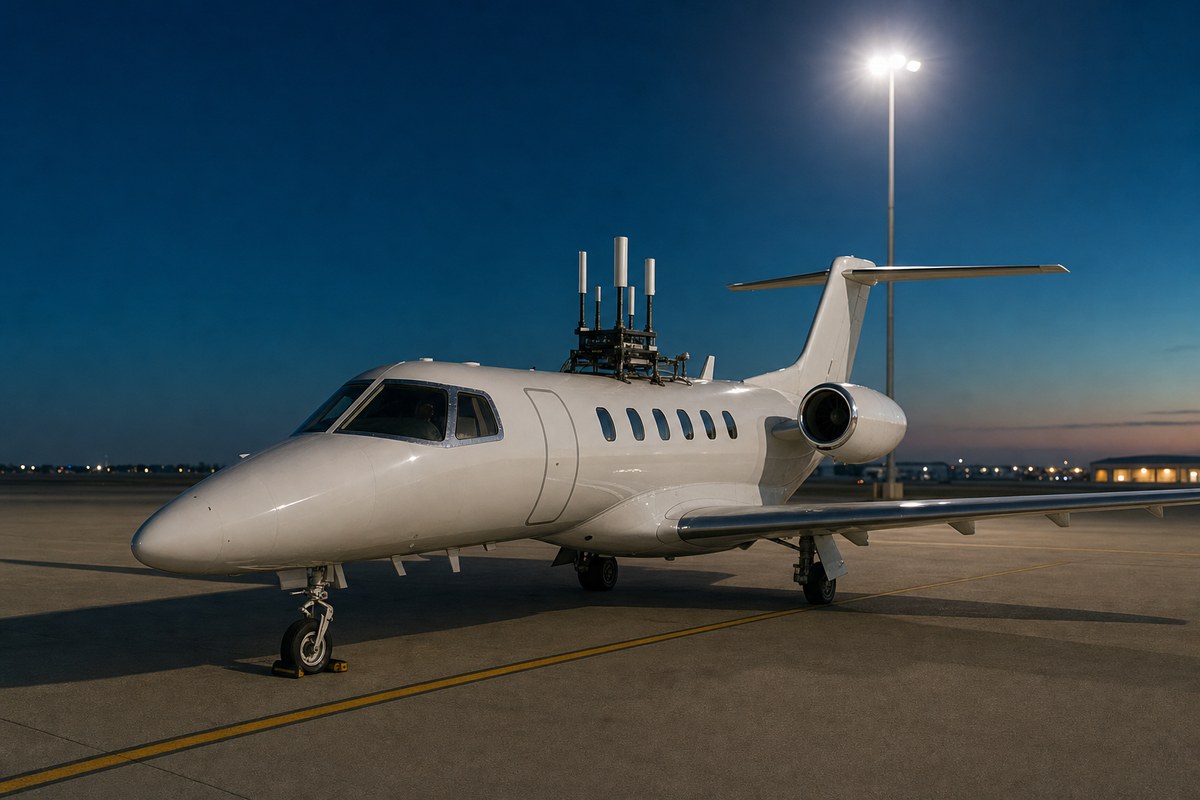
The waiver was necessary because FCC rules permit airborne communications in some commercial spectrum bands but prohibit them in others, and since modern wireless devices automatically select frequencies based on network conditions, pilots and drone operators cannot always control which band is used. The waiver removes that barrier for authorized MNAAP participants and remains in effect through October 1, 2029.
Under the program, DOT may authorize up to 2,000 general aviation pilots at one time to use the MNAAP app on standard smartphones or wireless devices, which measures mobile broadband service and reports results to a centralized DOT database no more than once every two seconds. Up to 200 UAS at one time may also carry dedicated test modules, with coverage spanning spectrum bands including 600 MHz, 700 MHz, FirstNet Band 14, 800 MHz cellular, AWS, PCS, and CBRS. Only DOT-approved participants may use the app or UAS modules, which must complete FCC equipment authorization and mobile-provider certification, cannot be transferred, and must be decommissioned when the waiver expires.
The FCC stated the waiver does not authorize general airborne cellular use, nor does it establish that cellular networks already meet aviation safety requirements, and said it intends to use lessons from MNAAP as it considers broader commercial spectrum use for UAS, particularly for scalable beyond visual line of sight operations.