Mankato Regional Airport Receives $11.5M FAA Grant for First-Ever Air Traffic Control Tower
Why It MattersContract towers, which already make up roughly half of U.S. facilities, are becoming the default path for busier general-aviation airports to add controlled airspace without the cost of a federally staffed tower.
What happened
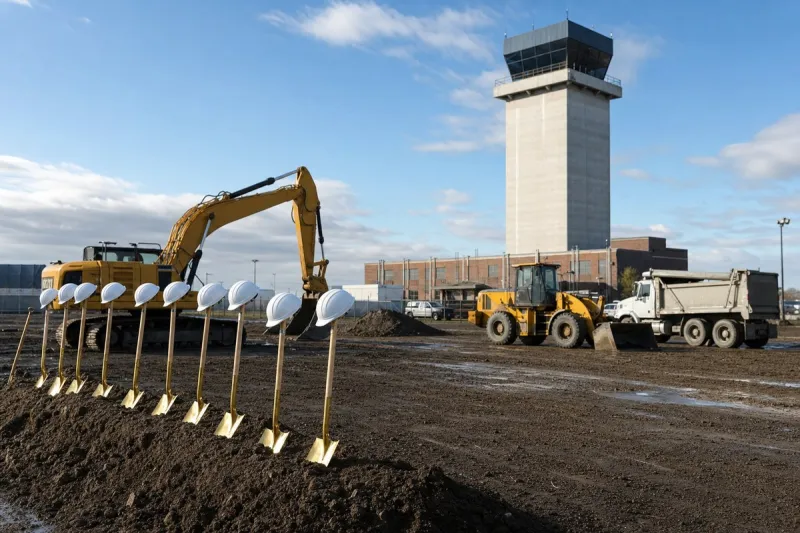
Mankato Regional Airport in Minnesota has been awarded an $11.5 million federal grant to fund construction of its first air traffic control tower, the U.S. Department of Transportation announced Monday as part of a $1.1 billion nationwide airport improvement package. Approximately $10 million of the grant will go toward building the tower, with the remaining $1.5 million earmarked for taxiway improvements.
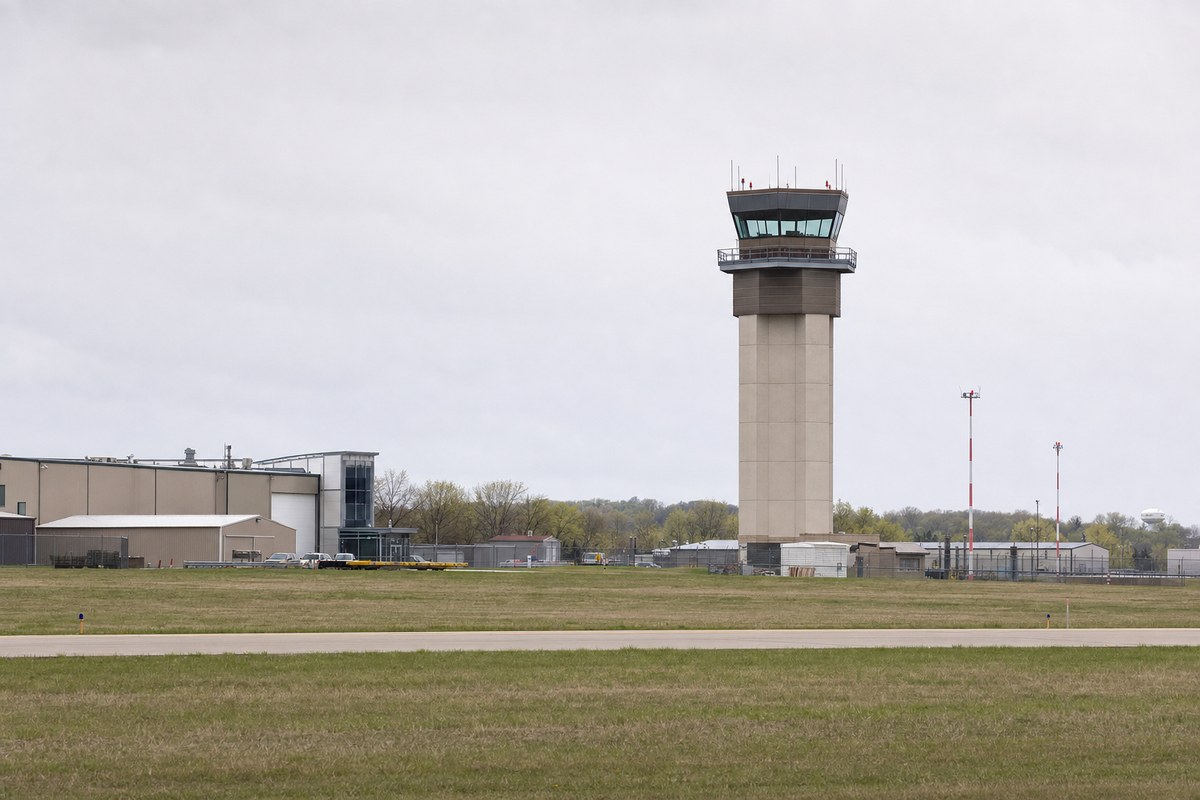
The total project cost is estimated at $31.6 million. The city hopes to break ground next spring, with completion targeted for spring 2029. Mankato has so far secured $29.6 million in grants, including this latest award, leaving a funding gap of approximately $2.1 million; city officials said they will continue pursuing additional funding through the FAA's other grant programs.
Mankato Regional Airport currently operates without an air traffic control tower. Mankato City Manager Susan Arntz described it as the busiest airport in Minnesota without such a facility, noting that pilots currently rely on flight plans and radio communications to maintain safety. The planned tower will be a contract tower, operated by a private company, consistent with FAA practice at smaller, lower-activity airports; contract towers account for roughly 265 of the 520 control towers nationwide.
The airport has about 105 based aircraft, including single- and multi-engine planes, jets, and helicopters, and handles around 126,000 operations annually. It serves as the primary aviation training base for Minnesota State University, Mankato, which has more than 700 students enrolled in its aeronautics program. Arntz said the airport generates an estimated economic impact of $23.8 million to the Mankato community and supports approximately 214 regional jobs.
Other Minnesota airports receiving grants in the same DOT announcement include Wheaton Municipal Airport ($3.2 million for runway reconstruction), Warroad International Memorial Airport (more than $5 million for taxiway reconstruction), Hibbing's Range Regional Airport ($3.5 million for wildlife perimeter fencing), and Minneapolis-St. Paul International Airport ($5 million for taxiway and runway lighting reconstruction).
Industry impact & what to watch
This grant illustrates how the FAA funds tower infrastructure at general-aviation airports that have outgrown uncontrolled operations but don't carry the traffic to justify a federally staffed facility. The contract tower model, already covering roughly half of the nation's control towers, lets airports like Mankato add controlled airspace through a private operator rather than through direct FAA staffing, keeping the federal cost per facility lower while still meeting safety needs tied to based-aircraft counts and annual operations.
The funding structure also shows how these projects get built in pieces: Mankato's $31.6 million tower depends on stacking multiple federal awards over time, and the city still has roughly $2.1 million to secure before groundwork can proceed as planned. The presence of a university flight-training program adds another factor that can push a general-aviation airport toward tower status, since training traffic adds operational density beyond what based-aircraft numbers alone suggest.
What happens next will hinge on whether Mankato closes its remaining funding gap in time to break ground next spring, and whether the FAA's other grant programs come through as city officials expect.