FAA and EASA Certify CFM LEAP-1B High-Pressure Turbine Durability Kit Targeting Doubled Time on Wing
Why It MattersThe staggered rollout across LEAP-1A and LEAP-1B shows engine makers now treat severe-environment durability as a distinct upgrade cycle, sold and industrialized separately from baseline certification.
What happened
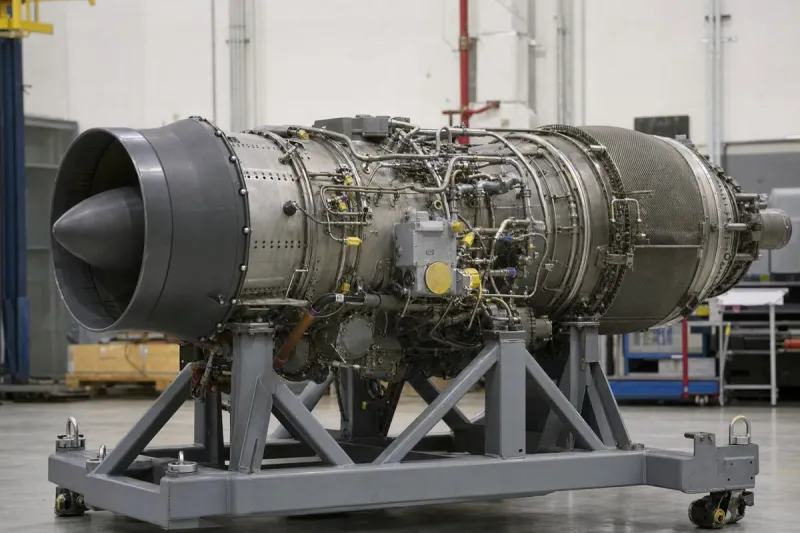
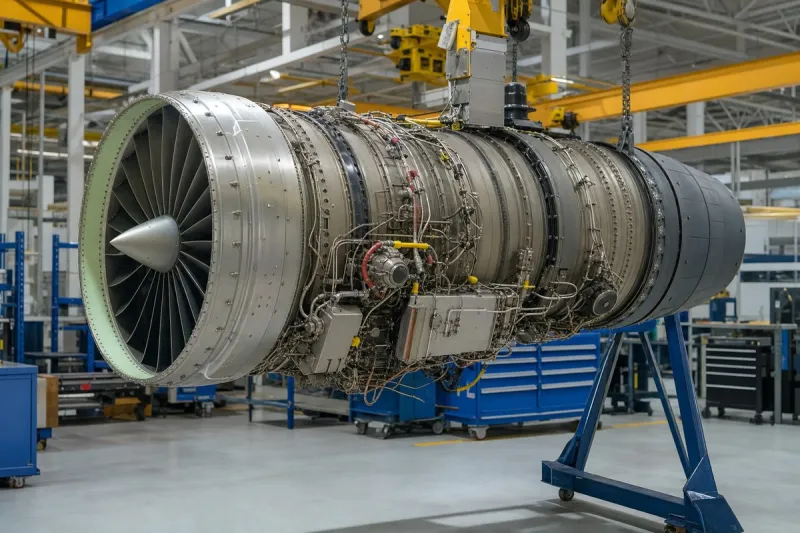
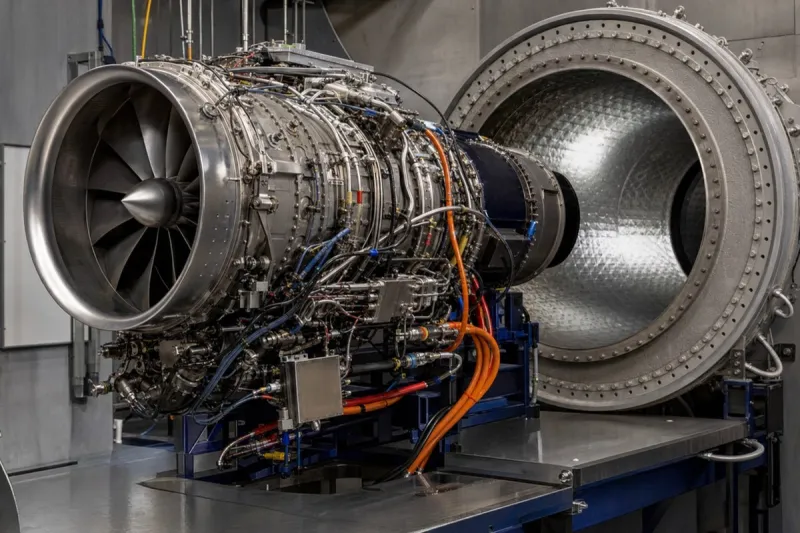
The FAA and EASA have certified a new high-pressure turbine (HPT) durability kit for CFM International's LEAP-1B engine, aimed at addressing durability problems caused by hot and dusty operating conditions such as those found in the Middle East and India. The kit targets a doubling of time on wing specifically in severe environments, including the Middle East and China.
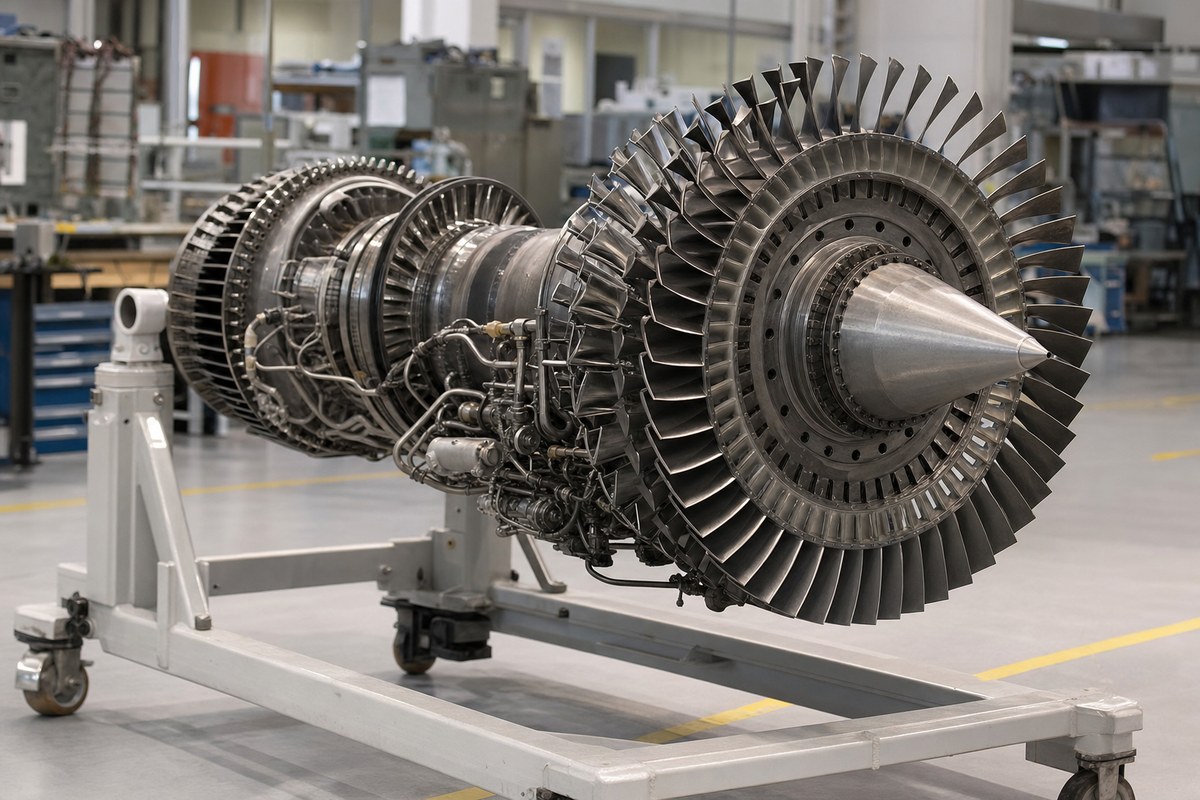
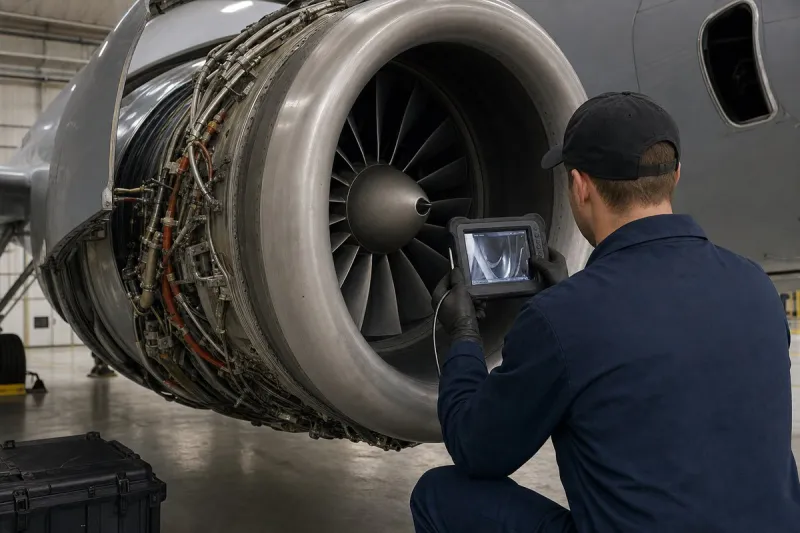
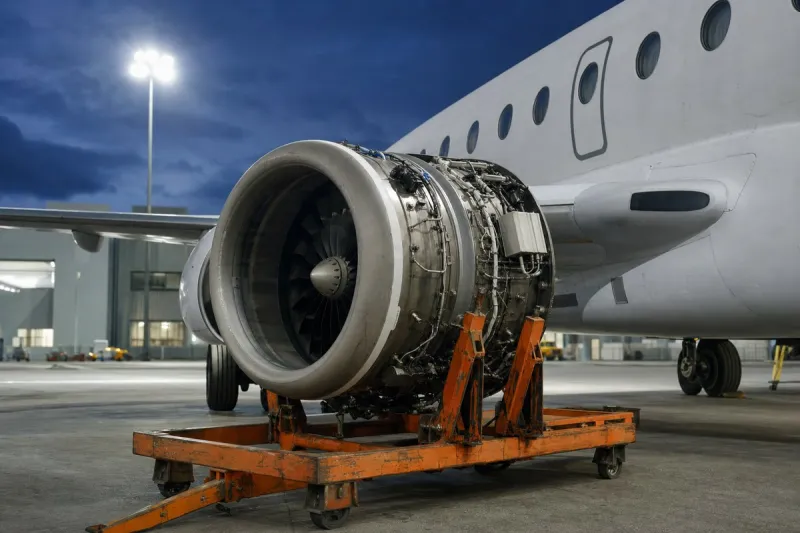
The kit's performance was validated through more than 17,000 dust ingestion testing cycles, using a proprietary dust ingestion system developed with a team of geologists in 2024 to replicate blade wear experienced by operators. It reworks three components: the HPT stage 1 blade, the HPT stage 1 nozzle, and the forward inner nozzle support, to improve resistance to dust and heat.
The same technology was introduced on the LEAP-1A variant in December 2024, and as of this July, CFM International had reached 40% fleet incorporation on that engine. Although the LEAP-1B kit is now certified, full production cutover is not expected until early 2027 as CFM begins industrializing production.
CFM is also developing a reverse bleed system (RBS) for the LEAP-1B, a cooling technology already deployed on the LEAP-1A. The RBS addresses coking, a buildup of hard, coal-like residue caused by unpurged fuel during engine shutdown, by drawing air into the engine core for up to 60 minutes after shutdown to reduce internal temperature and coking accumulation. Coking has been linked to increased fuel pressure, hot streaks at both high and low power settings, and degraded takeoff performance. "These systems will increase time between shop visits while also reducing maintenance burden, especially for customers in severe environments," said Gaël Méheust, president and CEO of CFM International.
The LEAP-1B powers the Boeing 737 MAX, while the LEAP-1A powers the Airbus A320neo family. Across the broader LEAP family, CFM reports a 99.95% daily dispatch reliability rate over more than 100 million flight hours across more than 10,000 engines. The company delivered over 1,800 engines in 2025 and plans to reach a production rate of 2,600 engines per year by 2028.
Industry impact & what to watch
This case illustrates how engine makers now handle geography-specific wear as its own engineering and certification track, separate from the baseline engine program. Dust and heat in operating regions like the Middle East and India degrade turbine components faster than in temperate climates, and CFM's response was to build a dedicated testing regime, its dust ingestion system with geologist input, rather than treat it as a routine service bulletin.
In engine MRO economics, time on wing drives shop visit intervals, spare engine requirements, and lease residual values, so a kit that doubles time on wing in severe environments changes the maintenance math for operators concentrated in those regions well before it changes anything for operators elsewhere. The staggered timeline matters here: the LEAP-1A kit has taken from December 2024 to 40% fleet incorporation by this July, and the LEAP-1B kit, though certified now, will not see full production cutover until early 2027. That gap between certification and industrialization is where operators actually plan retrofits.
The reverse bleed system adds a second, parallel durability lever aimed at coking rather than dust, and its LEAP-1B development timeline was not given, so it sits behind the HPT kit in maturity. Watch for CFM's fleet incorporation figures on the LEAP-1B kit once production ramps in 2027, and for how Boeing 737 MAX operators in hot, dusty regions sequence their retrofit schedules against the delivered engine count and the 2028 production-rate target.