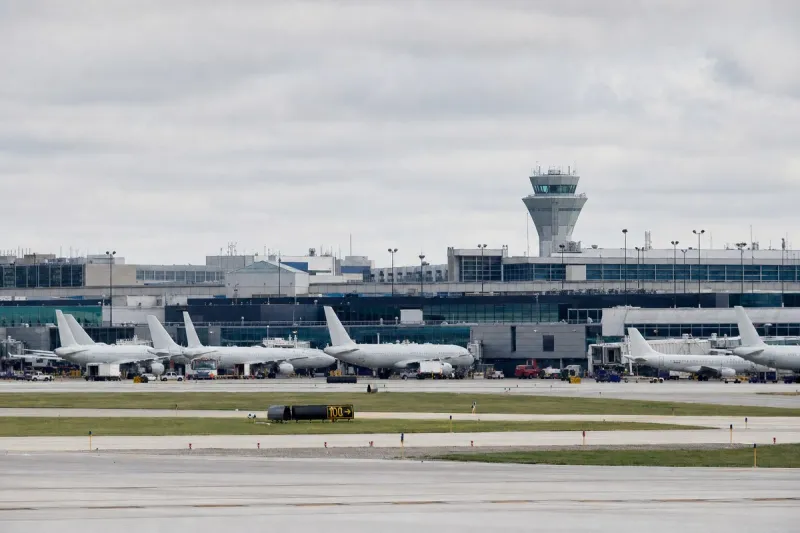
Pakistan to Launch PPP Tender for Islamabad International Airport Concession
Why It MattersAirport PPP concessions increasingly separate sovereign functions like air navigation from commercial operation, letting concessionaires monetise passenger, cargo and retail revenue while the state retains asset ownership.
What happened
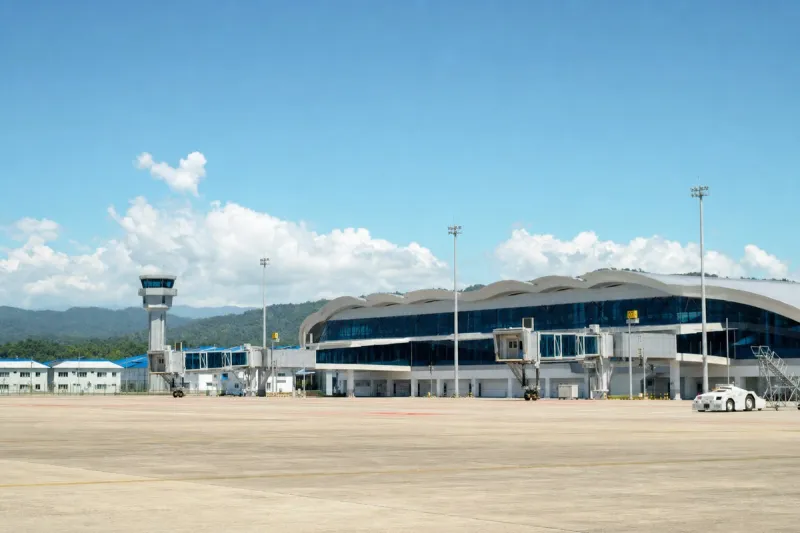
Pakistan Airports Authority (PAA) and its adviser, the Asian Development Bank, are preparing to launch a tender for the privatisation of Islamabad International Airport (IIA) under a public-private partnership framework. The selected concessionaire will operate and maintain the airport and monetise its terminal and commercial activities under a concession of at least 15 years.
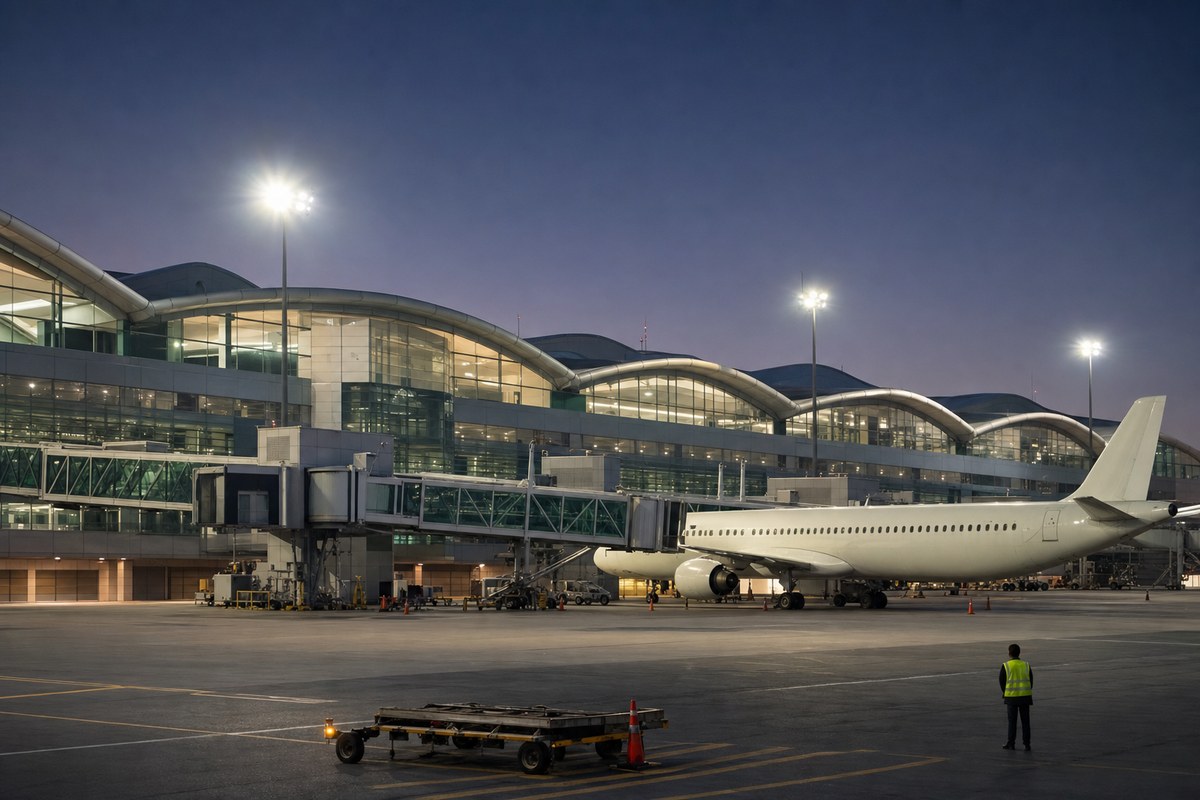
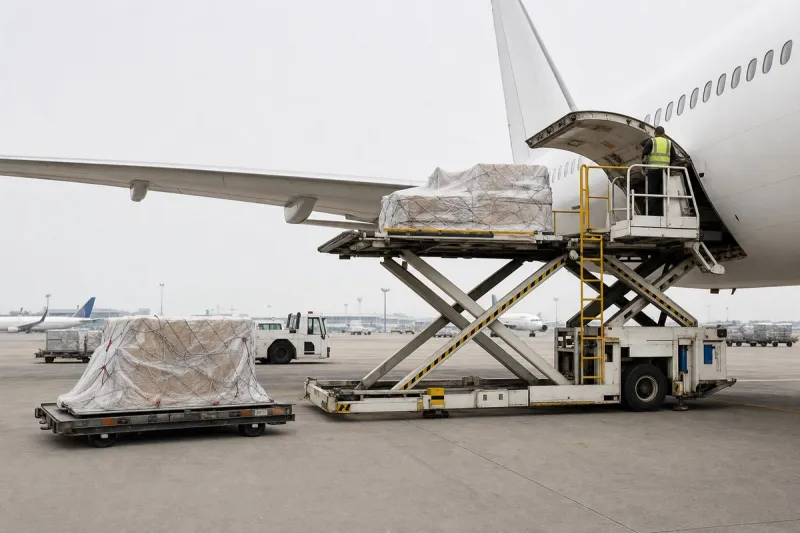
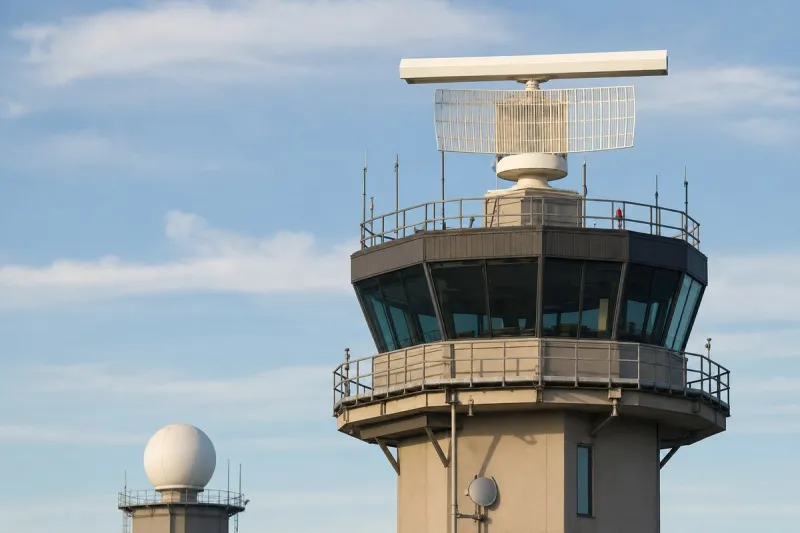
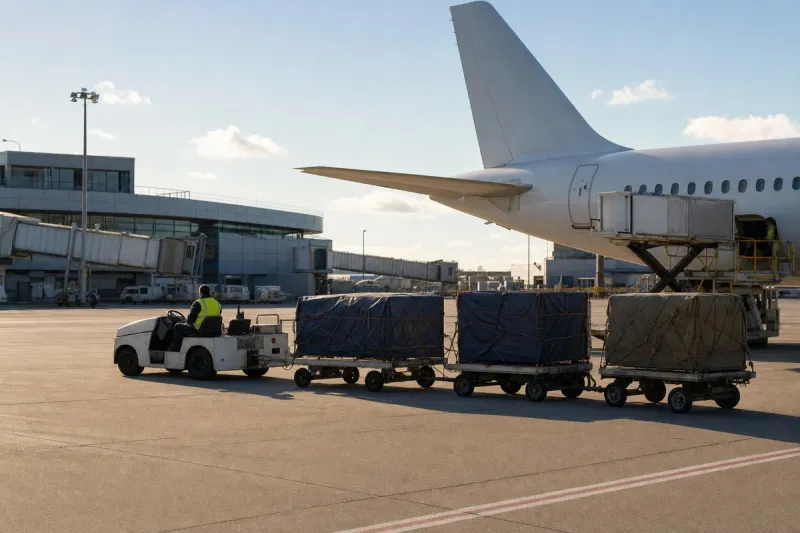
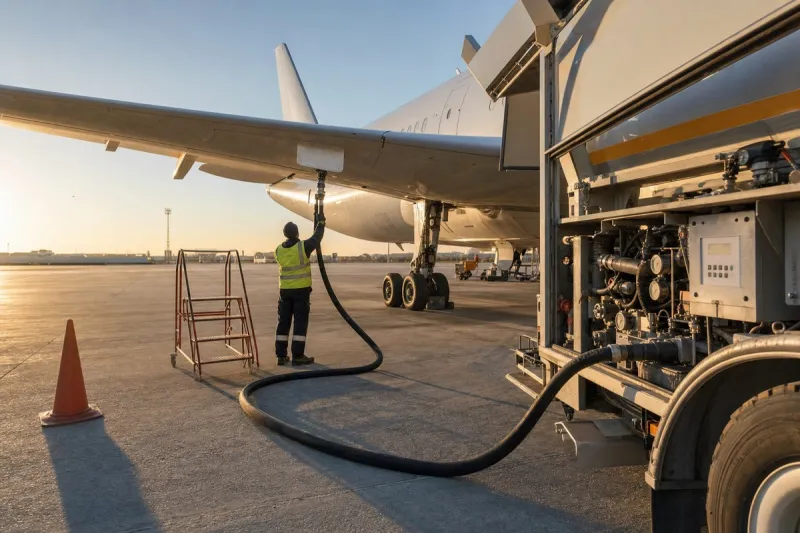
PAA will remain the asset owner and grantor of the project and will continue to handle sovereign functions, including air navigation. The concessionaire's revenues will include passenger service charges, apron charges — covering aircraft parking and fuel fees — commercial revenues from retail, parking and advertising, cargo handling fees, and, if airside operations are included, landing fees.
IIA is designed to accommodate nine million passengers per year. In fiscal year 2025–26, the airport recorded 7.1 million passengers and 39,000 aircraft movements. It currently serves 28 international carriers and five domestic carriers.
The tender is expected to follow a two-stage competitive process. A prequalification stage, through a request for statement of qualifications, is scheduled for the fourth quarter, followed by a request for proposal at the tender stage. Bid submission is planned for the first quarter of the following year, with the winner to be announced in the second quarter and commercial close to follow. Financial close is targeted for the third quarter.
Industry impact & what to watch
This structure follows a familiar airport-concession template: the state keeps ownership and sovereign air navigation functions while transferring commercial and operational risk to a private concessionaire for a multi-year term. Splitting revenue streams this way — passenger charges, apron fees, retail and advertising, cargo handling, and conditionally landing fees — lets bidders price the concession against a defined income base rather than the whole airport enterprise.
The gap between IIA's 7.1 million passengers handled in the last fiscal year and its nine-million capacity gives a concessionaire room to grow throughput before needing new infrastructure spend, which shapes how aggressively bidders can price their offer. The two-stage process — prequalification followed by a request for proposal — is standard for PPP airport deals and is meant to filter for financial and operational capacity before commercial terms are negotiated.
The next markers worth tracking are the fourth-quarter prequalification launch, the first-quarter bid submission, and the second-quarter winner announcement, each of which will show how many qualified concessionaires actually compete and what commercial and financial close terms follow.