Shenandoah University Becomes 13th School—and First in Virginia—to Join FAA's E-CTI Controller Training Program
Why It MattersExpanding collegiate controller-training pipelines signals the FAA's continued push to address a persistent staffing shortfall through direct-to-facility placement rather than only Academy training.
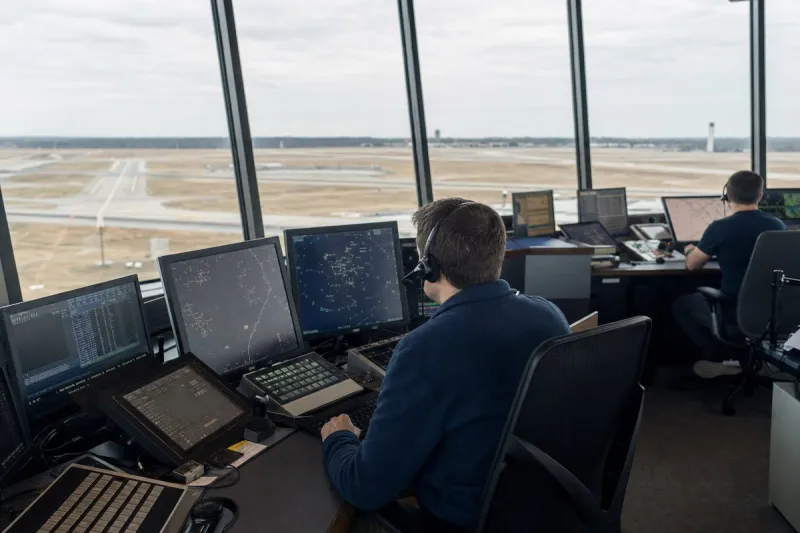
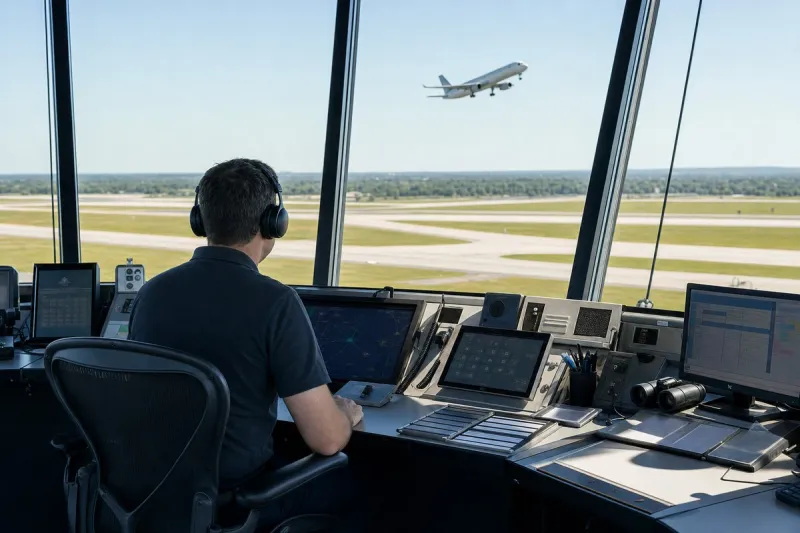
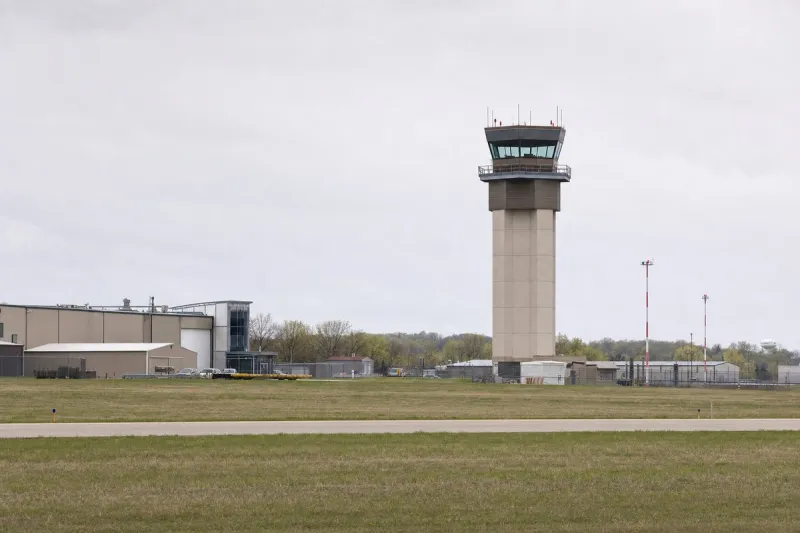
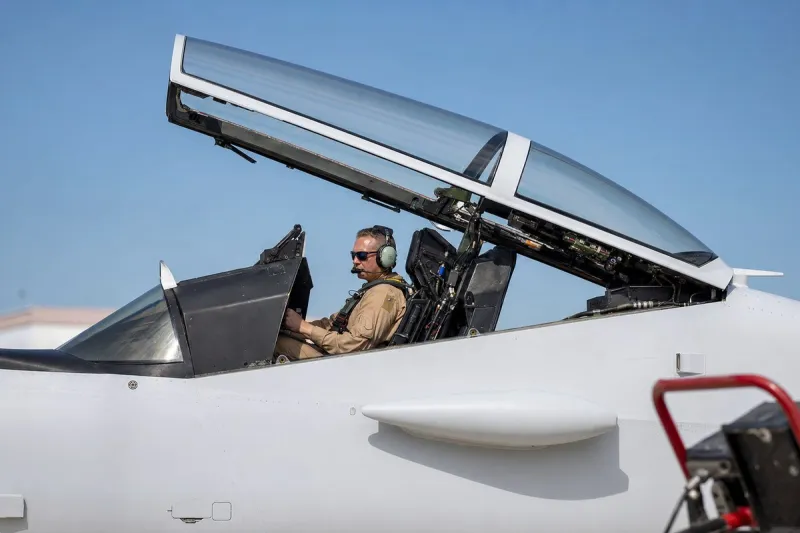
Shenandoah University has become the 13th institution and the first in Virginia to join the FAA's Enhanced Air Traffic-Collegiate Training Initiative (E-CTI), the agency announced Thursday. It is the 10th school to join under the current presidential administration and the fourth of 2026, following Angelo State University in Texas, which joined in May. The E-CTI lets graduates who pass performance and written exams receive an FAA endorsement certificate, placing them directly at an agency facility without attending the FAA Academy in Oklahoma City; Shenandoah's program will supply graduates to control towers, while Angelo State's feeds air route traffic control centers. Students must also pass the Air Traffic Skills Assessment and meet medical and security requirements, and E-CTI schools face more stringent curriculum, faculty and simulation standards than the standard AT-CTI.
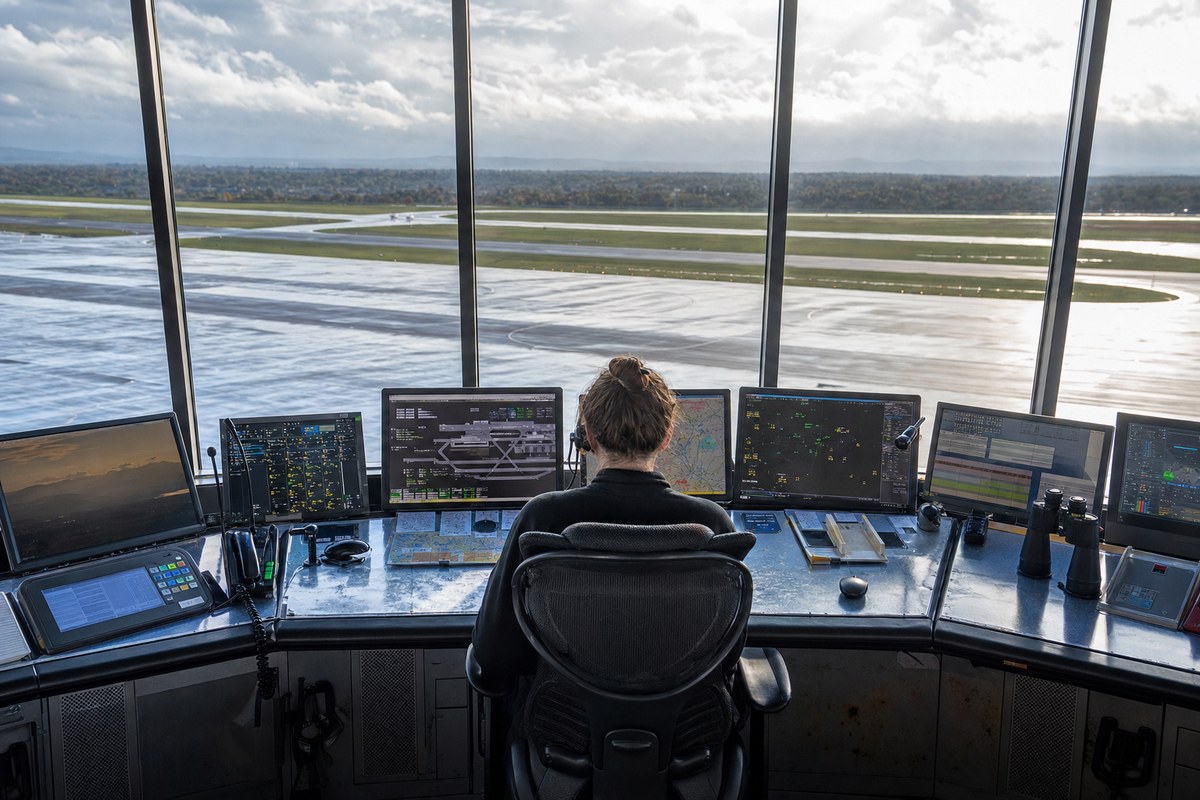
U.S. Transportation Secretary Sean Duffy said the program "will help young Americans build lifelong aviation careers and get us one step closer to solving our controller shortage." At a congressional hearing Tuesday, FAA Administrator Bryan Bedford said approximately 11,000 certified professional controllers are deployed across 313 federal air traffic control facilities, a figure unchanged from April and about 3,500 short of the level called for under the agency's previous staffing blueprint. A revised workforce plan published in May lowered the CPC target to 12,563, narrowing the stated shortfall to roughly 1,500, though the National Air Traffic Controllers Association said it was excluded from that decision.
Bedford also reported roughly 4,000 controllers in the training pipeline, including 900 previously certified controllers completing facility-specific requalification. The FAA met its hiring goal of 2,000 ATC trainees in fiscal year 2025 and 2,200 in fiscal year 2026, and its FY2027 budget request includes approximately $95 million to hire an additional 2,300 trainees. A January GAO report found only about 2 percent of FAA Academy applicants completed full training, attributed to normal attrition and an instructor shortage, and the FAA's May workforce plan noted that most controllers leave before the mandatory retirement age of 56.
Bedford declined Tuesday to commit to granting controllers, managers and supervisors a 3.8 percent pay raise provided for in legislation passed earlier this year. The administration has separately implemented starting salary increases and bonuses for academy graduates, new hires, retirement-age controllers, and those assigned to hard-to-staff facilities such as those in the New York City area.