Jet2 CEO Slams NATS Failure as 'Unacceptable' After 7,200 Passengers Stranded and 2,200 Flights Disrupted
Why It MattersWhen shared air traffic infrastructure fails, the financial and operational burden of recovery falls on individual airlines even as accountability for the system itself remains diffuse across government and industry stakeholders.
What happened
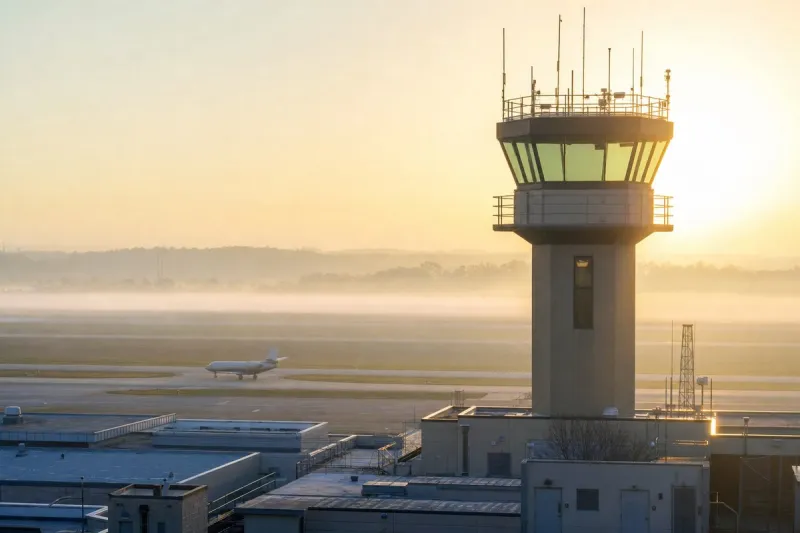
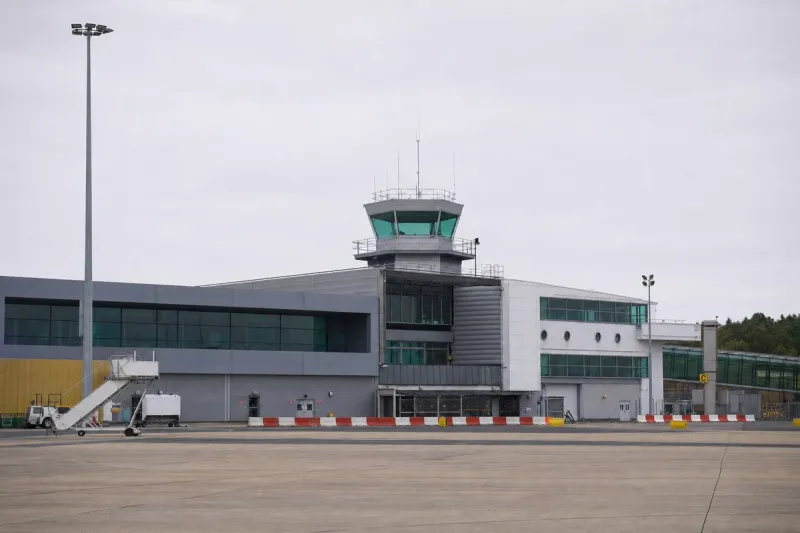
Jet2 chief executive Steve Heapy condemned a major system failure at National Air Traffic Services (NATS) as "completely unacceptable," calling for urgent government intervention after roughly 7,200 holidaymakers were stranded abroad and nearly 2,200 flights were disrupted over two days.

Jet2 launched a rescue operation to repatriate stranded passengers from Greece, Turkey, Spain and Malta, deploying more than a dozen extra flights, spare aircraft and emergency ground transport. Heapy pointed to the UK government's 49 per cent ownership of NATS as a basis for direct responsibility, saying customers and airlines require "proper answers" following the failure. He acknowledged the efforts of Jet2 staff who worked to manage the disruption, while insisting that passengers "should never have been put in this position in the first place." Jet2 confirmed that customers affected by flight cancellations will receive full refunds.
The incident has drawn criticism from across the aviation industry. Rival carriers TUI and EasyJet also called for immediate investment in UK air traffic control infrastructure to prevent further disruptions, and the Civil Aviation Authority (CAA) confirmed it will investigate the failure.
Industry impact & what to watch
A single point of failure in shared air traffic infrastructure can cascade into thousands of stranded passengers and thousands of disrupted flights within days, regardless of how well any individual carrier's own operation is run. Airlines absorb the direct cost of recovery — extra aircraft, ground transport, refunds — while the entity operating the failed system carries no equivalent obligation to travelers.
Part-government ownership of air traffic control, as with NATS, creates a structural tension: airlines can press for accountability through public channels, as Heapy did by invoking the state's ownership stake, but the mechanism for translating that pressure into investment or reform sits outside any single airline's control. Multiple carriers voicing the same demand, as TUI and EasyJet did here, signals that this is viewed as a systemic infrastructure gap rather than an isolated glitch.
The CAA's investigation is the next concrete step that will determine whether findings point to underinvestment, technical fragility, or another cause, and whether that translates into funding commitments or regulatory changes for NATS.