Amazon Prime Air Flight 7598 Runway Overrun Highlights Critical Role of Go-Arounds in Aviation Safety
Why It MattersThe accident renews scrutiny of stabilized-approach discipline and crew resource management across cargo and passenger operations, reinforcing go-around policy as a core runway-excursion defense.
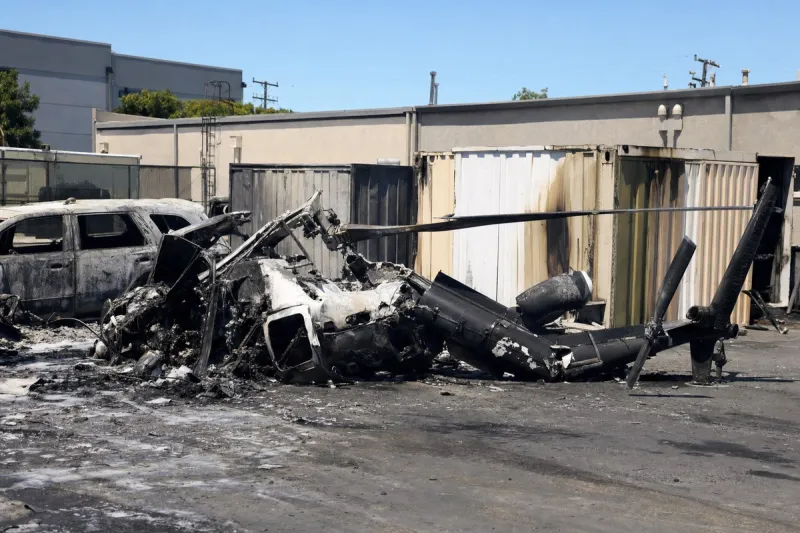
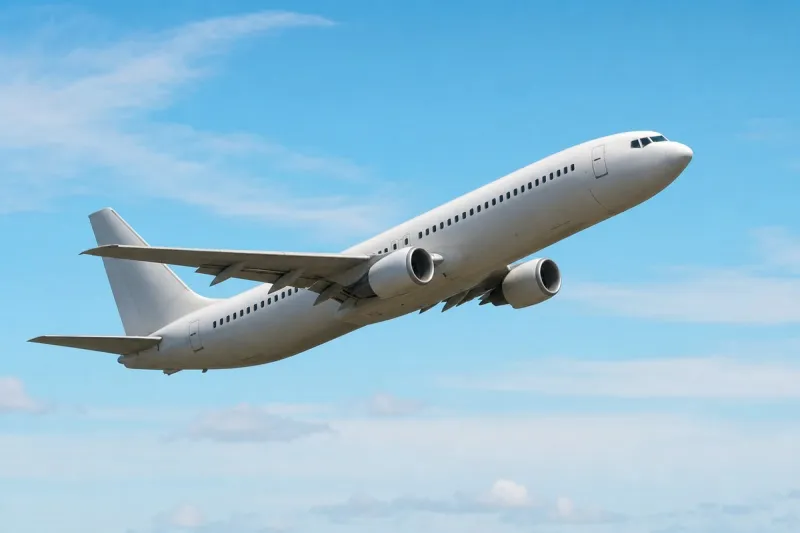
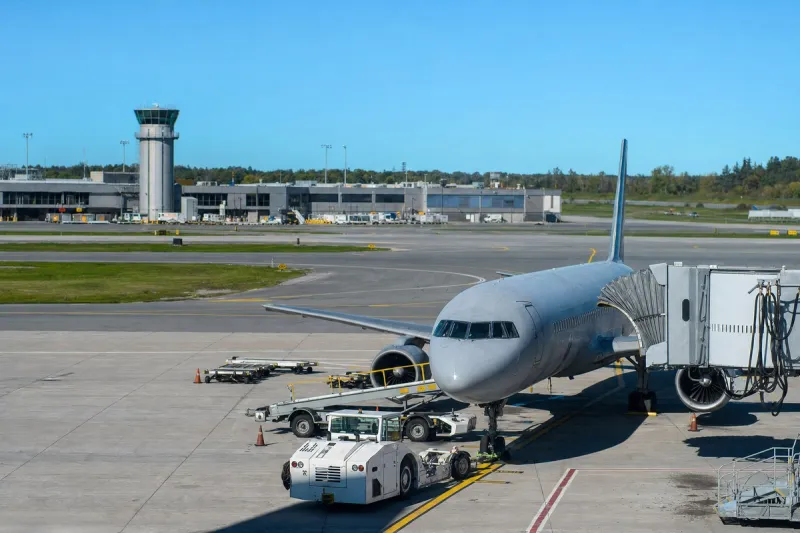
Amazon Prime Air Flight 7598, a Boeing 767 cargo aircraft, overran the end of Runway 30 at Miami International Airport, crossing ground-based navigation aids and two fences before striking a van and an SUV and coming to rest in a parking lot, where it caught fire, causing multiple fatalities and serious injuries. The published available landing distance for Runway 30 is 7,913 feet.
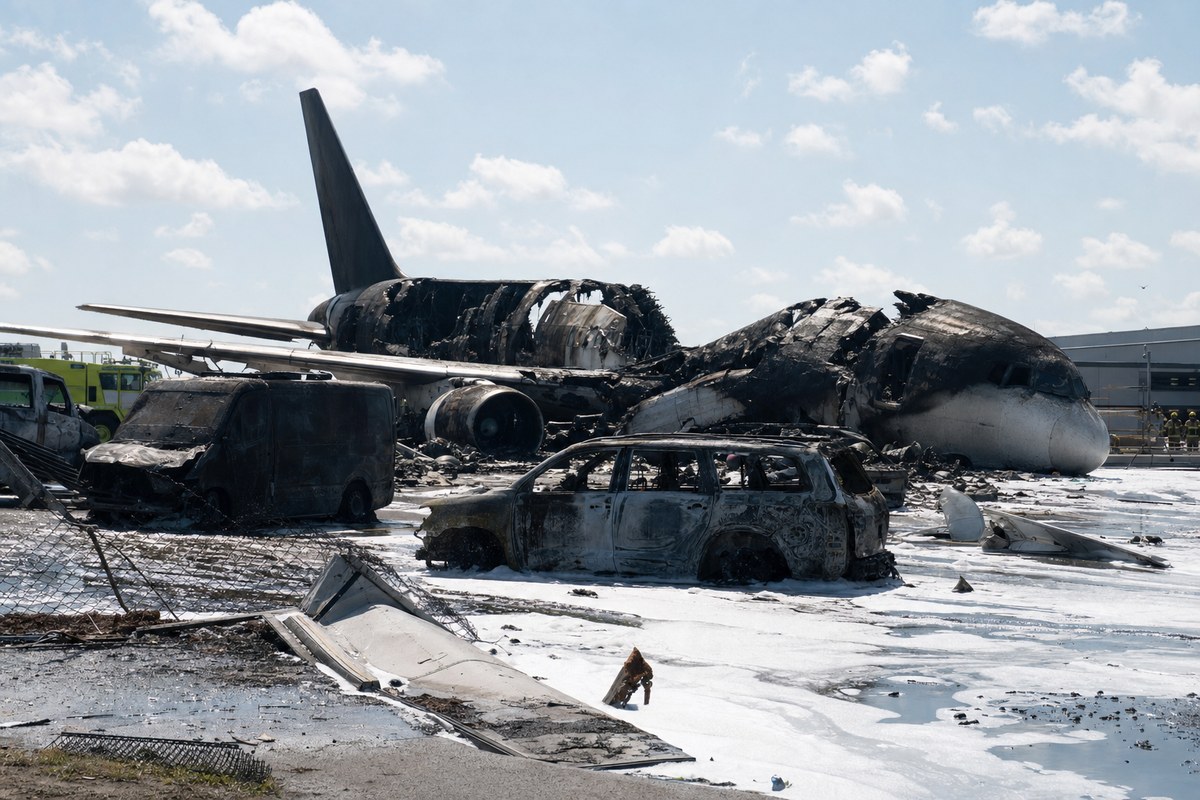
The National Transportation Safety Board is investigating. Flight data and cockpit voice recorder information show one pilot commented multiple times during the approach that the aircraft was too fast, though no explicit go-around call was made; throttles were advanced as if for a go-around after touchdown, but insufficient runway remained by then, and the NTSB noted speed brakes were not deployed during the landing roll.
Investigators are examining the dynamic between the two pilots: the captain had logged more total flight time, while the first officer had more experience on the 767 specifically, raising the possibility the first officer may not have felt comfortable calling for a go-around. FAA guidance materials, including the Airplane Flying Handbook and the Pilot's Handbook of Aeronautical Knowledge, state that a stabilized approach requires the aircraft to be on-speed, properly configured, and aimed at a predetermined touchdown point, with a go-around required if those criteria are not met, since excess airspeed causes the aircraft to float and consume runway before touchdown.