NTSB: Experimental plane made steep 180-degree left turn after takeoff before fatal Tampa Executive Airport crash
Why It MattersFatal accidents involving amateur-built experimental aircraft underscore how preliminary NTSB findings establish flight-path facts well before any mechanical, structural or human-factor cause is confirmed.
What happened
A preliminary report from the NTSB says a small experimental aircraft made a sharp 180-degree left turn and banked steeply while climbing before descending nose-first into the ground shortly after taking off from Tampa Executive Airport on September 3, killing the pilot and one passenger.
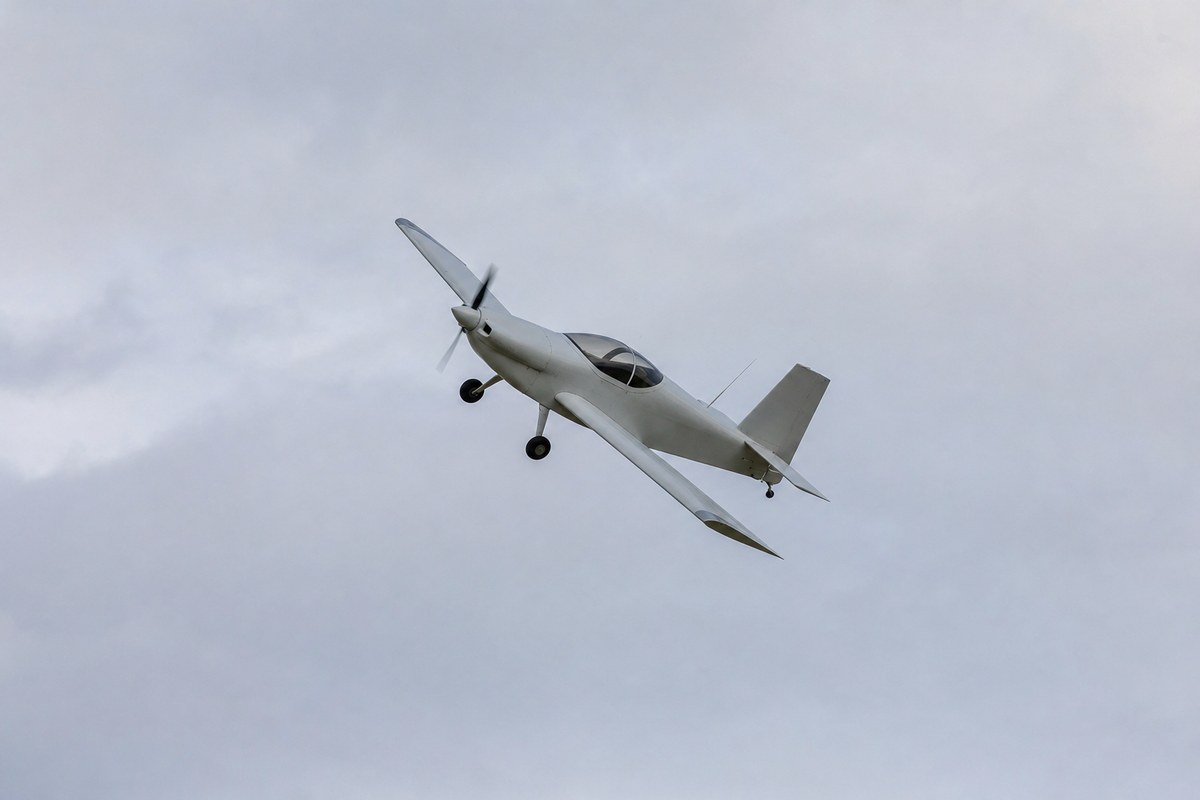
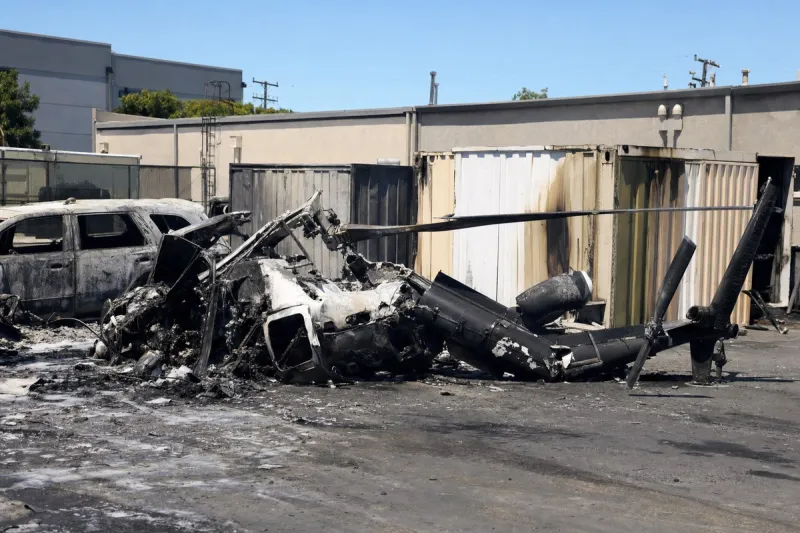
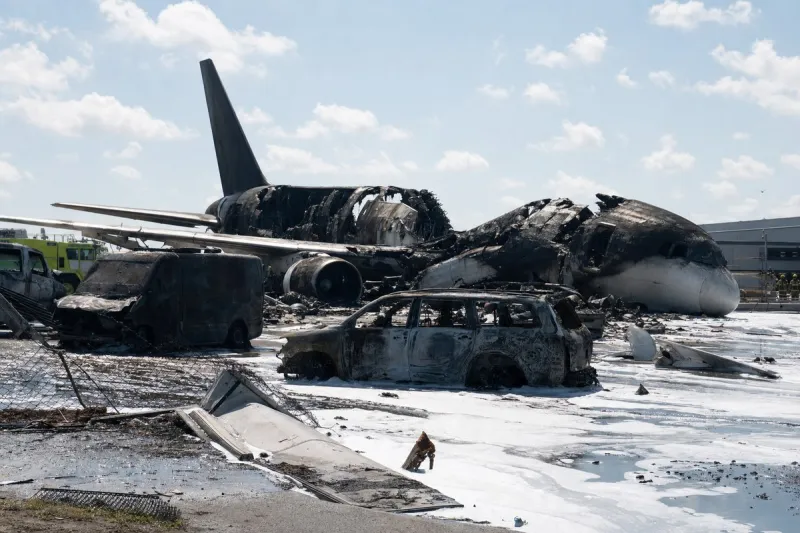
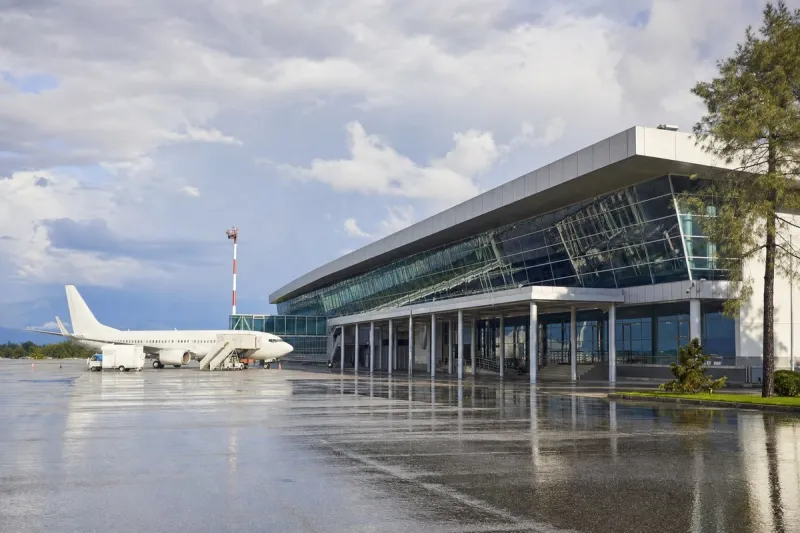
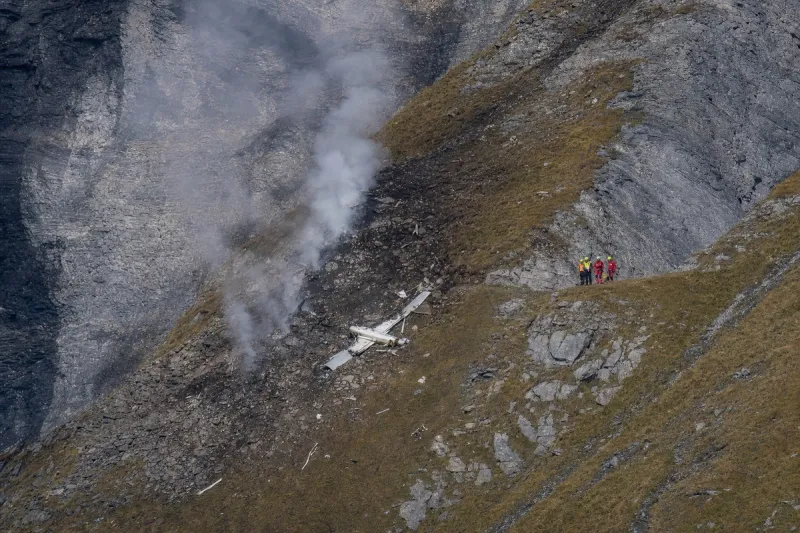
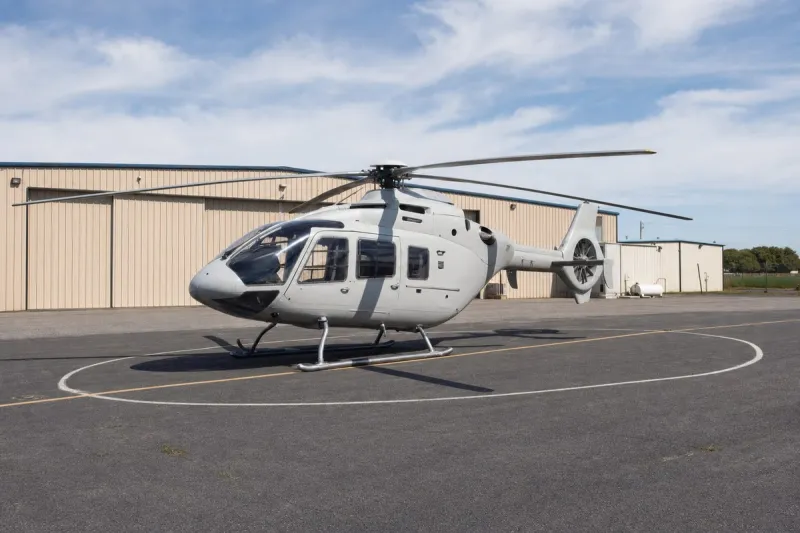
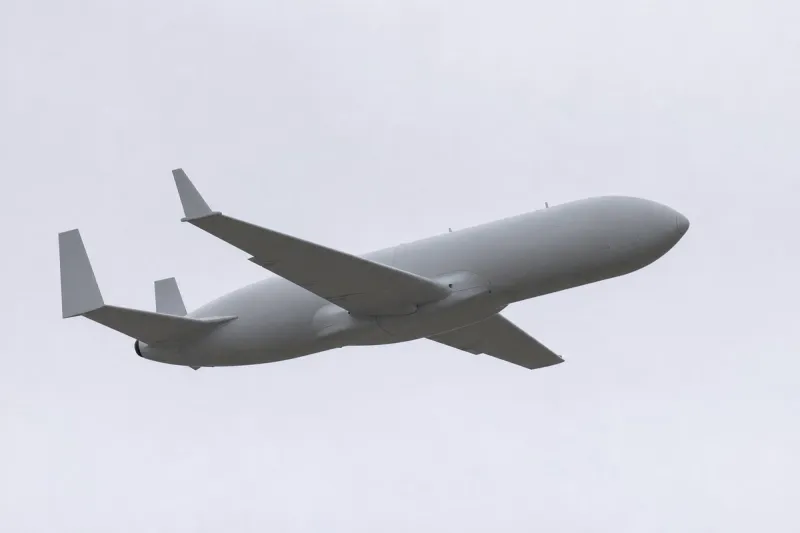
According to the NTSB, the aircraft lifted off approximately halfway down the airport's 5,000-foot runway at a ground speed of about 80 knots (92 mph). It then executed a steep climbing left turn before plunging to the ground. The plane had been bound for Elizabeth City, North Carolina. The crash site was in a wooded area of a state water management facility approximately one-third of a mile northwest of the runway, where the aircraft came to rest inverted and a post-crash fire destroyed much of the wreckage.
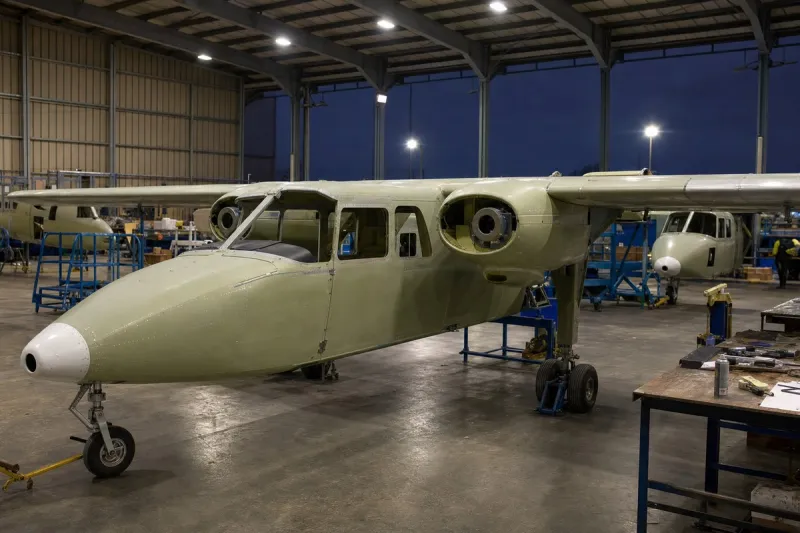
The NTSB noted that the pilot correctly read back air traffic control's takeoff instructions before departure, and no further communication was received from the aircraft after takeoff. The plane was an amateur-built Evolution aircraft assembled from a kit in 2020. The names of the two occupants were not included in the preliminary report.
Industry impact & what to watch
Accidents involving amateur-built kit aircraft are examined under the same NTSB preliminary-to-final process used for factory-built types, with the early report limited to flight track, radio communications and site observations rather than cause. The steep climbing turn and near-vertical descent described here are the kind of flight-path details investigators typically capture before any determination of mechanical failure, loss of control, or pilot action.
The NTSB has retained the wreckage for further examination and has not yet determined the cause of the crash. What follows will depend on teardown findings on the airframe and any engine or control-system components recovered from the post-crash fire, along with a fuller account of the pilot's experience and the aircraft's maintenance history once the final report is issued.