SpaceX Starship Flight 14 Targets First Orbital Test on September 22, Carrying 26 Starlink V3 Satellites
Why It MattersA successful orbital Starship test with wide-area airspace restrictions would add pressure on the FAA and pilot groups to refine NOTAM coverage for future launches.
SpaceX said the 14th test flight of its Starship rocket is scheduled to launch as soon as September 22, with a 75-minute window opening at 8:15 a.m. from Starbase in south Texas, and a backup window at the same time on September 23 if the attempt is scrubbed. Flight 14 will be the first attempt to send Starship into orbit after 13 previous suborbital missions, requiring speeds of approximately 17,500 mph. The primary plan calls for Starship to fly about 275 kilometers above Earth, complete roughly six orbits over a nearly 10-hour flight, then execute a deorbit burn and splash down in the Pacific Ocean.
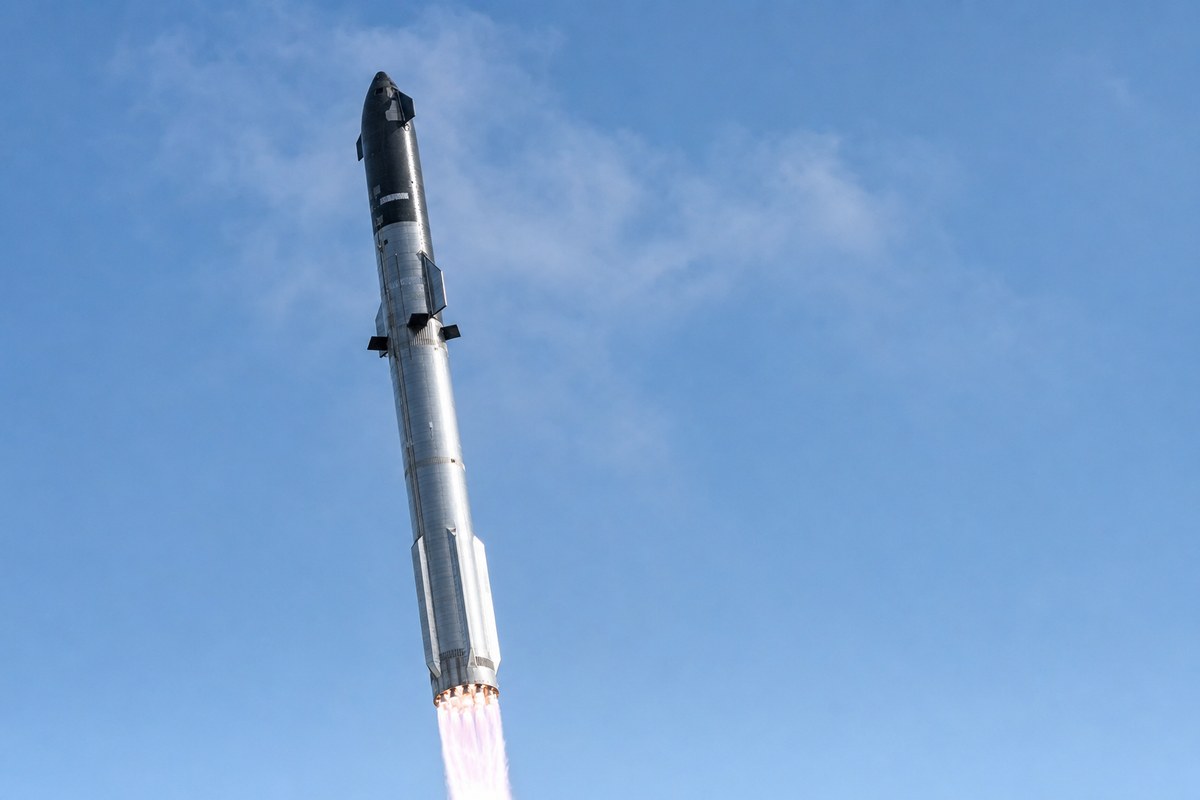
SpaceX said the ship will begin on the same passively safe suborbital trajectory used in previous flights and will only attempt an orbital burn once the flight control team confirms sufficient redundancy in hardware critical to a subsequent deorbit burn. If issues arise with power, attitude control, propellant tanks, or flight computers and navigation sensors, the vehicle can deorbit at multiple predetermined ocean locations. A key secondary objective is the first deployment of operational next-generation Starlink V3 satellites, with Starship carrying 26 of them, a capability previous Starship variants lacked. SpaceX has not announced plans to attempt an upper stage catch on this flight.
Starship stands approximately 400 feet tall when stacked on its Super Heavy booster, and the current Version 3 is designed to deliver 100 metric tons of payload to low-Earth orbit. The FAA had not published aircraft hazard area details for U.S. airspace as of Wednesday, though two NOTAMs covering Mexico's flight information region had been published. Starship suffered anomalies on two test flights in early 2025, prompting the FAA to activate debris response areas to divert aircraft from falling debris, with no aircraft reported hit in either incident. Pilot advocacy group Ops Group, which counts approximately 10,000 pilots, dispatchers, schedulers, and controllers among its members, has warned that the NOTAM system was not designed to reflect the full airspace impact of a Starship launch.