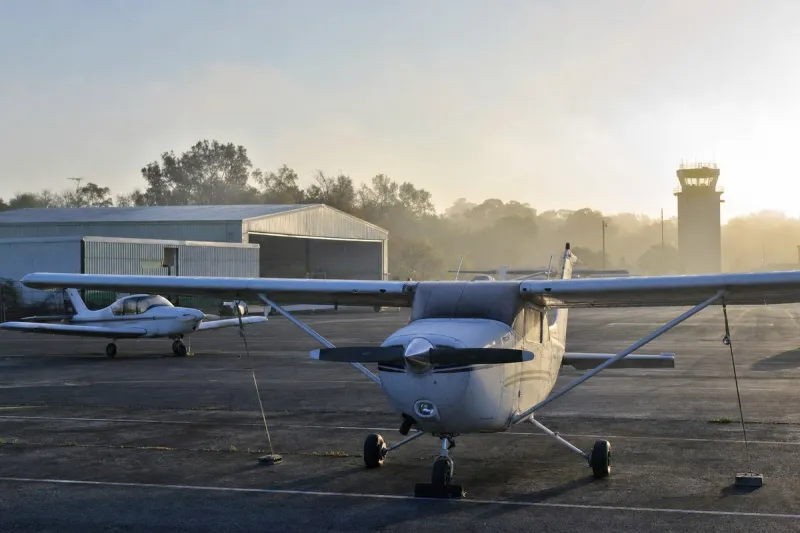
Georgia farmer risks losing half his 450-acre family property to planned Spalding County airport
Why It MattersNew general-aviation airport projects can hinge on compulsory land acquisition from long-held family farms, turning runway siting into a contest between projected regional economic impact and disputed compensation.
What happened
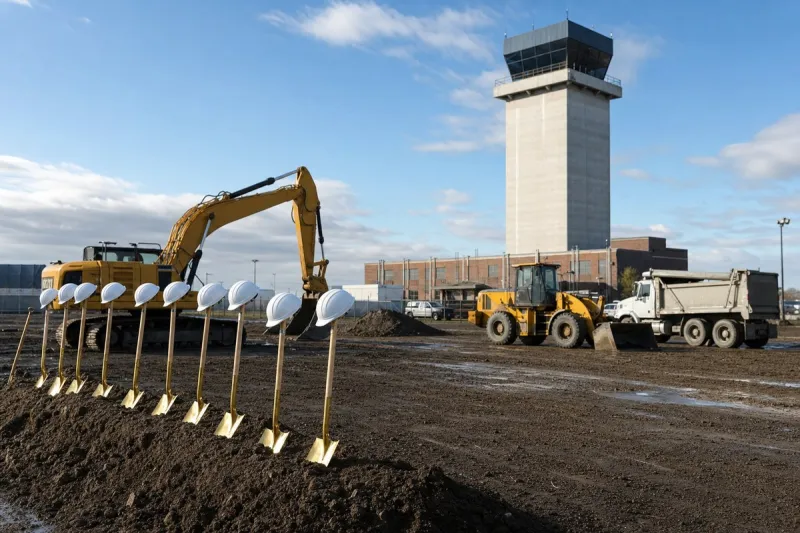
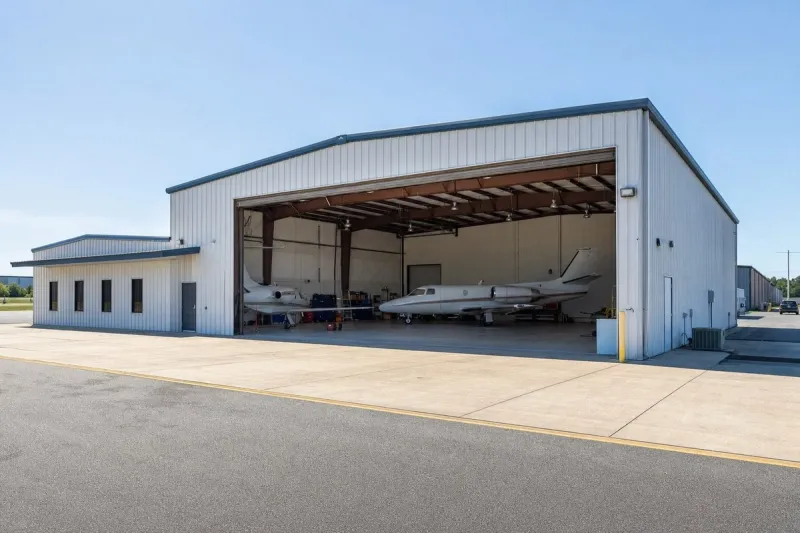
Jeff Melin, a cattle farmer in Georgia, faces the compulsory acquisition of roughly 225 acres — half of his 450-acre property, held by his family for nearly 80 years — to make way for a new airport in Spalding County. The proposed airport will cover 730 acres and include a 6,000-foot asphalt runway and 124 hangars for express and corporate jets, with construction scheduled to begin in 2026 and finish by 2031. The Georgia Department of Transportation has estimated the facility will generate approximately $24 million in annual economic impact for Spalding County.
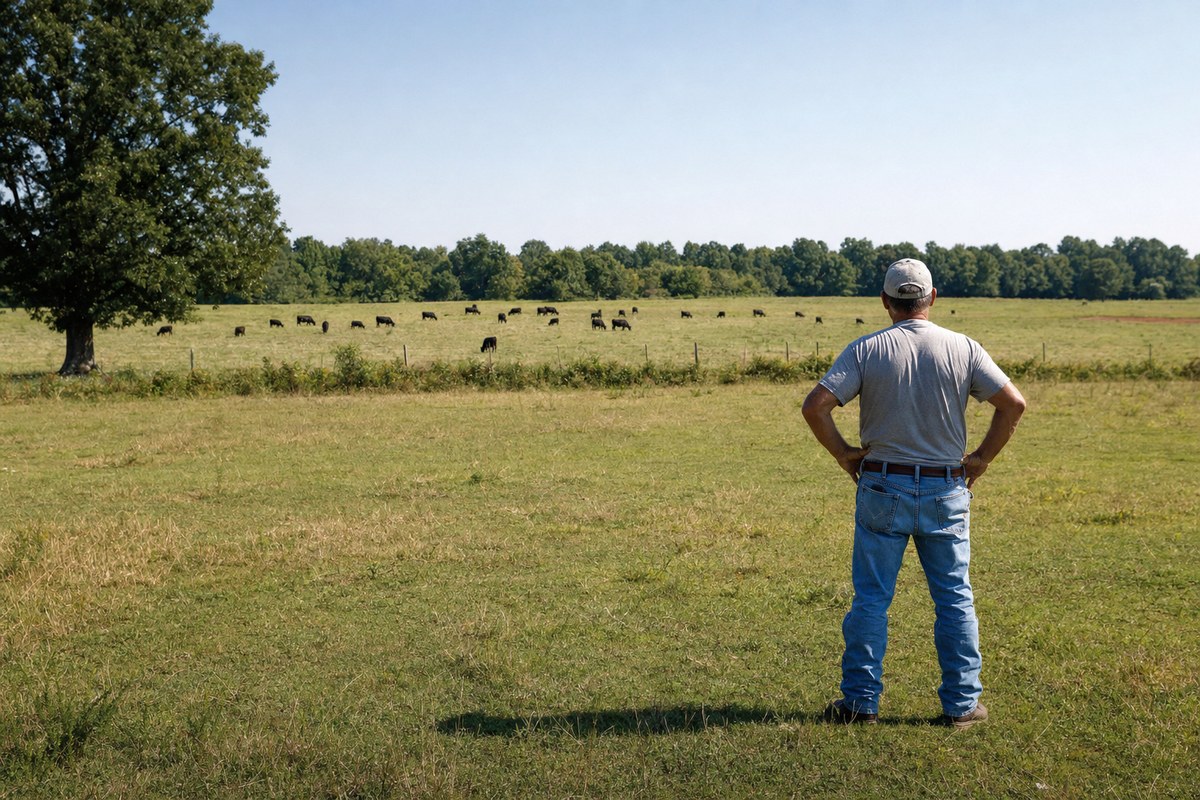
The airport proposal dates to 2012, when the existing Spalding County airport's runway was deemed too short and alternative sites were studied. Among the land affected is a 70-acre pecan grove containing trees more than a century old, some of which have already been felled as preliminary work begins; concrete utility poles are being installed where pecan trees once stood, and the planned runway is set to replace part of the existing grassland.
Melin told AgWeb he has been given 90 days to clear a 40-by-60-foot farm shop holding decades of equipment, without yet having a replacement building available. He also expects to remove at least 65 cows and 30 calves from the operation as a result of the land loss. Melin disputed the valuation of the acquired land, arguing that long-term investments in fertiliser, lime, and weed control were not reflected in the offer, and compared it with a nearby 100-acre cattle farm that he said sold for $75,000 per acre to Georgia Power. "They wouldn't give me an honest dollar," he said. Melin acknowledged that his family had previously ceded land for road widening when public safety was at stake, but said, "Our farm was not for sale at any price because our lives were moulded around this land."
Industry impact & what to watch
Airport development that depends on compulsory acquisition puts a regional economic-impact estimate directly against a landowner's own valuation of decades of soil investment, and the two rarely start from the same number. Georgia's transport department projects $24 million in annual economic impact from the finished facility, while Melin points to a per-acre sale price on a neighbouring farm that he says the offer for his own land does not match — a gap that, left unresolved, tends to end up litigated rather than negotiated.
The project's timeline, construction starting in 2026 and running to 2031, means the pecan grove clearing and utility work already underway are only the first visible stage; the larger question is how many more of the 225 acres change hands before the runway and 124 hangars are built. Whether Melin's dispute over valuation is resolved before or after construction proceeds will show how much leverage an individual landowner retains once a state-backed airport project has already been approved and scheduled.