Harbour Air to Acquire Pacific Coastal Airlines, Creating 59-Aircraft Regional Group Serving 25 British Columbia Communities
Why It MattersRegional consolidation in thinly served markets increasingly pairs complementary fleet types under one ownership structure to widen network reach while preserving separate brands and local employment.
What happened
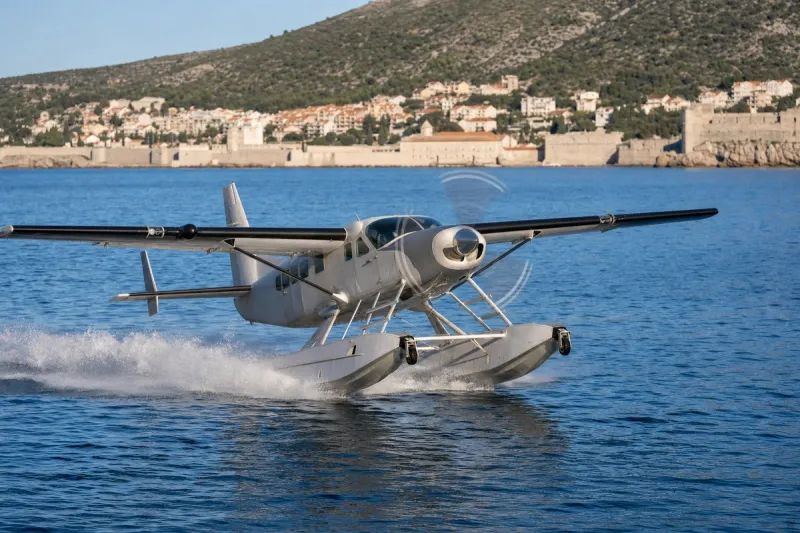
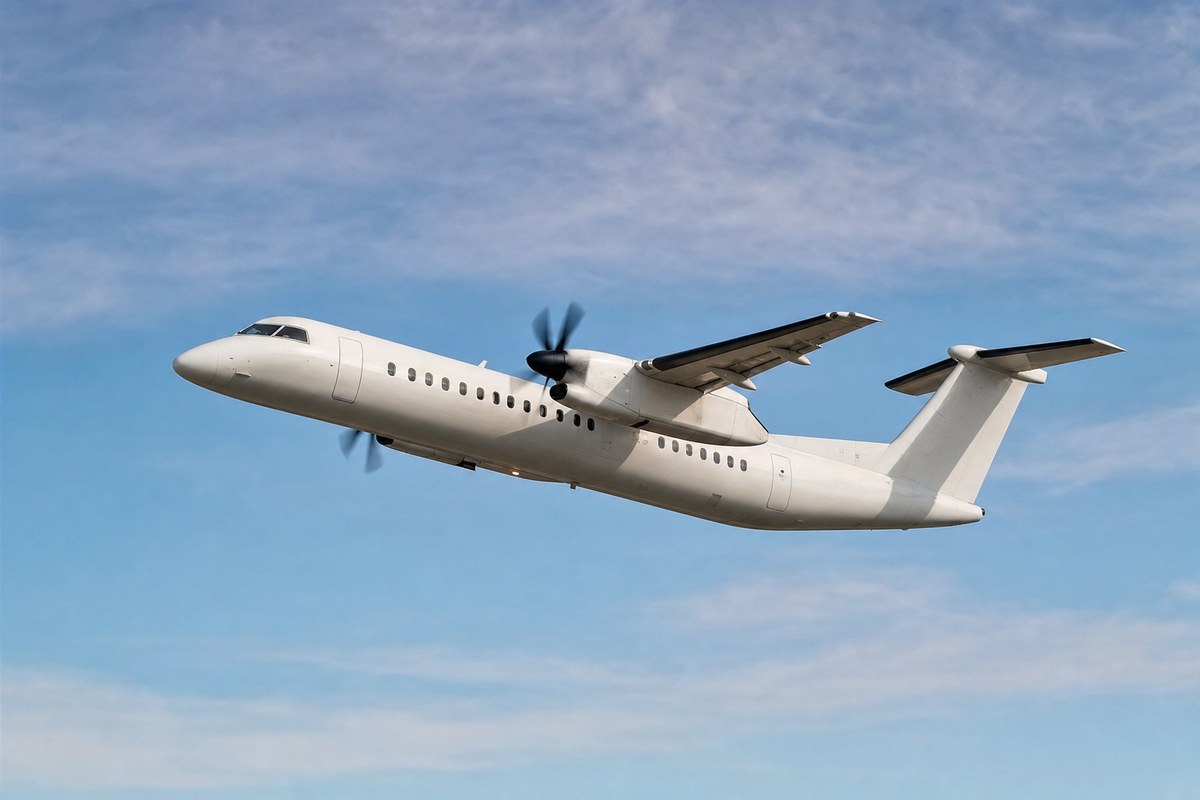
Harbour Air and Pacific Coastal Airlines (PCA) announced an agreement under which Harbour Air will acquire PCA, forming a new regional airline group that keeps both carriers under Canadian ownership. The combined group will bring together Harbour Air's seaplane network and PCA's wheeled-aircraft network, serving 25 communities across British Columbia with a combined fleet of 59 aircraft, and will operate up to 300 daily flights with Vancouver designated as a key hub for regional and global connectivity through Vancouver International Airport (YVR).
Harbour Air CEO Bert van der Stege called the transaction an "exciting step" for both airlines and the communities they serve, citing a "long-standing and deep respect" for PCA and its 40-year history. PCA President Quentin Smith said the merger will enable the airline to "deliver even more" for guests, employees and communities, and that under new ownership the carrier will invest in growth while maintaining its brand. The combined entity will employ more than 900 people across British Columbia.
Both airlines have each operated for more than 40 years. Harbour Air is described as North America's largest seaplane airline, operating up to 200 daily flights to 13 destinations from hubs in Vancouver and Victoria. PCA has served 19 destinations across the province since 1987, providing scheduled, charter and cargo services. The transaction remains subject to regulatory approval; until it closes, Harbour Air and PCA will continue to operate as two separate and independent airlines, and an expected close date has not yet been confirmed.
Industry impact & what to watch
This deal joins seaplane and wheeled-aircraft operations under one ownership group rather than merging them into a single operating certificate, letting each brand keep its identity while the parent gains a wider route map. Regional carriers serving dispersed, smaller communities often face a choice between organic fleet expansion and combining with an adjacent operator whose network and equipment fill gaps theirs cannot reach alone; here that gap was the difference between amphibious seaplane routes and conventional runway service across the same province.
Keeping both brands and workforces intact while designating a single hub, Vancouver via YVR, signals an intent to use scale for connectivity rather than for cutting overlapping routes, since the two networks appear to be complementary rather than duplicative. Regulatory approval is the immediate hurdle, and the absence of a confirmed close date leaves the timeline for integrating scheduling, cargo and charter operations under the new group unresolved. What happens to the more than 900 employees and the 59-aircraft fleet once approval is granted will show whether the combination adds capacity or simply consolidates ownership.