Heart Aerospace Completes First Flight of X1, World's Largest Battery-Electric Aircraft
Why It MattersThe flight advances hybrid-electric regional aircraft toward certification, with United Airlines, Air Canada and JSX commitments signaling potential shifts in regional-airline cost structures.
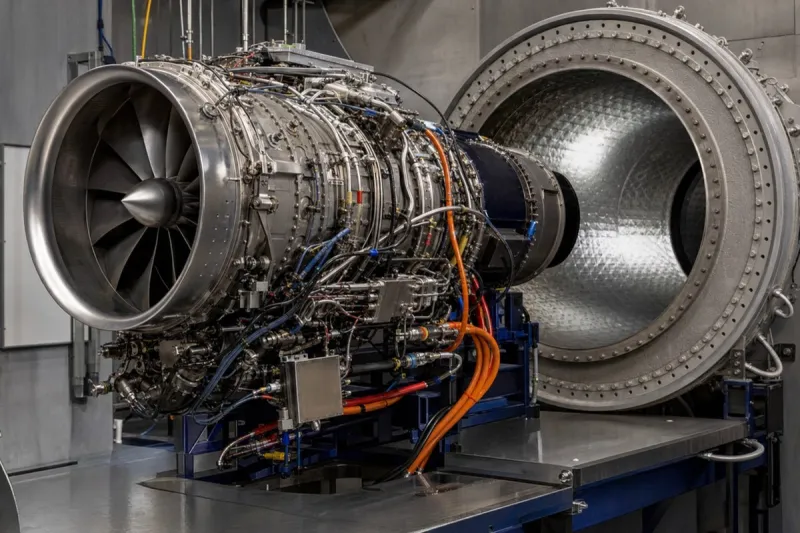
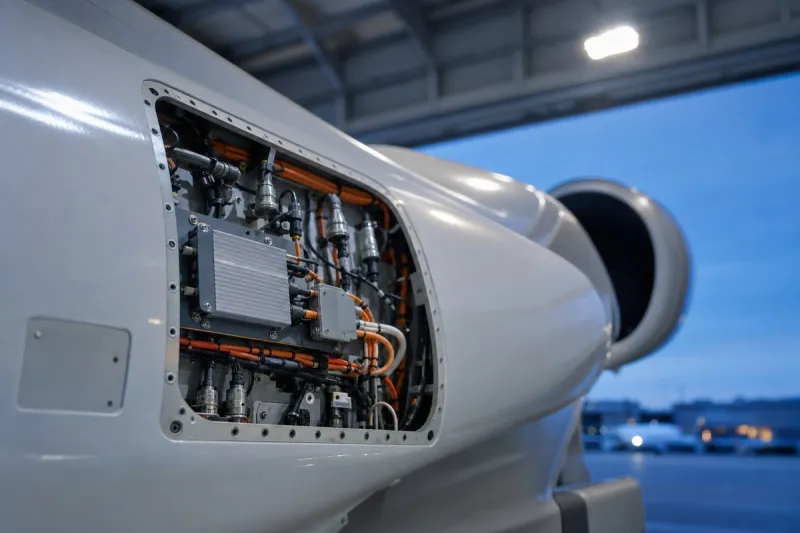
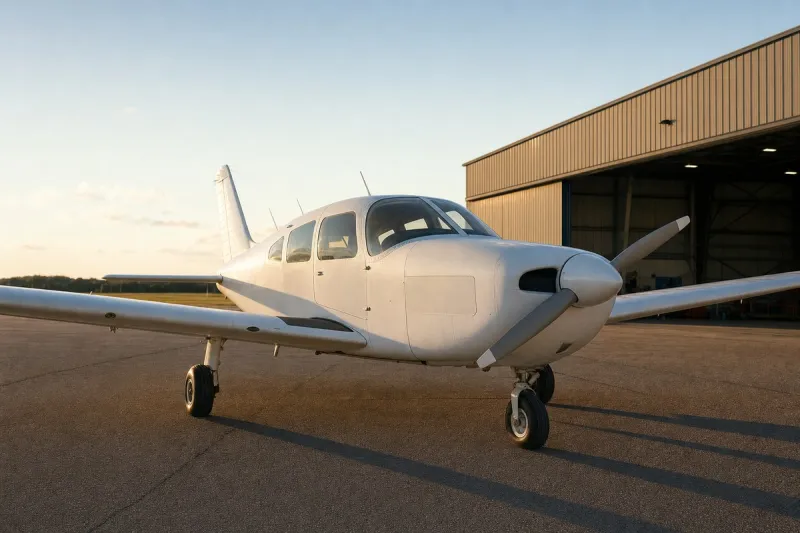
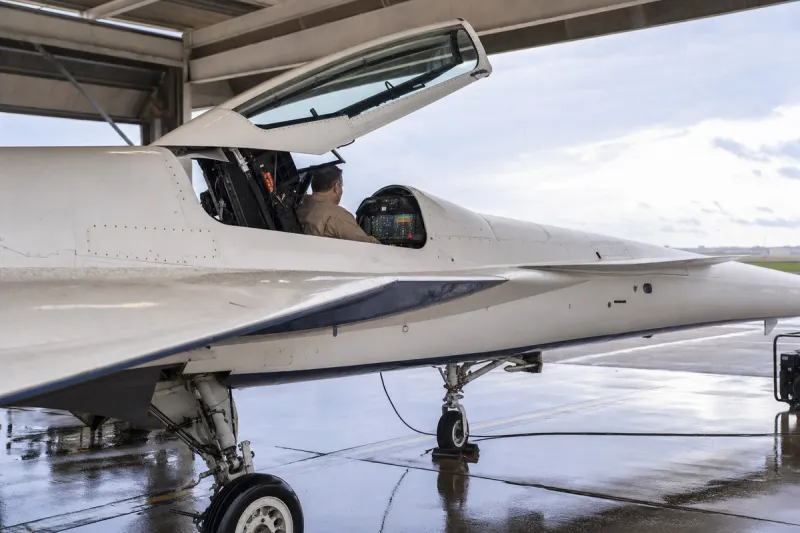
Heart Aerospace completed the first flight of X1, described as the world's largest battery-electric aircraft, on August 12, 2026, at Plattsburgh International Airport in upstate New York. The aircraft spans 106 feet in wingspan, measures 76 feet nose to tail, and weighs more than 25,000 pounds at takeoff.
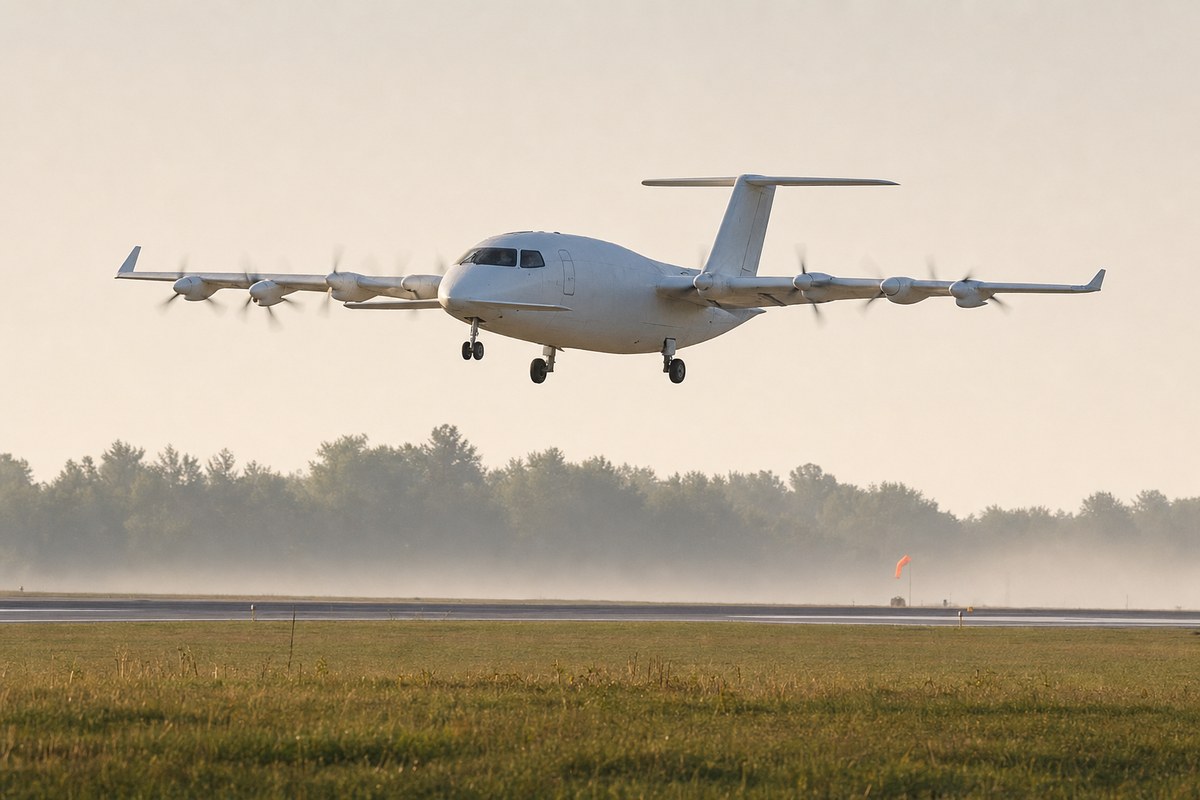
The piloted flight lasted 27 minutes, reaching an altitude of 1,100 feet above ground level while the all-electric propulsion system delivered more than one megawatt of power. The mission covered taxi, takeoff, climb, maneuvering and landing under an FAA Special Airworthiness Certificate in the Experimental Category, and Heart Aerospace reported the flight consumed approximately $5 worth of electricity.
X1 is a full-scale demonstrator representative of Heart Aerospace's ES-30, a 30-seat hybrid-electric regional airliner being developed for FAA Part 25 certification, with customer commitments from United Airlines, Air Canada and JSX. Heart Aerospace is targeting entry into service in 2031 and projects the ES-30 will cut aircraft operating costs by more than 40% versus legacy regional aircraft, an economic case the company linked partly to jet fuel prices averaging $3.50 per gallon for the week ending August 7, up 63% year over year.
Anders Forslund, Founder and CEO of Heart Aerospace, said the flight demonstrated electric flight at the scale of a commercial airliner. United Airlines CFO Michael Leskinen called it a major technical achievement, while Air Canada Executive Vice President and CFO John Di Bert described it as an important milestone in aviation's energy transition, reaffirming Air Canada's investment in Heart Aerospace and the ES-30 program.