BlackJet Offsets 300% of Flight Emissions to Cover Non-CO2 Warming Effects in Private Aviation
Why It MattersThe move signals that private aviation sustainability claims are shifting from CO2-only offsets toward broader climate-impact accounting, raising the bar operators may need to meet on decarbonization credibility.
What happened
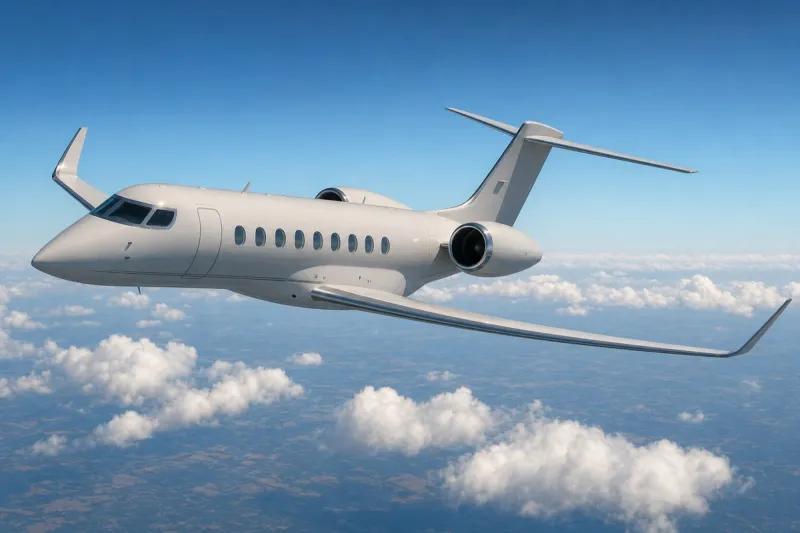
BlackJet has announced a sustainable aviation initiative that offsets 300% of all flight emissions, extending beyond the CO2-only offset programs common in the industry to account for non-CO2 warming agents including nitrogen oxides, water vapor, aerosols, and contrail cirrus formation. The initiative applies to every Jet Card flight operated by BlackJet members at no additional cost to travelers.

According to Climate Action Tracker, CO2 accounts for only one-third of aviation's total climate impact, with the remaining two-thirds attributed to non-CO2 warming effects; BlackJet's 300% offset standard is designed to cover the full scope of that impact. A peer-reviewed study published in Communications Earth & Environment found that CO2 emissions from private aviation increased by 46%, driven by growth in both aircraft numbers and distances flown. BlackJet noted that nearly half of all private flights cover less than 500 kilometers.
BlackJet is headquartered in West Palm Beach, Florida, and offers Jet Card membership programs providing access to Light, Mid, Super-Mid, and Large Cabin aircraft with guaranteed availability and fixed pricing. The company also operates BlackJet Certified, which it describes as the first proprietary safety standard of its kind in private aviation. The Jet Card program has been in operation for over a decade.
Industry impact & what to watch
This case belongs to a broader shift in aviation sustainability claims: moving from CO2-only accounting toward frameworks that attempt to capture the full climate footprint of flight, including nitrogen oxides, contrails, and aerosols. Offset programs in private aviation have historically focused on the carbon figure alone because it is the easiest to measure and price, even though non-CO2 effects make up a larger share of total warming impact according to Climate Action Tracker.
How this plays out depends on whether other Jet Card and charter providers treat expanded offset scope as a competitive differentiator or a cost they can avoid absorbing at no charge to members. The finding that private aviation CO2 emissions rose 46%, and that nearly half of flights cover under 500 kilometers, points to short-haul volume growth as a factor operators and offset providers will need to keep weighing against climate claims.
What happens next depends on whether independent verification of the 300% offset standard becomes available, and whether competing Jet Card operators respond with comparable non-CO2 accounting rather than sticking to CO2-only programs.