CAE's Electric Piper Archer Conversion Stalls After Initial Design Phase
Why It MattersThe stall underscores how battery weight, limited flight time, and certification complexity continue to slow electric propulsion's advance in flight training despite the segment's suitability for short local flights.
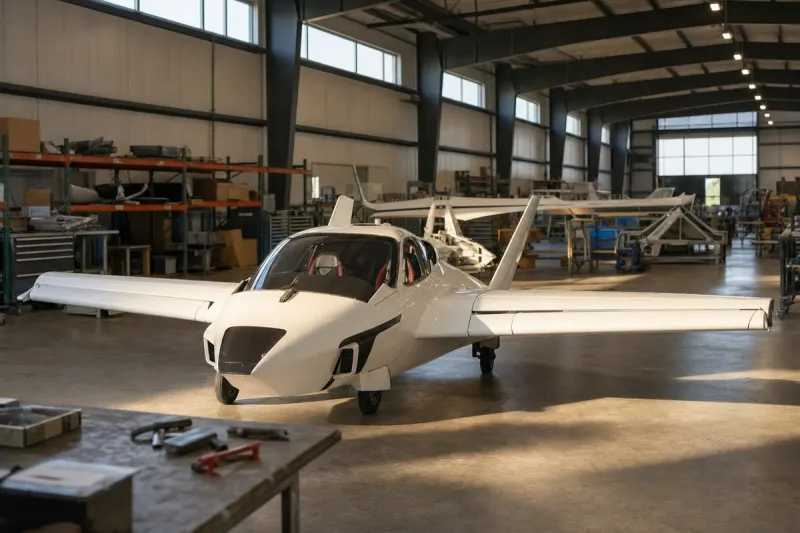
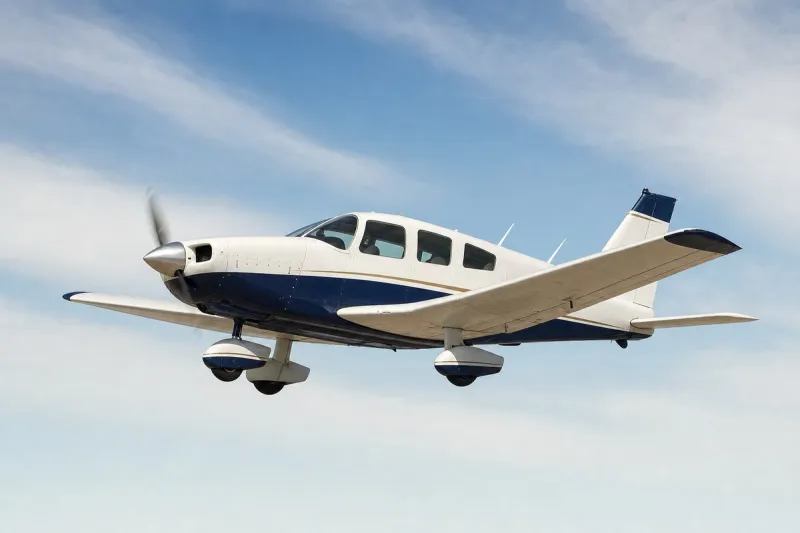
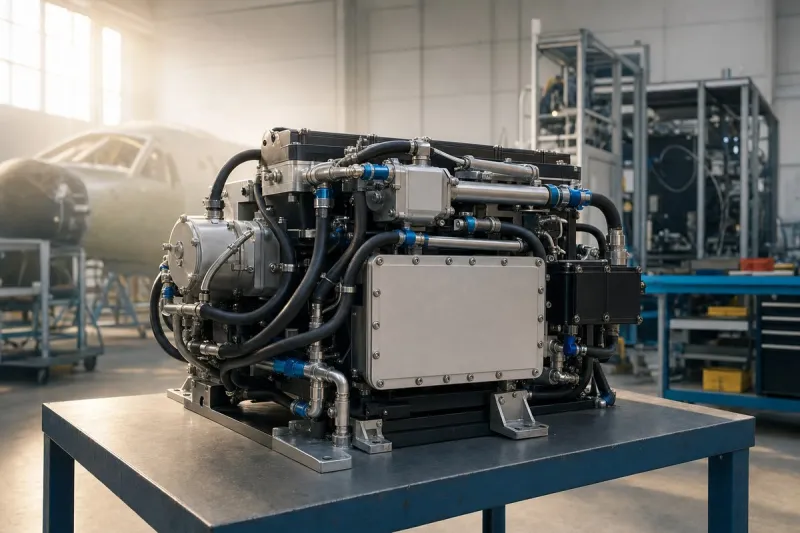
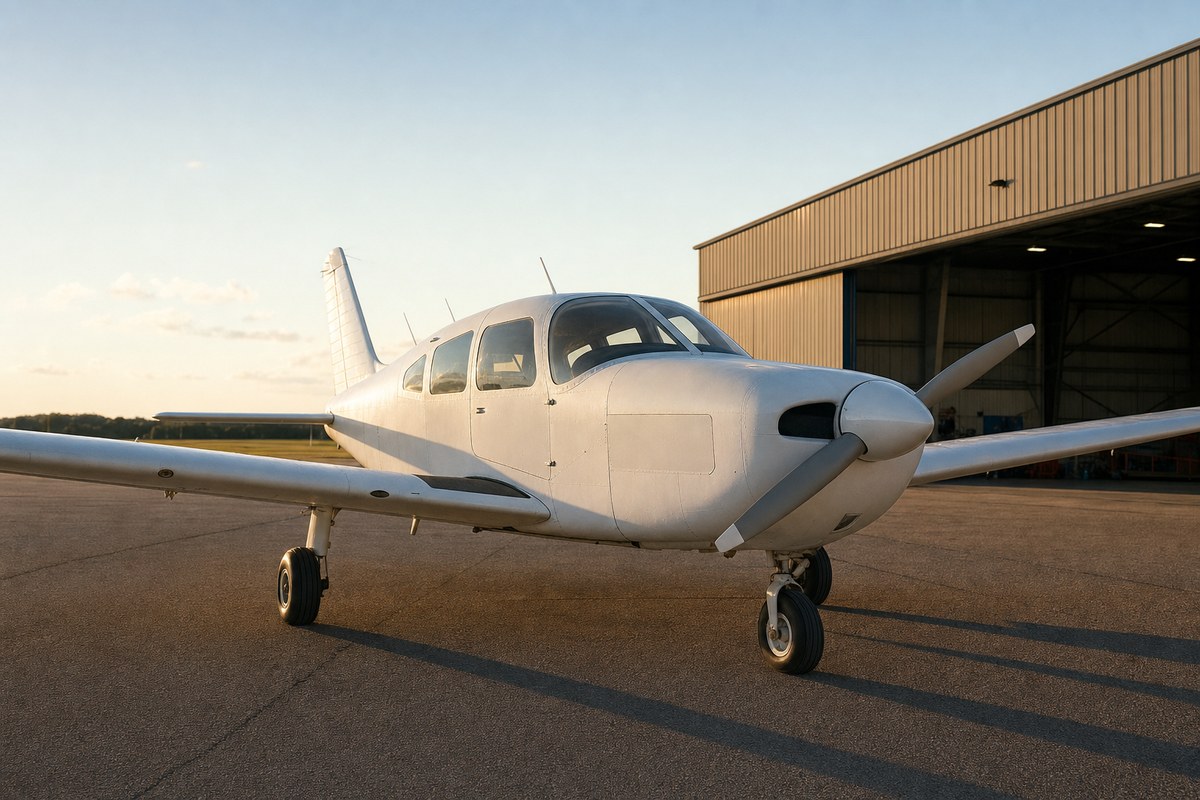
CAE has completed the initial design phase of its electric training aircraft program, a planned retrofit of the Piper Archer PA-28-181, but has not committed to the subsequent development and certification phases, leaving the project's future uncertain. The Montréal-based training and simulation company launched the program four years ago with the goal of converting two-thirds of its Archer fleet to electric propulsion, with Safran supplying its 150-kilowatt ENGINeUS 100 electric motor and H55 providing the battery and power management system, and CAE had originally planned to pursue a supplemental type certificate for the conversion.
CAE Senior Vice President of Communications Samantha Golinski said in a written statement that the company is evaluating the best path forward for the program's next phase, which involves more advanced development and certification considerations requiring specialized expertise, adding that CAE is sharpening its focus on its core training and simulation business while working closely with industry. CAE declined an interview request.
The training aircraft segment had been viewed as a promising fit for electric propulsion because training flights are typically short, conducted near home airports, and involve frequent takeoff and landing practice, though battery weight, limited flight time, charging turnaround constraints, and certification complexity present hurdles as such projects advance toward production.
Separately, CAE and Polish defense company WB Electronics announced an agreement on September 8 to explore training and mission-readiness systems for unmanned and autonomous aircraft, combining CAE's simulation and training capabilities with WB Electronics' unmanned aircraft and mission systems, intended to serve customers in Canada, Poland, and other allied countries.