UK Pushes Hydrogen Aviation But Full Commercial Viability Remains Below 1% Probability by 2050
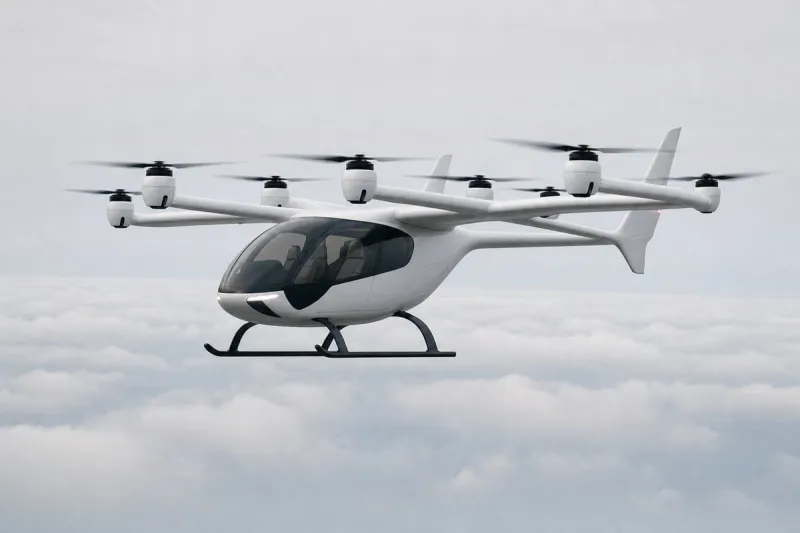
Why It MattersThe assessment suggests hydrogen will remain a niche pursuit for small aircraft rather than a near-term pathway for mainstream medium-haul commercial fleets.
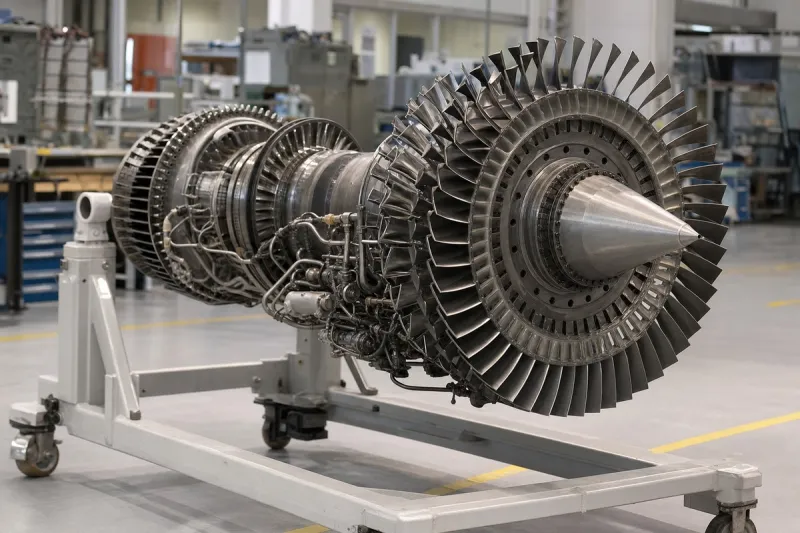
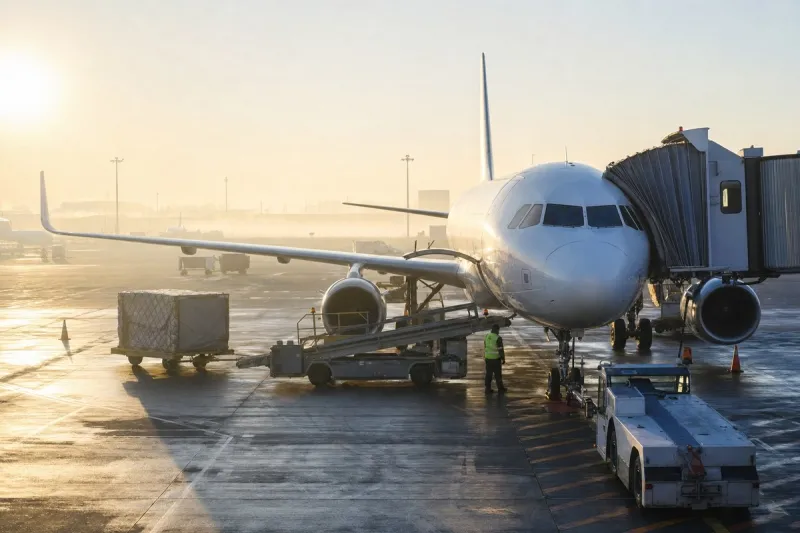
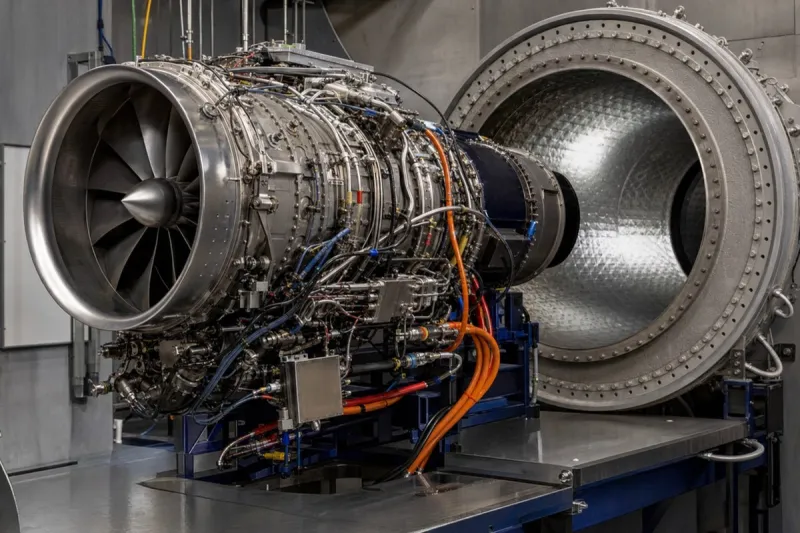
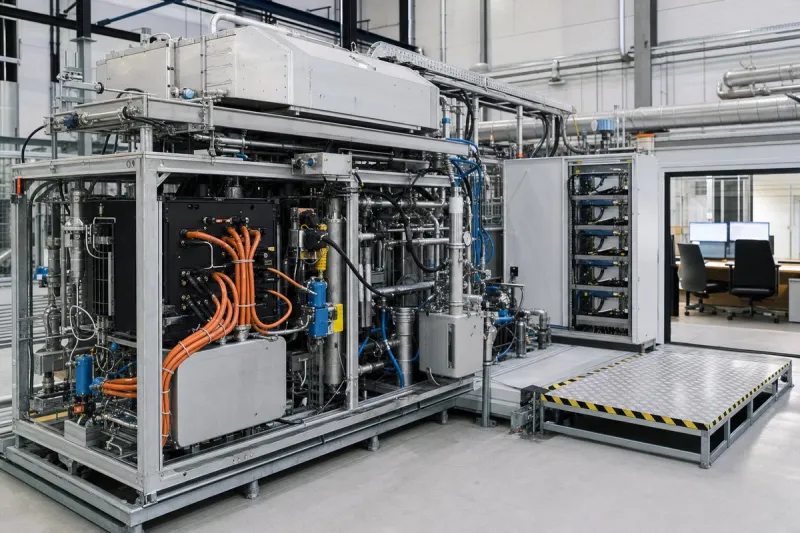
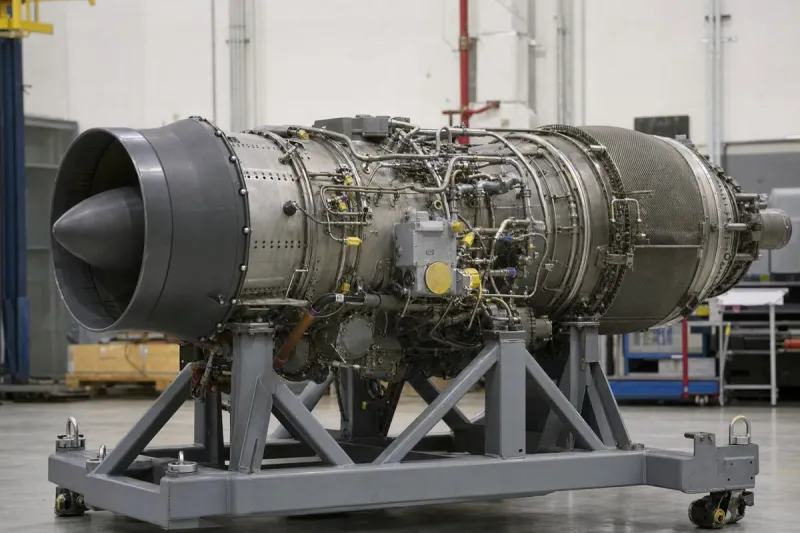
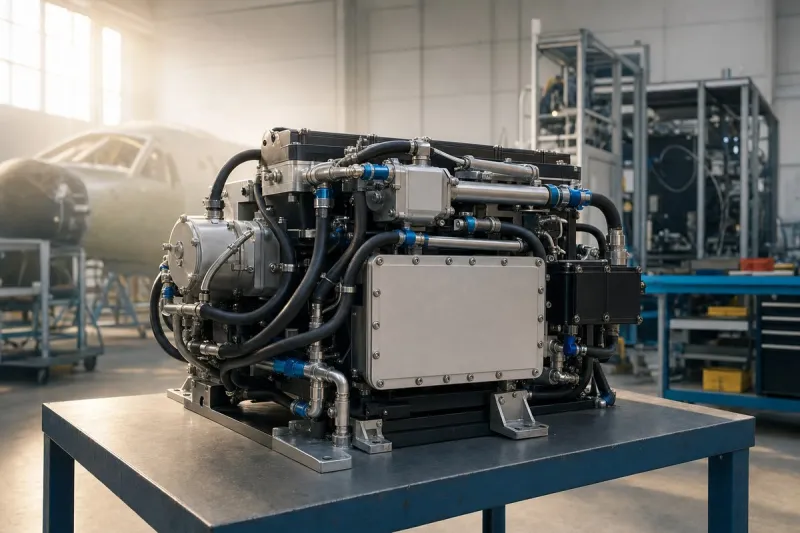
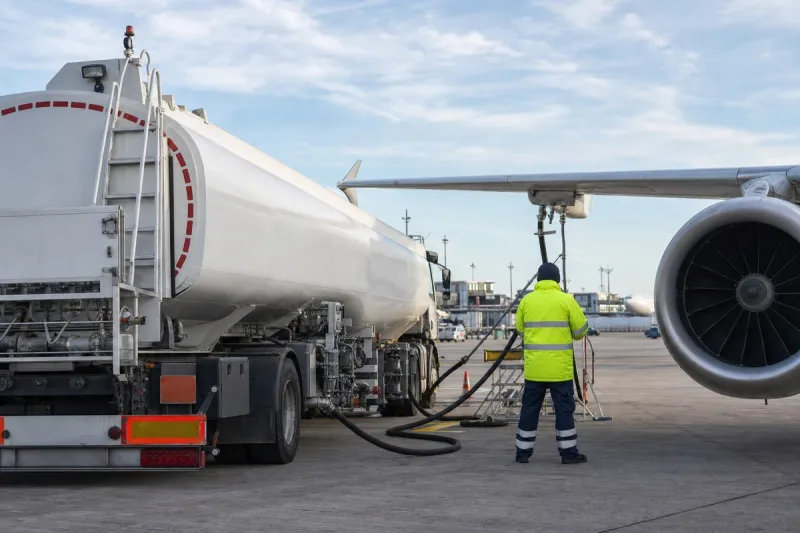
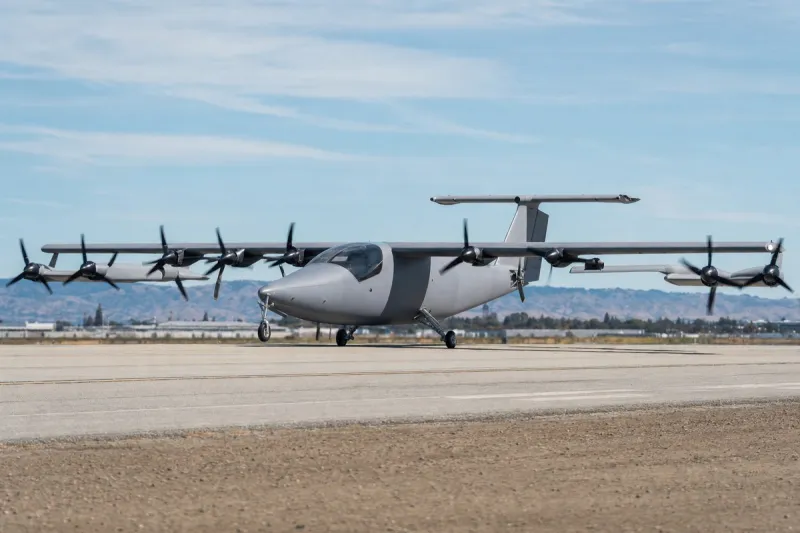
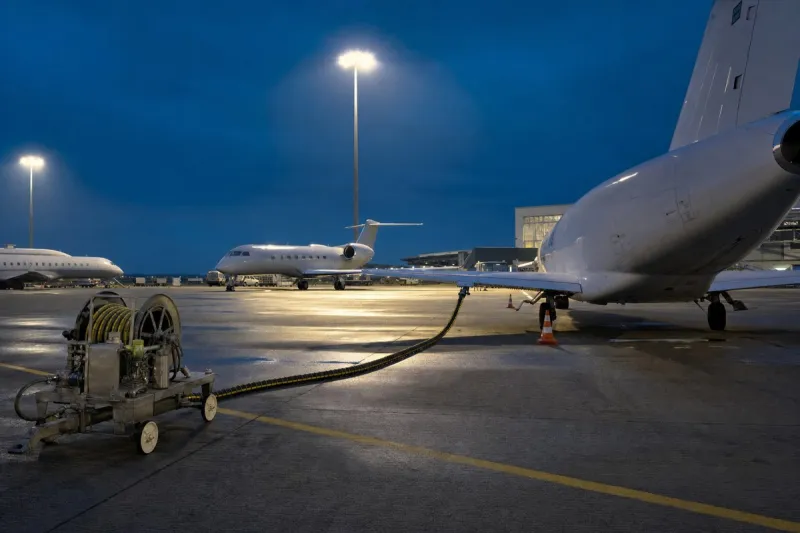
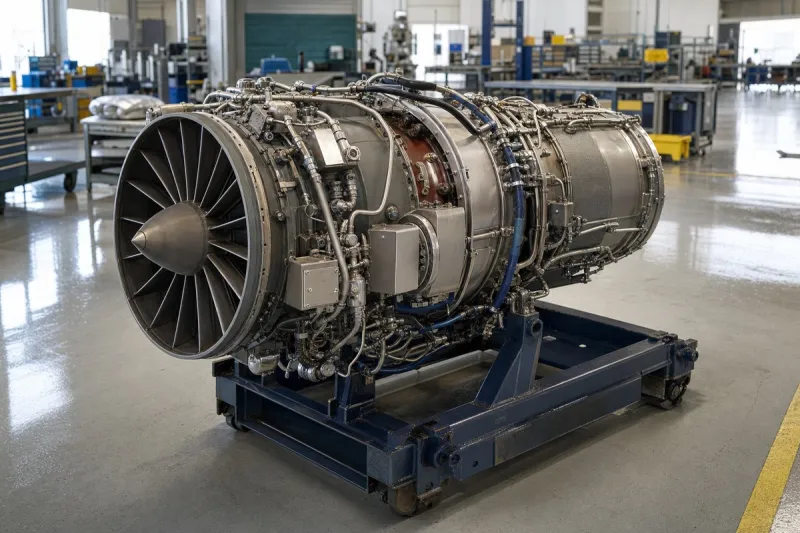
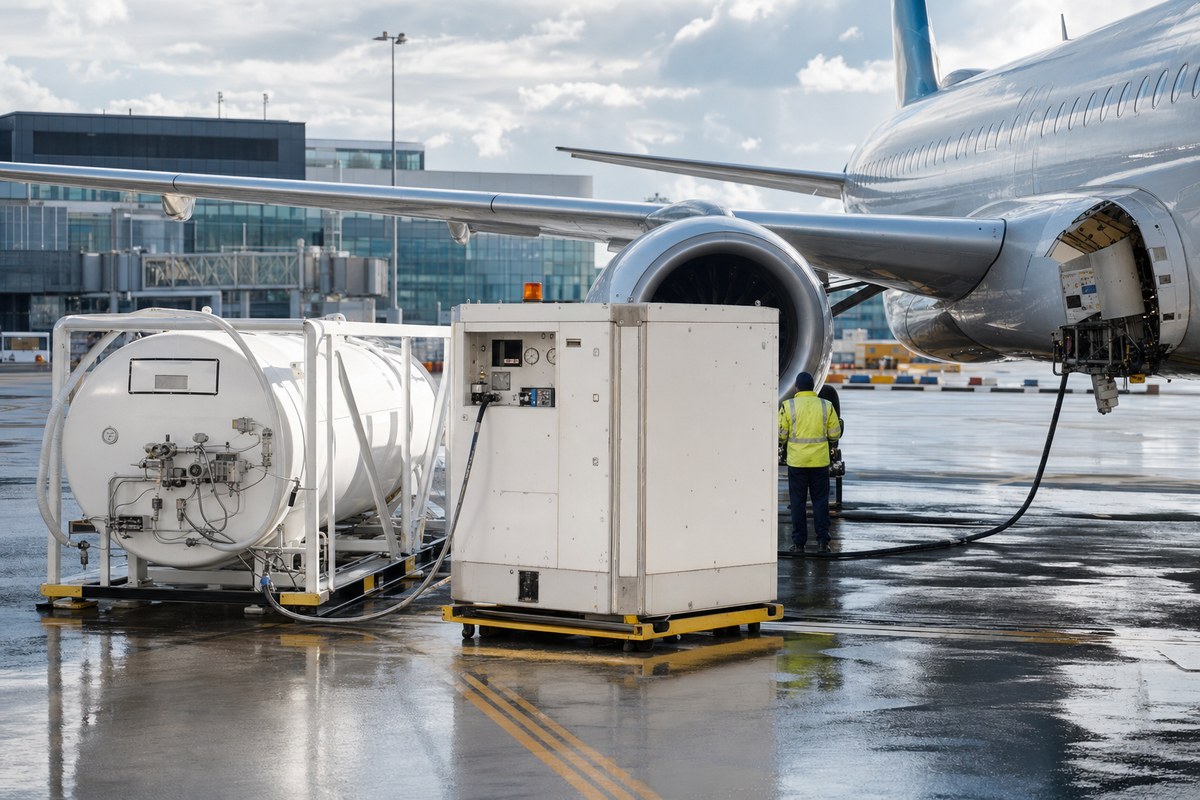
The UK Civil Aviation Authority has launched its latest Hydrogen Challenge, examining hydrogen-aircraft turnarounds at London City Airport, cryogenic hydrogen storage, and airside supply systems, with a broader roadmap targeting scaled operations for small aircraft by 2035. Airbus and MTU are working toward a certifiable hydrogen fuel-cell aviation engine, while ZeroAvia has made FAA certification progress with its 600 kW electric engine.
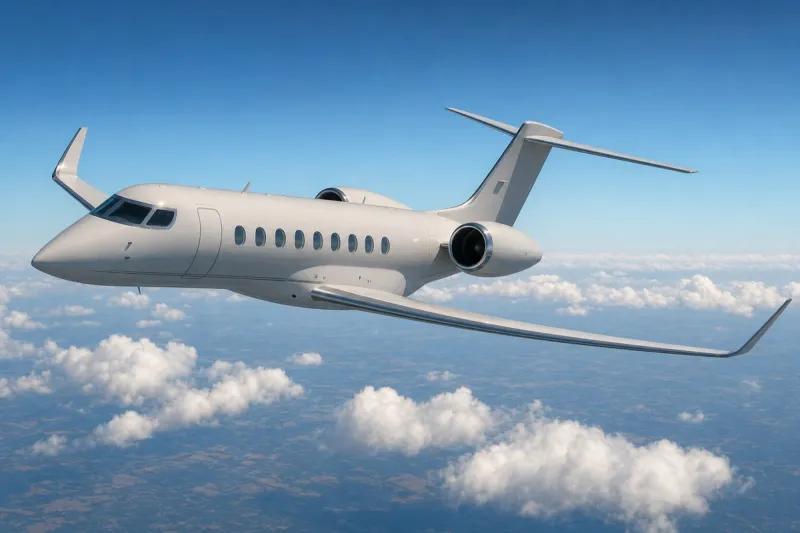
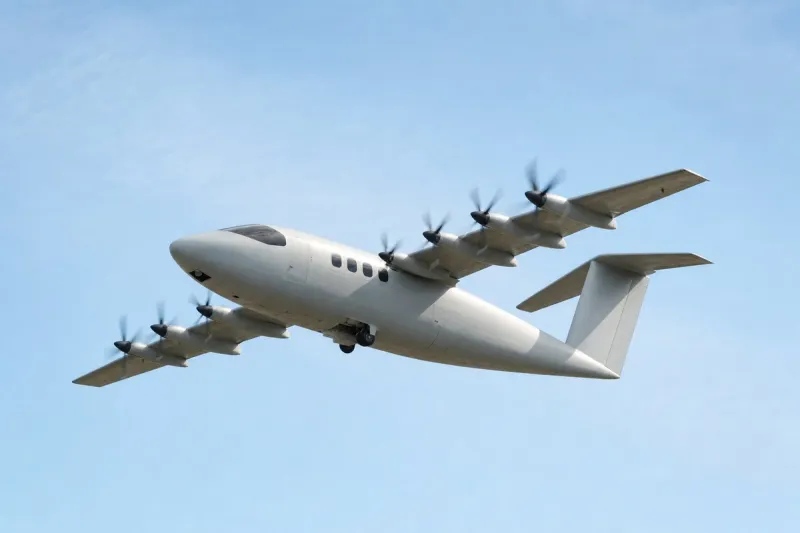
Despite this activity, an updated assessment by analyst Michael Barnard at TFIE Strategy places the probability of a commercially viable hydrogen passenger aviation system at well below 1% by 2050. Built around a standard mission of a 150-passenger aircraft flying 2,500 kilometres with baggage and reserves, the analysis assigns individual engineering steps conditional probabilities of 60%-85%, yet finds the least-implausible clean-sheet conventional design path reaches only about 3% probability for an operator-ready aircraft by 2050.
The assessment identifies three sequential gates that must all open for hydrogen passenger aviation to reach commercial scale: a certified, operator-ready aircraft; a network of at least six airports capable of airline-scale liquid-hydrogen throughput; and a fleet large enough for meaningful scheduled service, with each gate dependent on the previous one. Combining the airport-network and fleet-scale requirements with the aircraft probability drops the integrated pathway for a medium-haul passenger system well below 1% by 2050.
The analysis notes that cheap hydrogen would improve operating economics but would not alter tank volume requirements, crashworthiness standards, certification workload, airport throughput demands, or the need to manufacture a full fleet at scale. At 2,500 kilometres, hydrogen competes primarily with liquid fuels that preserve conventional turbine-aircraft architecture and existing airport fuel infrastructure, not with battery-electric aircraft, while sustainable aviation fuels face their own feedstock and cost constraints.