TAT Technologies and Beyond Aero Collaborate on Thermal Management for Hydrogen-Electric Business Aircraft
Why It MattersThermal management is emerging as a key enabling technology that established aerospace suppliers can bring to hydrogen-electric aircraft startups still building out their industrial ecosystems.
What happened
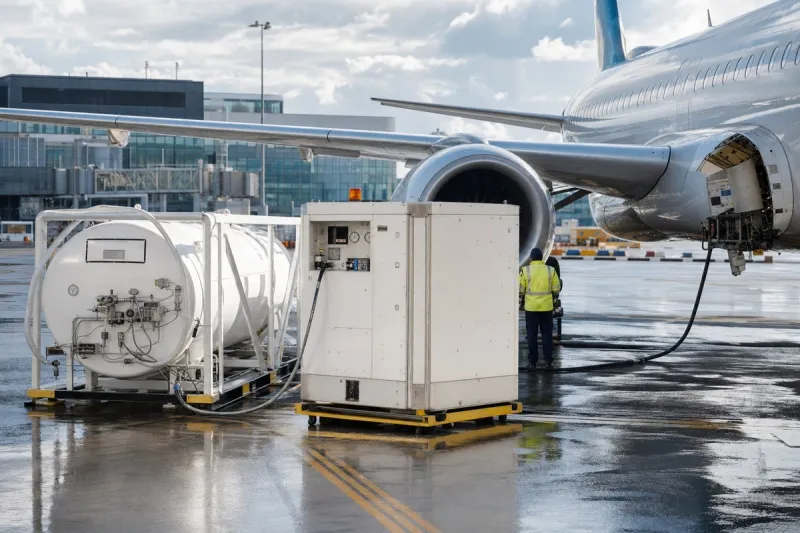
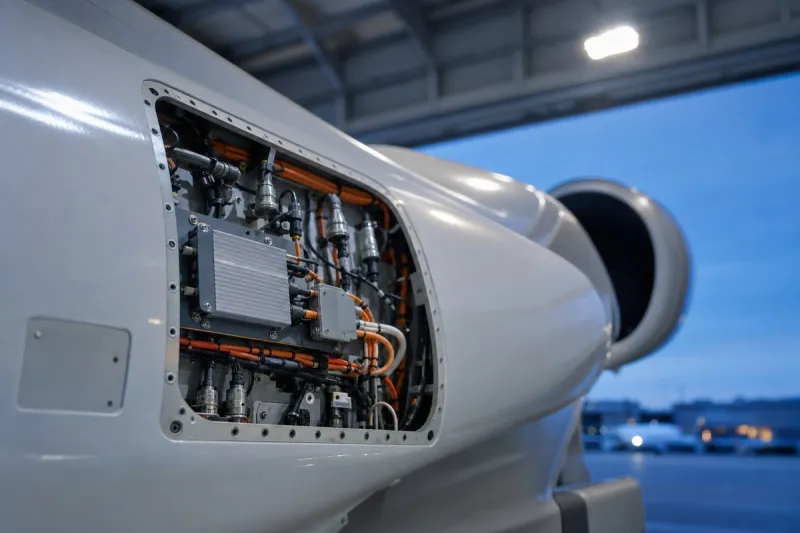
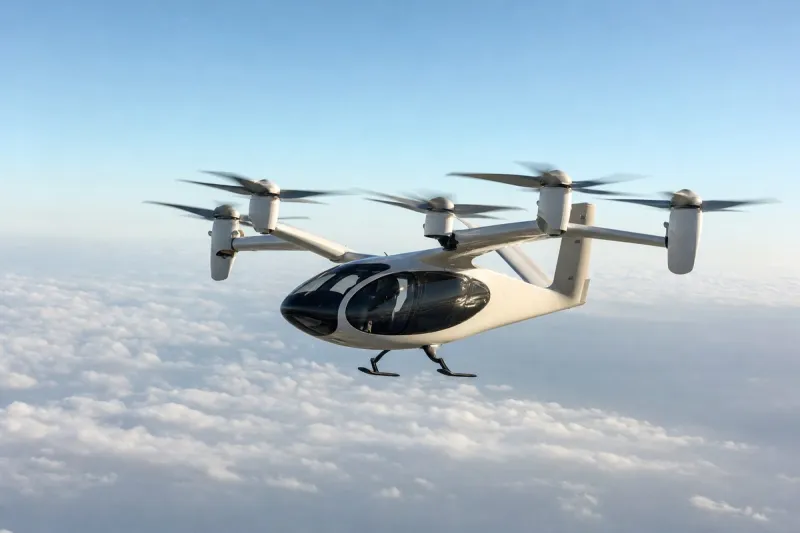
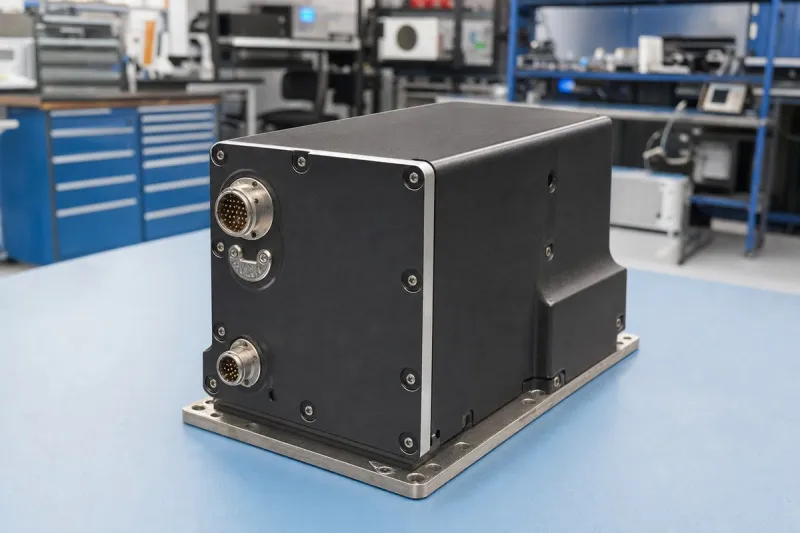
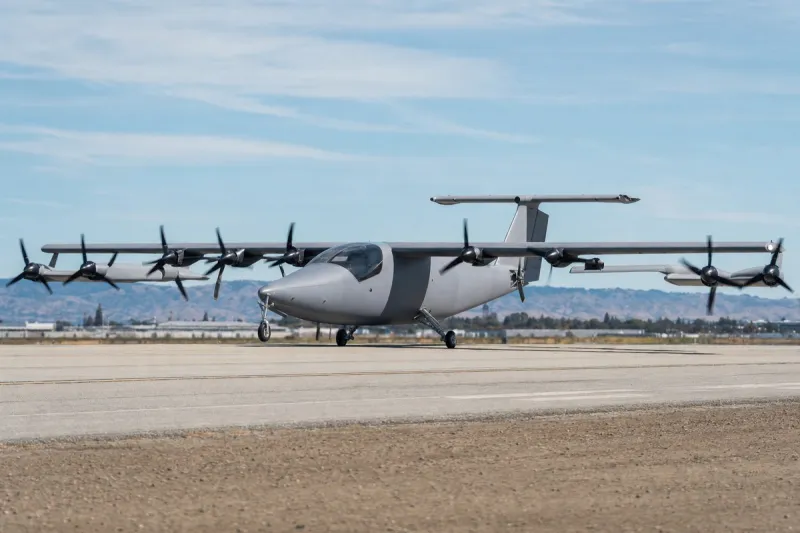
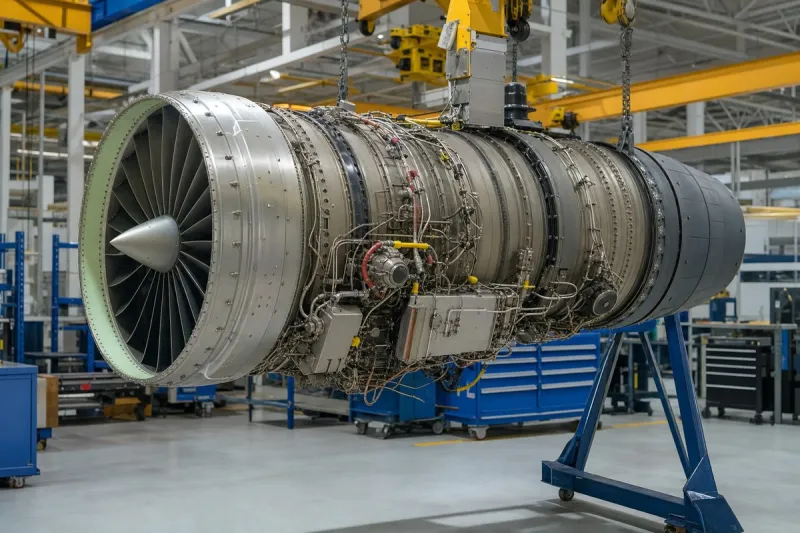
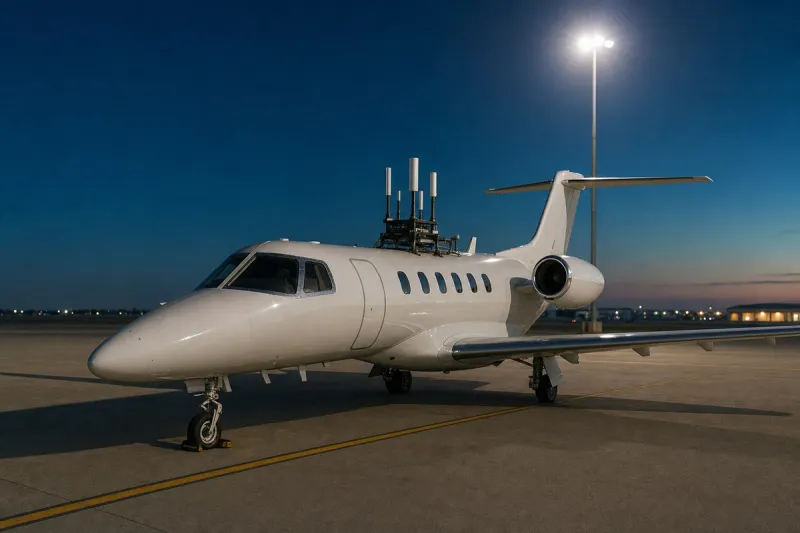
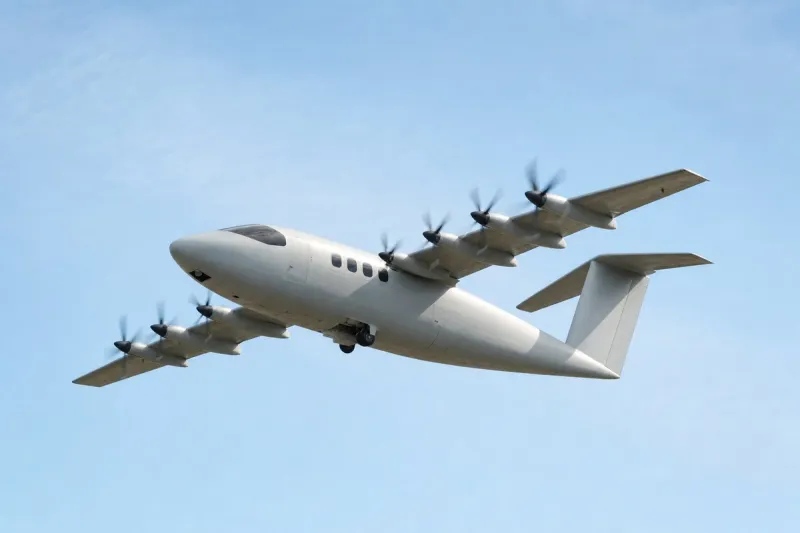
TAT Technologies (Nasdaq: TATT), an aerospace thermal management company, has announced a collaboration with Beyond Aero, a French aerospace company developing a hydrogen-electric business aircraft, to support the thermal management architecture of Beyond Aero's aircraft program. As part of the collaboration, Beyond Aero is integrating TAT Technologies' Universal Cooling System (UCS) into its ONE aircraft design.
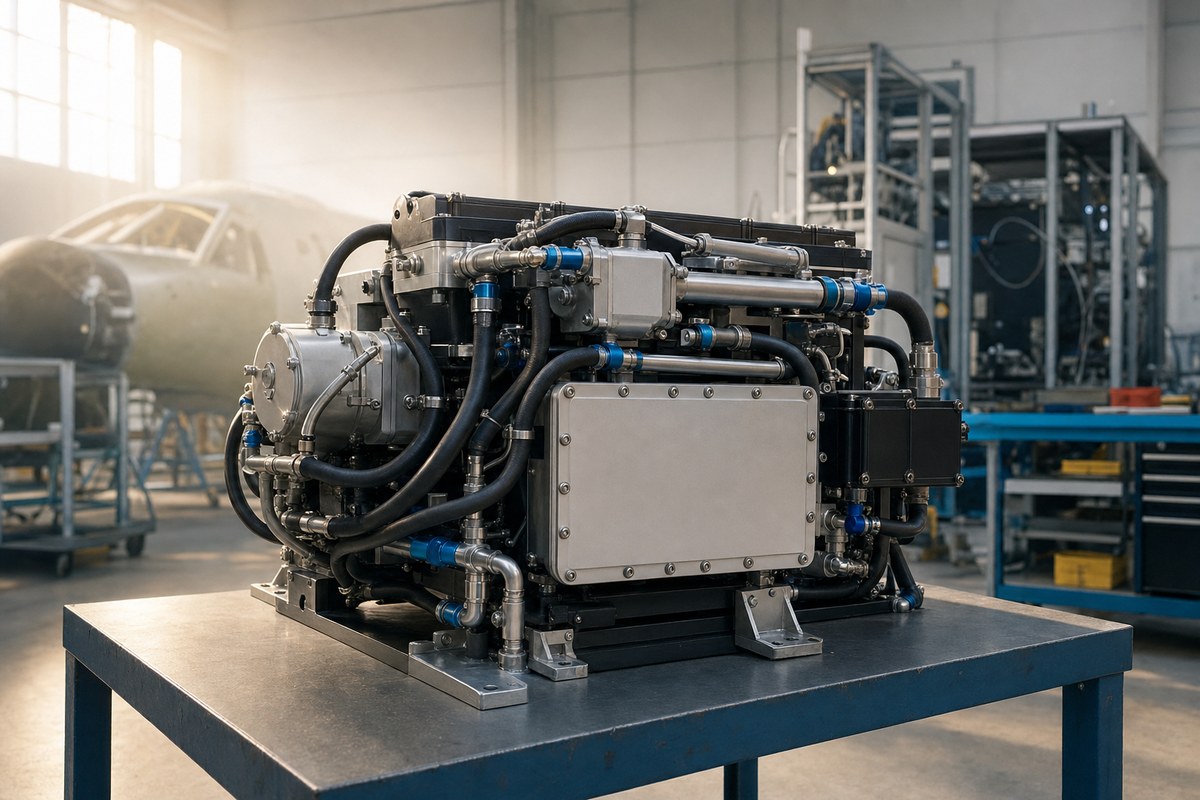
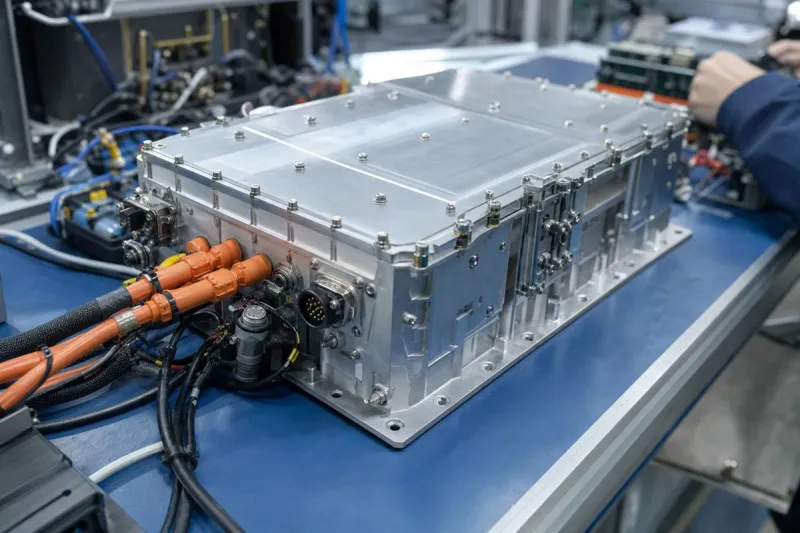
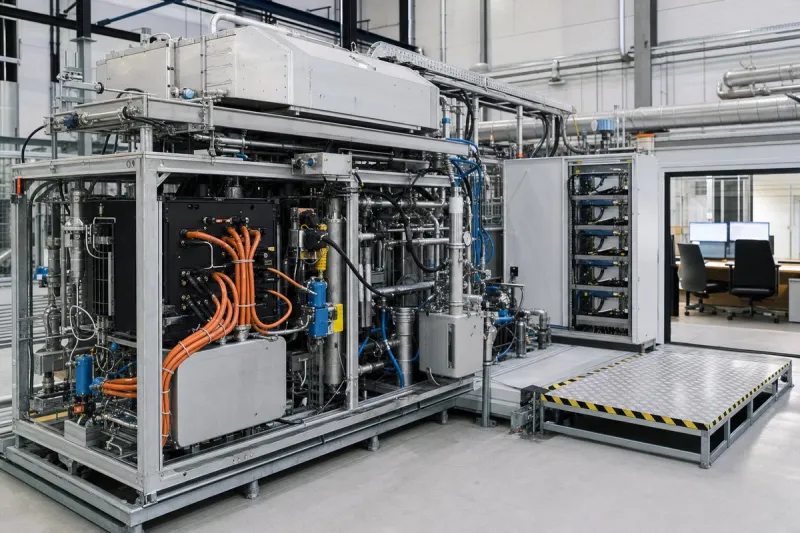
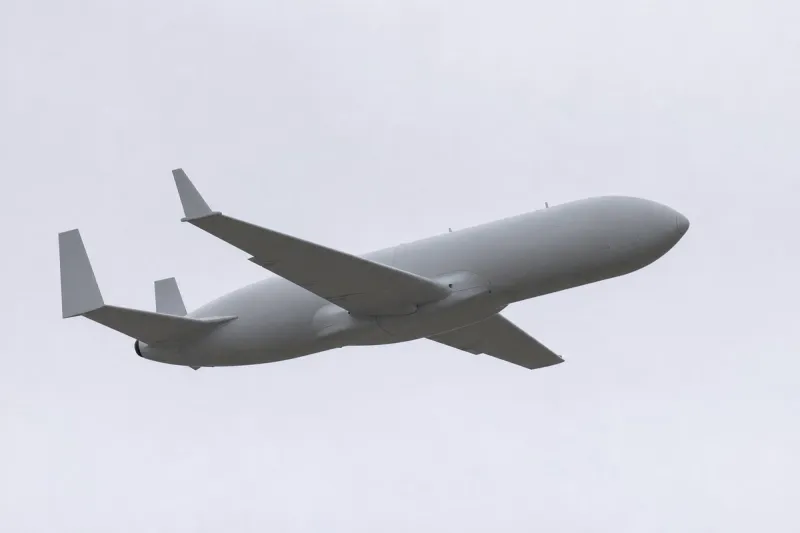
The UCS is described as a scalable, integrated thermal management solution designed to meet the size, weight, and performance requirements of next-generation electric and hydrogen-electric aircraft. Beyond Aero, founded in 2020, is developing a clean-sheet aircraft architecture based on hydrogen-electric propulsion intended to carry six passengers up to 800 nautical miles (1,500 km) — approximately five times farther than comparable battery-powered aircraft. The company focuses on fuel-cell propulsion, gaseous hydrogen tank integration, and advanced thermal management, and operates offices in Toulouse, Paris, and Los Angeles, with a team of more than 80 aerospace engineers.
Igal Zamir, CEO of TAT Technologies, said: "We are proud to support Beyond Aero as they move this technology forward. Our Universal Cooling System was designed with flexibility, efficiency, and reliability in mind — critical attributes for emerging aircraft platforms like Beyond Aero's." Yannick Schwartzenbart, Head of Program Industrialization at Beyond Aero, said: "Partnering with TAT Technologies is an important step in building the industrial ecosystem around our hydrogen-electric aircraft program. Their experience with leading aerospace customers and mission-critical thermal systems strengthens our ability to develop a reliable, high-performance aircraft architecture while reducing dependence on conventional fuels."
Industry impact & what to watch
This collaboration illustrates a common pattern in emerging propulsion programs: a startup with a clean-sheet airframe concept pairs with an established systems supplier to de-risk a component that is otherwise a bottleneck for certification and performance. Hydrogen-electric and fuel-cell aircraft face thermal loads that differ sharply from conventional turbine platforms, so a cooling architecture built for flexibility across multiple aircraft types gives a supplier like TAT Technologies a foothold across several developers rather than a single customer.
For Beyond Aero, the range figure — 800 nautical miles versus roughly a fifth of that for comparable battery-powered aircraft — depends on solving weight and thermal management simultaneously, since fuel cells and hydrogen tanks both generate and are sensitive to heat. Bringing in a supplier with experience serving established aerospace customers signals an effort to build a credible industrial supply chain ahead of any certification milestone, even though no certification timeline or flight-test date was disclosed here.
What comes next for outside observers is whether Beyond Aero names additional systems partners for propulsion, hydrogen storage, or avionics, and whether any flight-test or certification schedule is announced. Until such milestones are confirmed, the collaboration marks a design-integration step rather than a validated performance outcome.