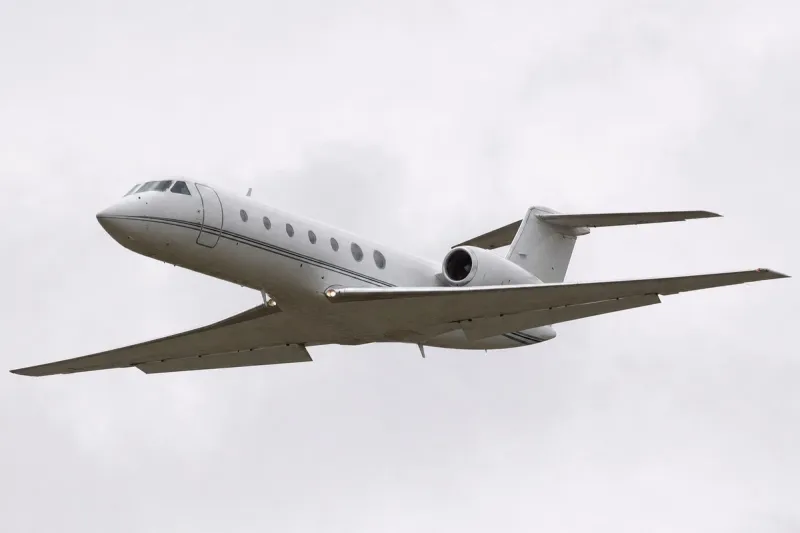
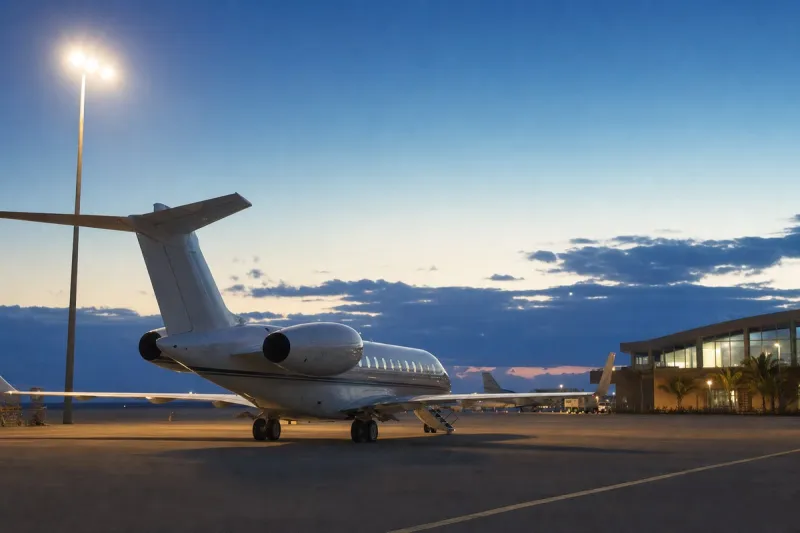
Retired Boeing 727 converted into bookable overnight accommodation in Bristol, England
Why It MattersRetired airliners are finding a second commercial life as novelty hospitality assets, showing how end-of-life aircraft value can shift from scrap or parts recovery toward experiential reuse.
What happened
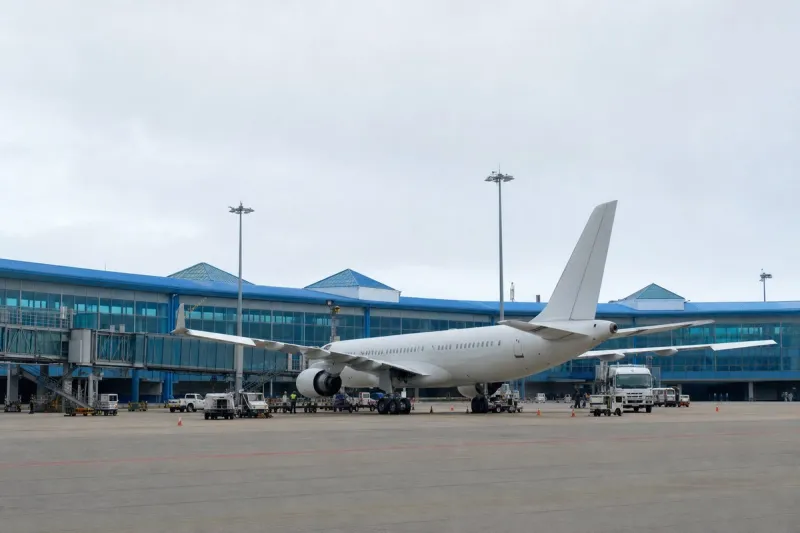
A decommissioned Boeing 727 has been converted into a short-term rental property on an industrial estate on the edge of Bristol, England, offering guests an overnight stay inside a 1,000-square-foot retro luxury interior without leaving the ground. The aircraft, known as PytchAir, first flew in 1967 and joined the Japan Airlines fleet in 1968.
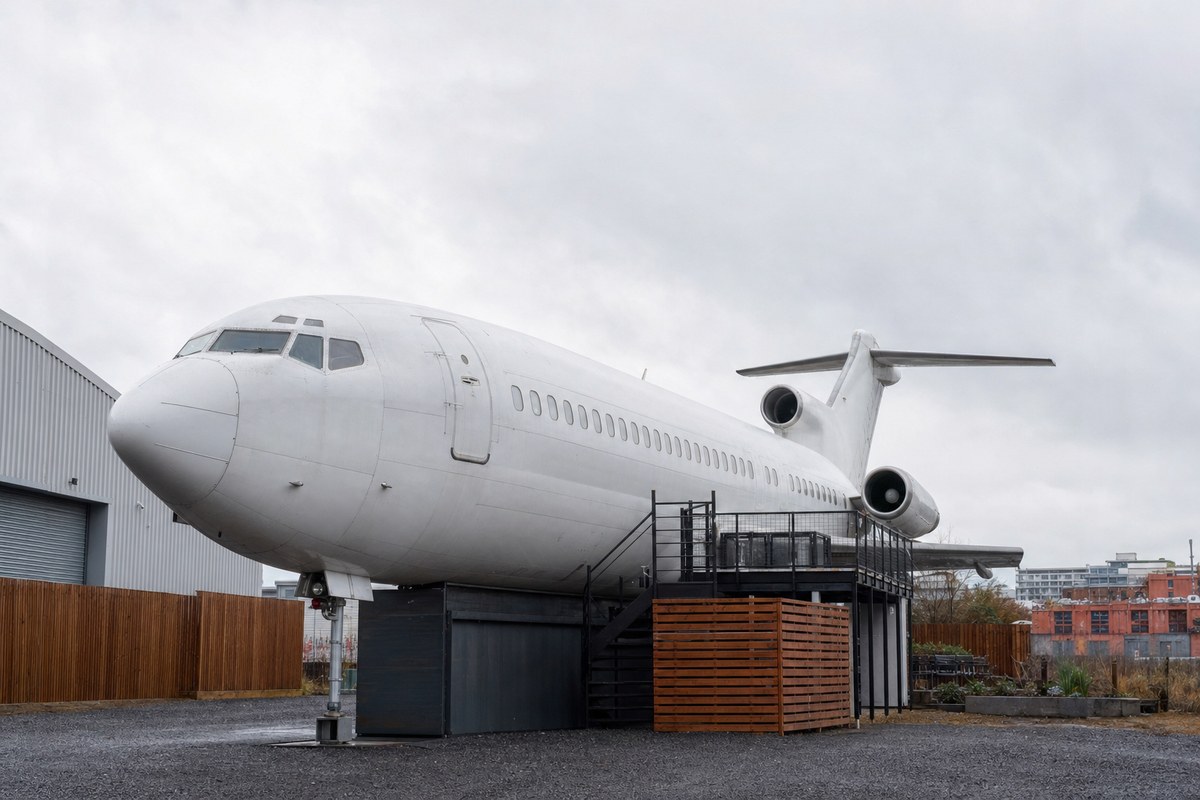
In 1981 it was retrofitted as a private jet for wealthy clients, operating for three decades before being decommissioned in 2012. It then sat in an aircraft boneyard in the west of England until local entrepreneur and activist Johnny Palmer acquired it. Its wings and engines were removed, and the fuselage was transported by road to its current Bristol location, where it rests atop a stack of shipping containers.
Palmer originally purchased the aircraft as a recreational space for his children's parties and sleepovers, then listed it on short-term rental platforms after the novelty faded. The interior, preserved in its 1980s decor, includes two lounges, a primary bedroom with a king-size bed, an en suite bathroom with shower, a fully equipped kitchen, and the original open flight deck where guests may freely operate buttons and switches. An outdoor hot tub and sauna are also available on site, and the property is powered entirely off-grid via solar panels and a wind turbine that generates more energy than it consumes. Palmer operates a trust-based system, asking guests only not to steal items or stain the carpets.
The lavish 1980s interior has fuelled unsubstantiated rumours of a past connection to Colombian drug lord Pablo Escobar. Palmer says the location on what appears to be a light industrial estate is secured by floodlights, security cameras, and high palisade fencing, and he deliberately uses exterior photos showing shipping containers and a rubbish bin so prospective guests know what to expect on arrival. The accommodation has attracted particular interest from aviation enthusiasts, including a pilot who recently brought his son to experience the flight deck controls, and bookings have grown following media coverage, with vacancies sometimes difficult to find.
Industry impact & what to watch
This case sits alongside a broader pattern of retired commercial and private aircraft being repurposed rather than scrapped once their flying life ends, turning airframes that would otherwise sit in a boneyard into standalone assets with their own commercial identity. A jet that spent three decades as a private aircraft for wealthy clients has, after decommissioning, found a second market entirely outside aviation operations.
The economics here differ sharply from parts recovery or teardown, which typically monetize an airframe through its engines, avionics, and structural components. Removing the wings and engines and relocating just the fuselage suggests the value now lies in the cabin experience itself — the flight deck, the period interior, the novelty of an overnight stay — rather than in any residual airworthiness or component value.
What happens to bookings and guest interest as media attention fades will indicate whether this is a durable niche or a short-lived curiosity tied to press coverage.