Retired Astronaut Butch Wilmore Delivers Keynote on Operational Excellence at 2026 Citation Jet Pilots Association Convention
Why It MattersThe account reinforces that structured pilot training built around prioritized task discipline, rather than scenario-specific rehearsal, is what carries crews through failures no checklist anticipated.
What happened
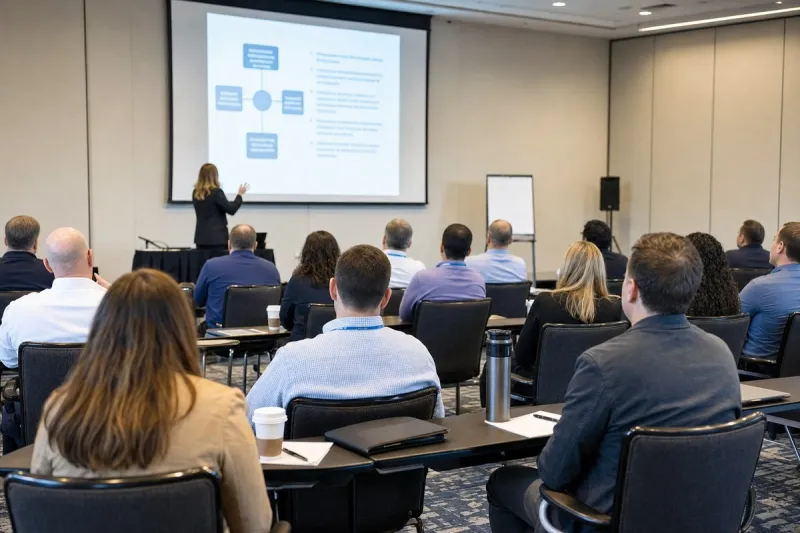
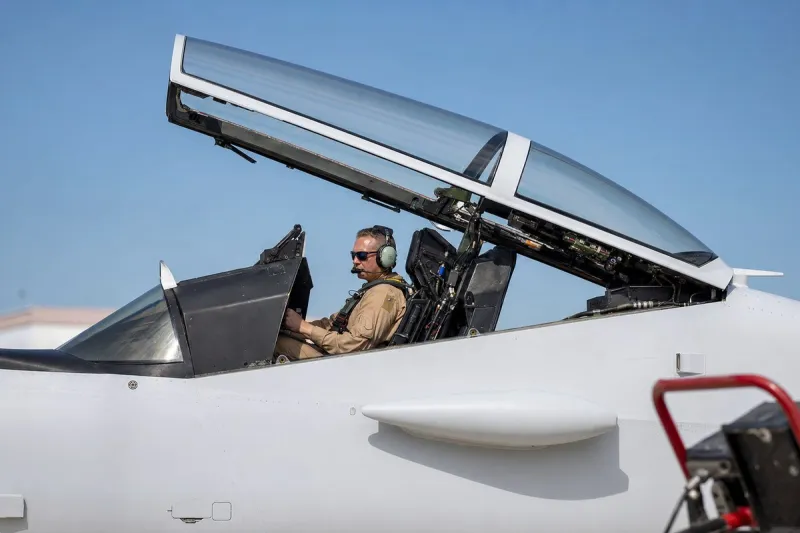
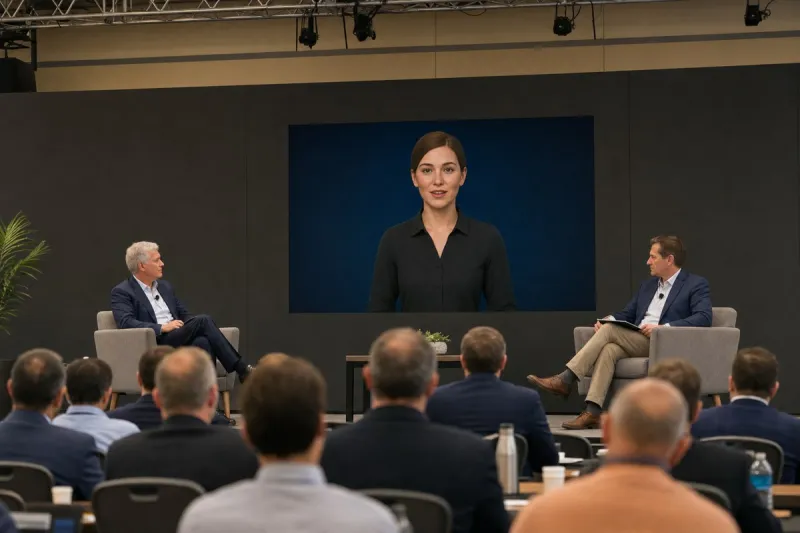
Retired NASA astronaut and former U.S. Navy F-18 pilot Barry "Butch" Wilmore delivered the keynote address at the 2026 Citation Jet Pilots Association convention, drawing on his experience aboard the Boeing Starliner crewed test flight to argue that preparation-driven operational excellence can transform life-threatening situations.
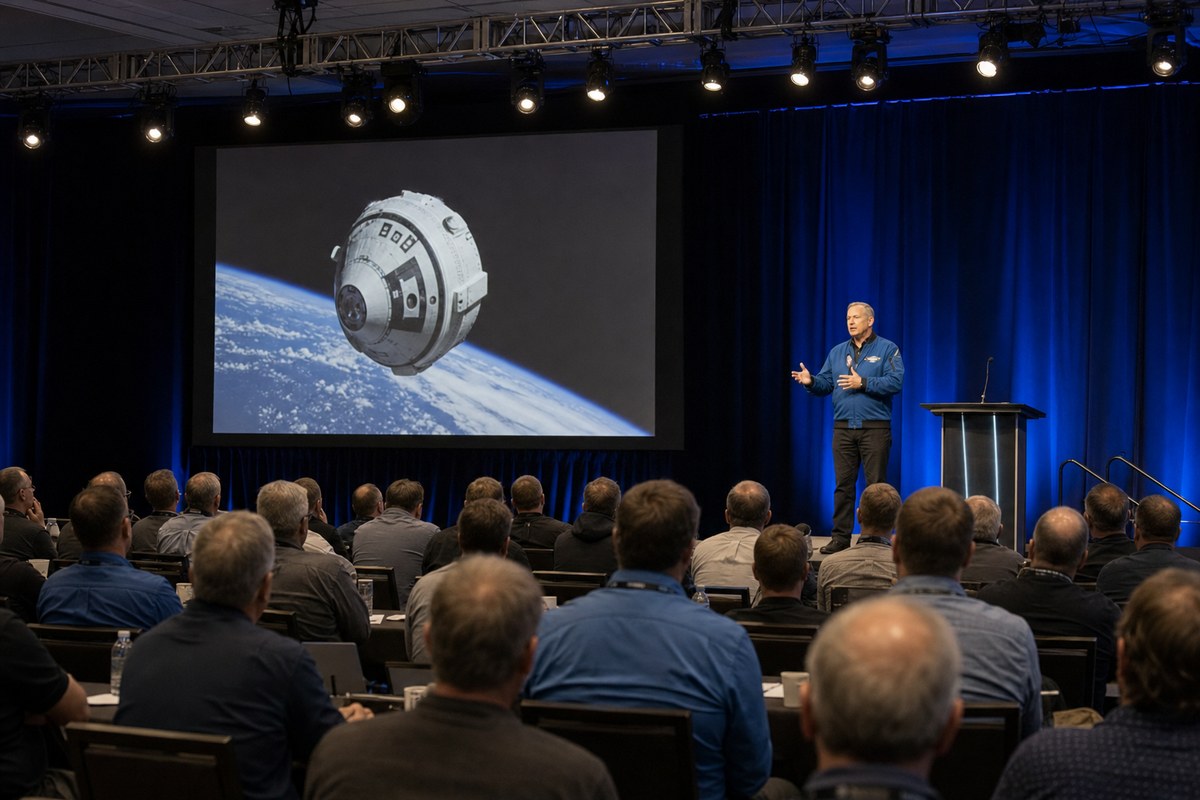
Wilmore described losing seven of 12 thrusters on the Starliner while attempting to dock with the International Space Station. "As a pilot, we aviate, navigate, and then communicate," he told attendees. "During the thruster failure, my focus was solely on aviating." Mission control was ultimately able to restore all but one thruster, allowing the capsule to dock with the ISS.
Because the cause of the thruster failures remained unknown at the time, the Starliner was deemed unsuitable to return Wilmore and crewmate Sunita Williams to Earth as originally planned three weeks later. The two astronauts remained stranded on the ISS for an additional eight months before returning to Earth aboard a SpaceX Dragon capsule on March 18, 2025.
Wilmore noted that his prelaunch training had not included a scenario as extreme as the thruster failure, but said the preparation and breadth of his experience guided him through the incident. He closed with a maxim on airmanship: "Superior aviators need to use their superior preparation and judgment to avoid having to use their superior skills."
Industry impact & what to watch
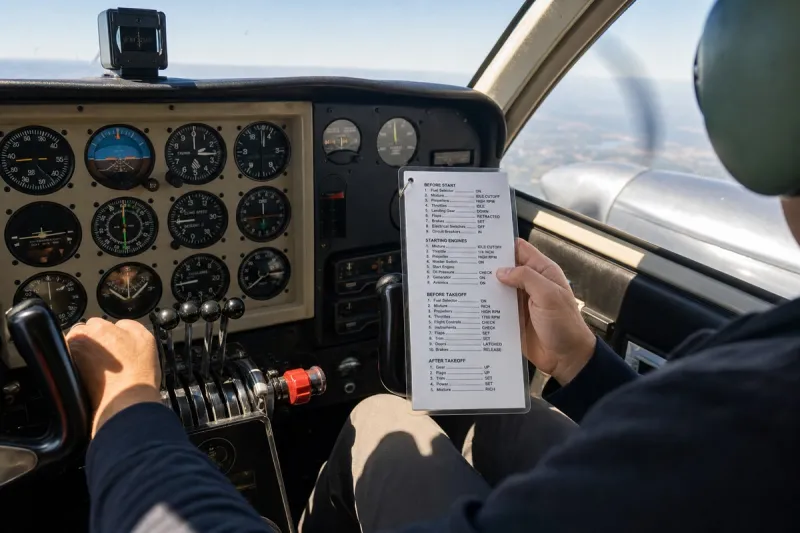
Wilmore's account belongs to a familiar category in aviation training: a pilot facing a failure mode outside any rehearsed scenario, relying instead on a sequencing discipline learned across a career rather than a specific procedure for that exact fault. The aviate-navigate-communicate hierarchy he cited is not unique to spaceflight; it is the same triage logic taught throughout fixed-wing and business-jet instruction, and his description of applying it under thruster loss is a case study in transferring that discipline across vehicle types.
For an audience of Citation jet pilots, the relevance sits less in the specifics of Starliner's propulsion and more in the underlying claim: that breadth of experience and preparation, not scenario-matching, is what closes the gap when a real failure diverges from any briefed contingency. That is how recurrent training and type-rating programs are generally justified to operators — not as coverage of every possible fault, but as building the judgment to prioritize correctly when none of the rehearsed cases fit.
What happens next with the underlying Starliner thruster investigation, and whether its findings reshape crewed test-flight procedures, was not addressed in Wilmore's remarks at the convention.