Decorah Municipal Airport Opens $2.2 Million Terminal and Hangar at Ribbon-Cutting Ceremony
Why It MattersSmall general-aviation airports increasingly lean on federal and state grants to fund terminal and hangar upgrades, with local matches kept comparatively small to sustain maintenance operations and attract future fixed-base operators.
What happened
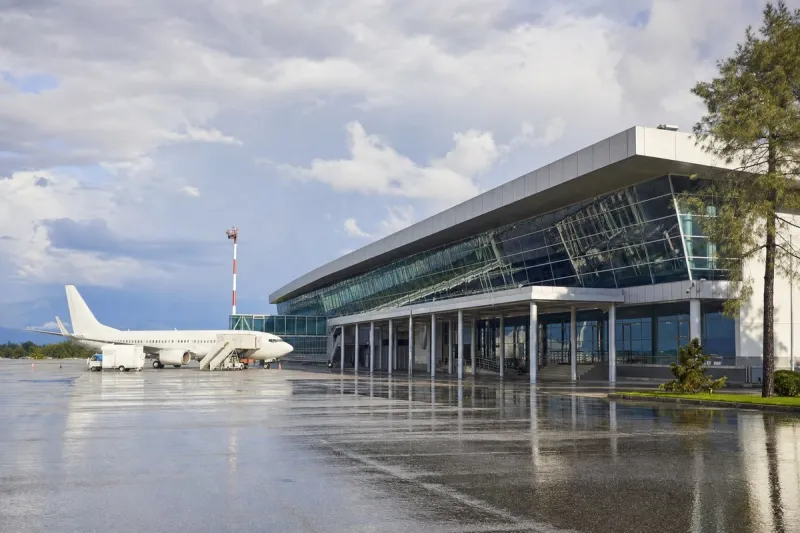
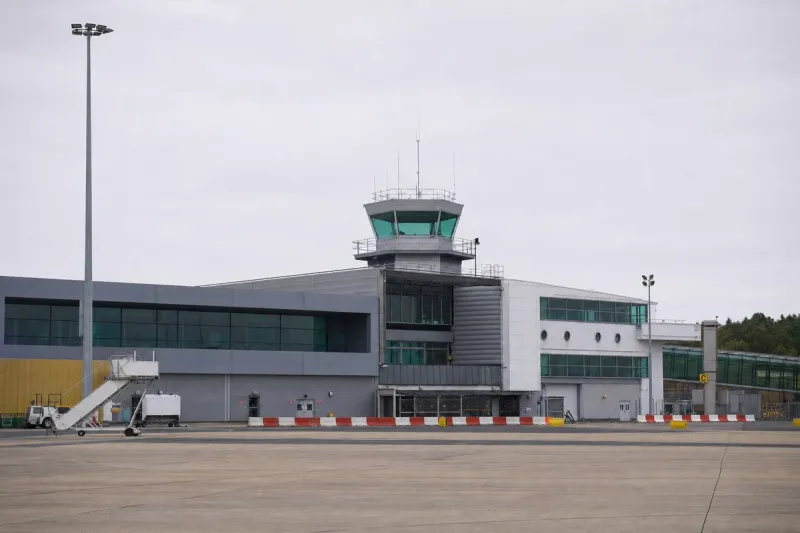
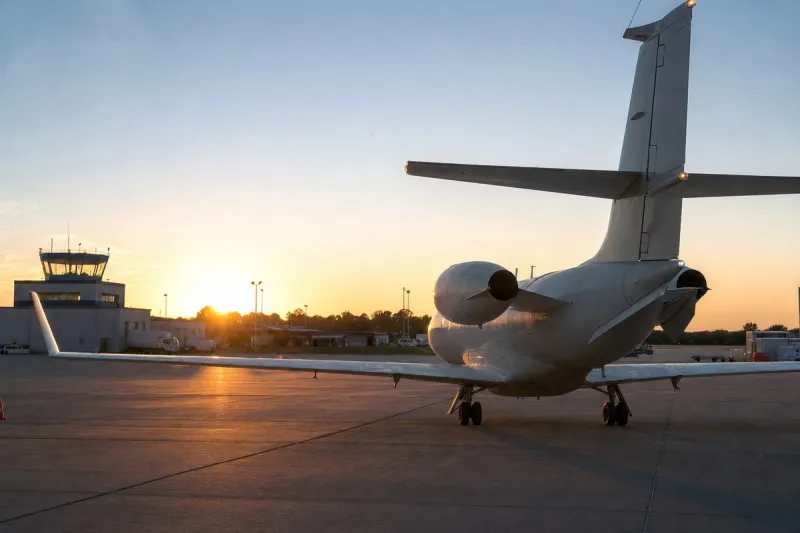
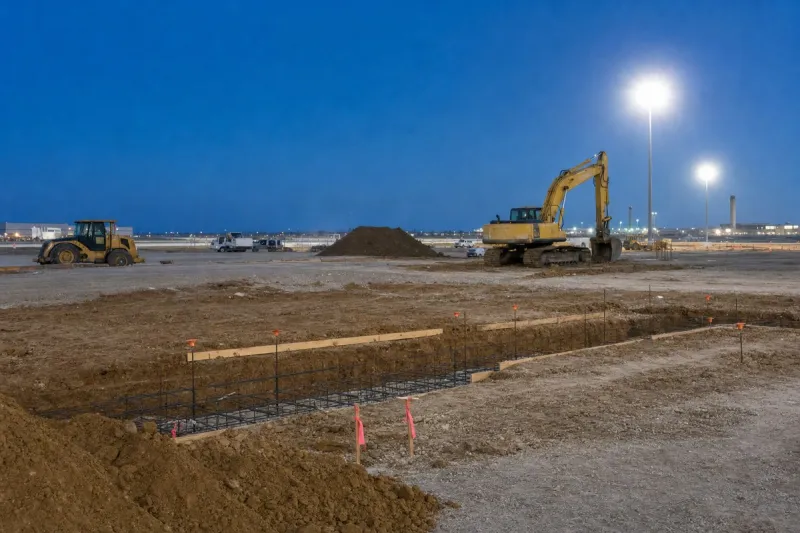
Local officials, Chamber ambassadors and community members gathered Wednesday at Decorah Municipal Airport in Decorah, Iowa, for a ribbon-cutting ceremony marking the completion of $2.2 million in improvements, including a new terminal building and hangar. City Manager Travis Goedken said the project was funded largely by federal and state grants, with a local match of approximately $300,000. Mayor Andy Carlson said the improvements replace an older airport lounge and provide a more welcoming arrival point for visitors flying into the area.
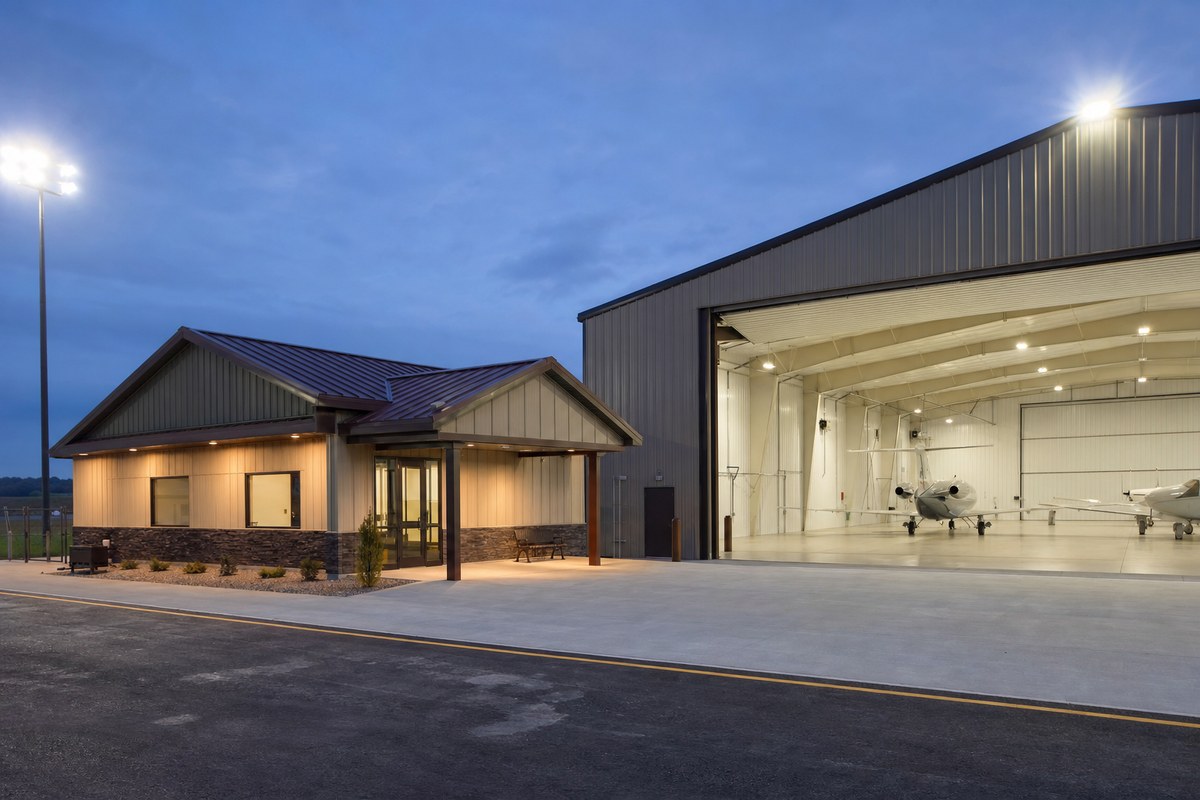
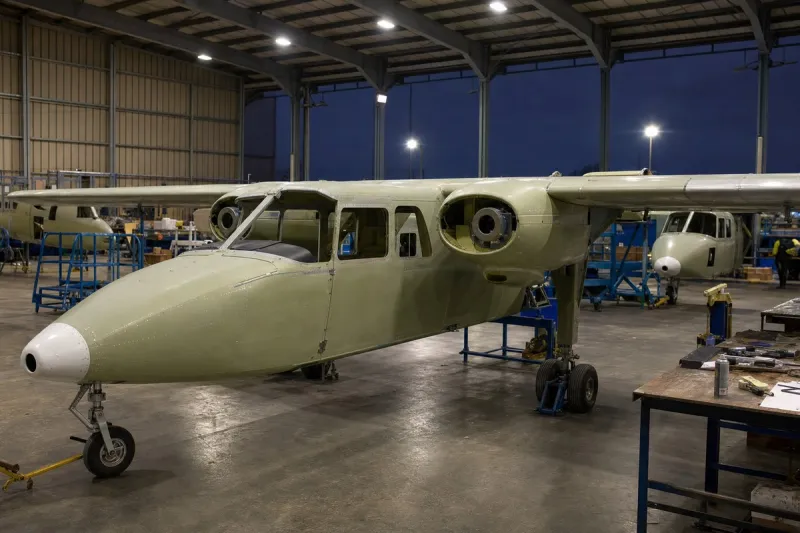
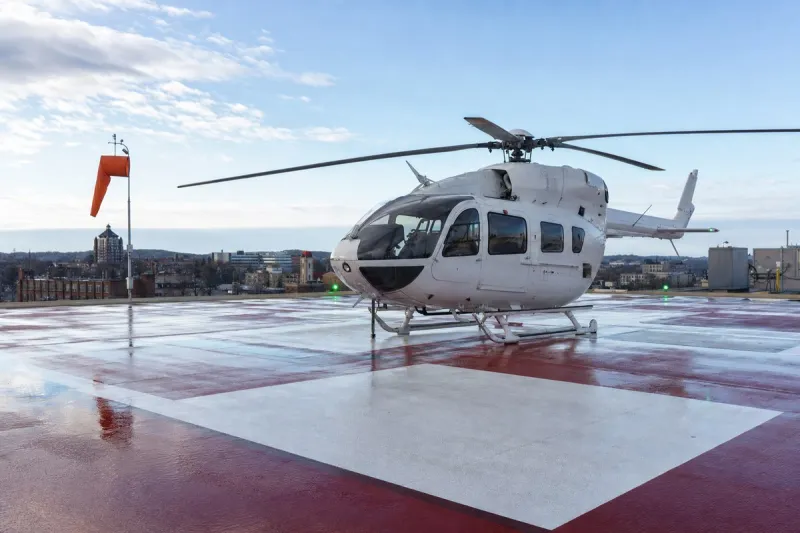
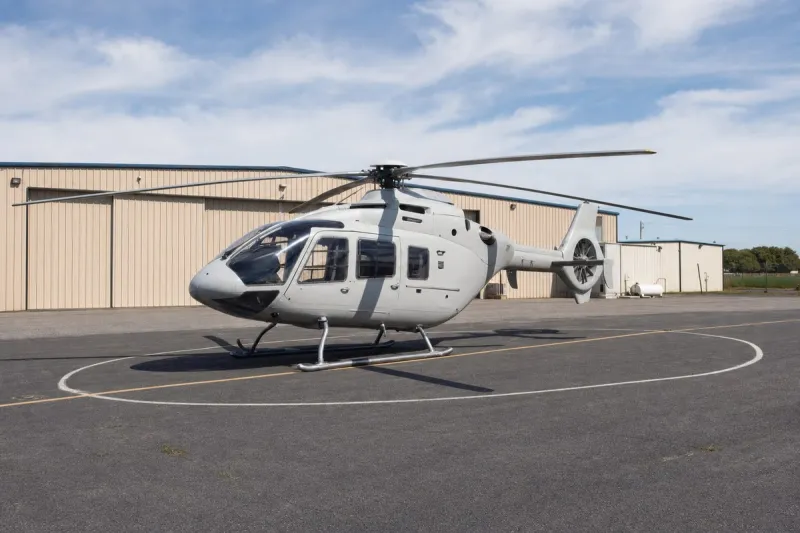
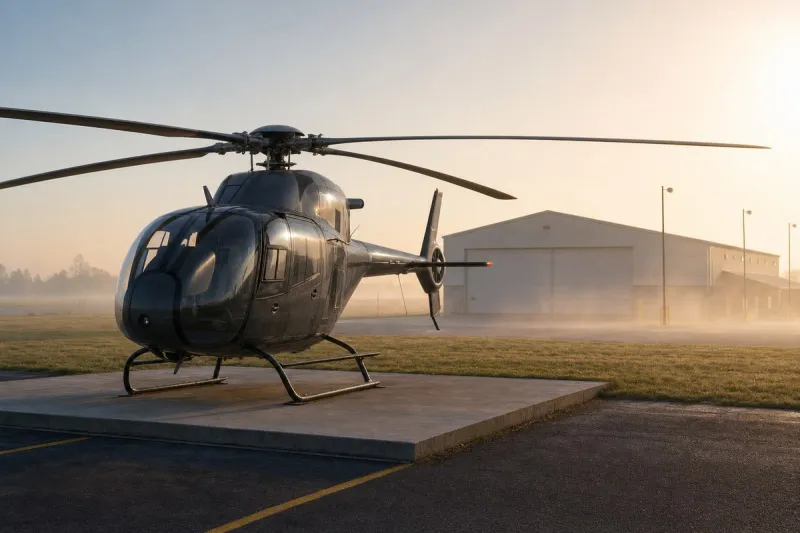
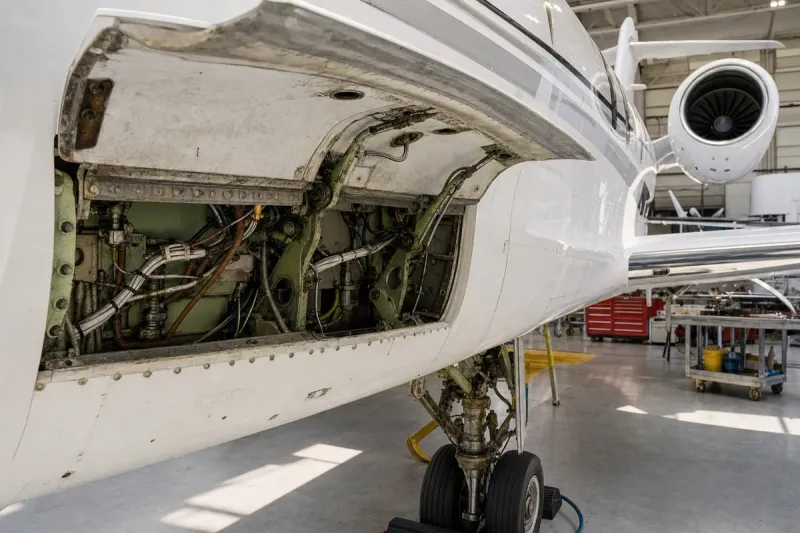
The new terminal measures 6,400 square feet and includes a pilot's lounge of approximately 1,800 square feet and an ADA-accessible bathroom, along with a 30-kilowatt solar installation on the roof. The new hangar is designed to support annual inspections, aircraft storage, engine overhauls and general maintenance services, replacing a 60-by-80-foot structure that had been in poor condition. Fixed-base operator Mike Connell said the airport's maintenance operation has provided full-service aircraft work for 33 years and that the facility handles about 1,200 aircraft movements per year; the airport also has a helicopter based on site.
Adam Thompson, Aviation Team Leader at McClure Engineering, said his firm has worked with approximately 30 airports across Iowa and has been involved with the Decorah project for nearly five years, from conceptual planning through design and construction. Goedken said the new facilities are intended to support the airport's long-term future by sustaining maintenance operations and helping attract future fixed-base operators. The facility had been in operation for about a month before the ribbon-cutting, though some punch-list items remained to be completed, and community members were invited to tour the new terminal following the ceremony.
Industry impact & what to watch
Small-city municipal airports rely heavily on federal and state grant programs to replace aging infrastructure, with local governments typically covering only a modest share of total project cost. The Decorah case illustrates that pattern directly: a roughly $300,000 local match unlocked $2.2 million in facilities, including a hangar built specifically to keep annual inspections, storage, engine overhauls and general maintenance under one roof.
For a general-aviation field, that kind of purpose-built maintenance hangar matters because it underpins the fixed-base operator's ability to keep offering full-service work and can make the field more attractive to additional FBOs down the line. With roughly 1,200 aircraft movements a year already recorded and a helicopter based on site, the new facility gives the existing operation more room to serve both based aircraft and visiting traffic.
What remains to be seen is how quickly the outstanding punch-list items are closed out and whether the completed hangar succeeds in drawing the additional fixed-base operators that city officials say they hope to attract.