RUSI report finds organised crime using general aviation across UK and Benelux but true scale unknown
Why It MattersThe findings suggest general aviation security policy will keep leaning on airfield restrictions and reporting mandates even though regulators lack a reliable measure of how much illicit traffic those tools actually catch.
What happened
The Royal United Services Institute published a report titled Organised Crime and General Aviation in the UK and Benelux in September 2026, concluding that organised criminal networks are exploiting general aviation to move drugs, people, cash and firearms across European borders, while the true scale of the problem remains unknown. The research was conducted between January and June 2026 and drew on published material, analysis of known trafficking cases, classified UK intelligence assessments, and interviews with 30 specialists from law enforcement, government, aviation authorities and other organisations, covering private jets, light aircraft, helicopters and drones across the UK, Belgium, the Netherlands and Luxembourg.

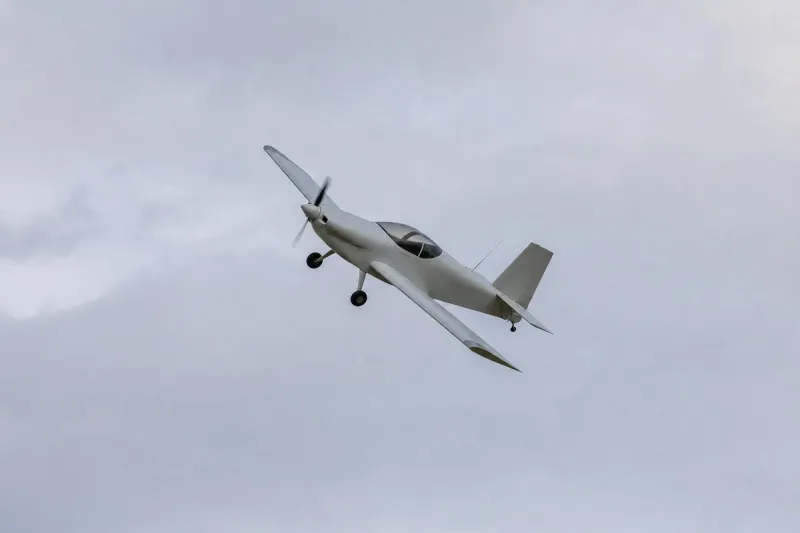
The report documents several known cases: a small aircraft that dropped cocaine into rural Dorset after entering the UK without required documentation; the 2018 seizure of cocaine from a private jet at Farnborough Airport; an aircraft flown from Belgium to North Weald carrying 30 kg of cocaine hidden beneath passenger seats despite its transponder being switched on and full cross-border documentation submitted; and a 2016 case involving a helicopter carrying cocaine and heroin from Belgium that descended below radar coverage and made an unscheduled landing in Kent before continuing on.
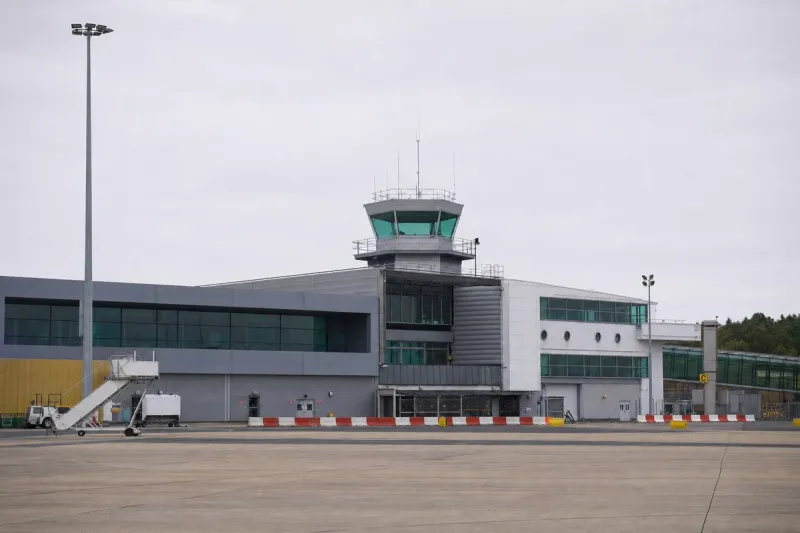
Border Force recorded 77,316 general aviation arrivals into the UK in 2025, while earlier Home Office estimates put annual international general aviation movements to and from the UK at between 140,000 and 200,000. The UK has 3,135 recorded aerodromes, airfields and helipads, of which 538 were approved in June 2026 to receive international or Common Travel Area flights, following a January 2024 government restriction on the number of sites permitted to handle international movements.
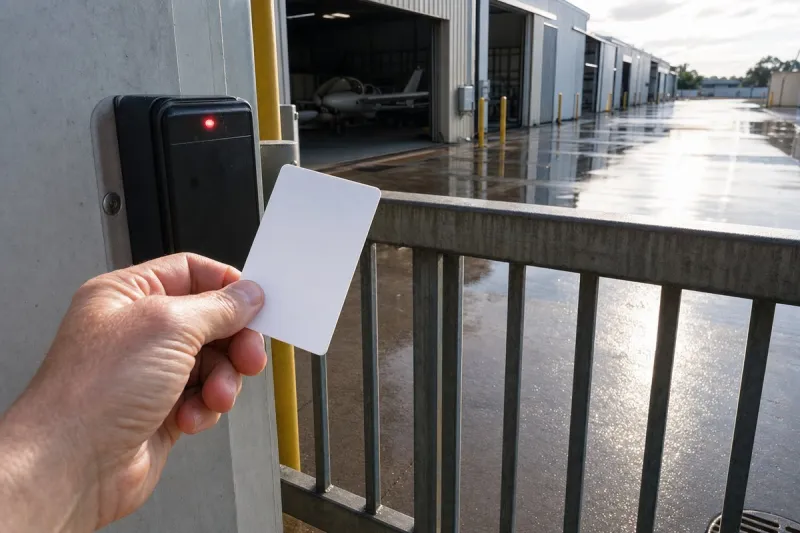
On the General Aviation Report system, the report notes that the General Aviation Regulations 2024 made digital submission compulsory, introduced defined reporting times, and set penalties of up to £10,000 for non-compliance. Around 3% of GARs inspected are now identified as non-compliant, compared with an estimated compliance rate of around 90% before the reforms, though the authors note GAR information is self-declared and cannot be physically checked for every flight.
On drones, HM Prison and Probation Service recorded 1,712 drone incidents in the year to March 2025, a 43% increase on the previous year, with criminal drone activity in the UK currently dominated by prison deliveries. The report cites Spanish investigations that uncovered drones capable of carrying roughly 10 kg for 50 km and modified fixed-wing aircraft able to fly more than 200 km, without asserting that comparable cross-border operations are currently occurring between Britain and the continent. RUSI makes ten recommendations, including giving general aviation greater prominence in national security planning, improving intelligence gathering and international information sharing, further reducing the number of UK airfields permitted to handle international flights, considering wider use of passenger name record information, mandating electronic conspicuity, more frequent risk-testing exercises, a centralised international register of revoked pilot licences, a dedicated multi-agency structure for criminal drone activity, and a cross-government steering group.
Industry impact & what to watch
This report belongs to a familiar category of security assessment: it establishes that a vulnerability exists and is being used, without being able to size it, because the very cases that get documented are the ones enforcement happened to catch. The Dorset, Farnborough, North Weald and Kent examples show varied methods, from undocumented entry to full paperwork submitted with the transponder on, which itself demonstrates that visible compliance and criminal use are not mutually exclusive.
General aviation oversight works by balancing volume against inspection capacity: Border Force logs tens of thousands of arrivals a year against a shrinking pool of airfields cleared for international traffic, and the GAR system's shift to digital submission has lifted detected non-compliance from an estimated 90% pre-reform compliance to roughly 3% flagged as non-compliant today. That shift reflects better detection tooling more than it proves underlying criminality has fallen, since the underlying declarations are still self-reported and unverified aircraft by aircraft.
Drones sit on a separate track for now: the 43% rise in prison-related incidents is a domestic enforcement problem, while the Spanish cases RUSI cites on range and payload are flagged as a future risk rather than a documented cross-border trafficking pattern with the UK today. What happens to RUSI's ten recommendations, particularly further cuts to the list of international-capable airfields, mandatory electronic conspicuity and a revoked-licence register, will determine whether policy moves ahead of the evidence gap or waits for better intelligence sharing to close it first.