Airbus A350's Carbon Fiber Fuselage Poses Major Inspection and Repair Challenges After Hard Landings
Why It MattersComposite-intensive airframes shift maintenance economics toward specialized non-destructive testing and multi-day groundings, raising the operational cost of hard-landing events compared with legacy aluminum fleets.
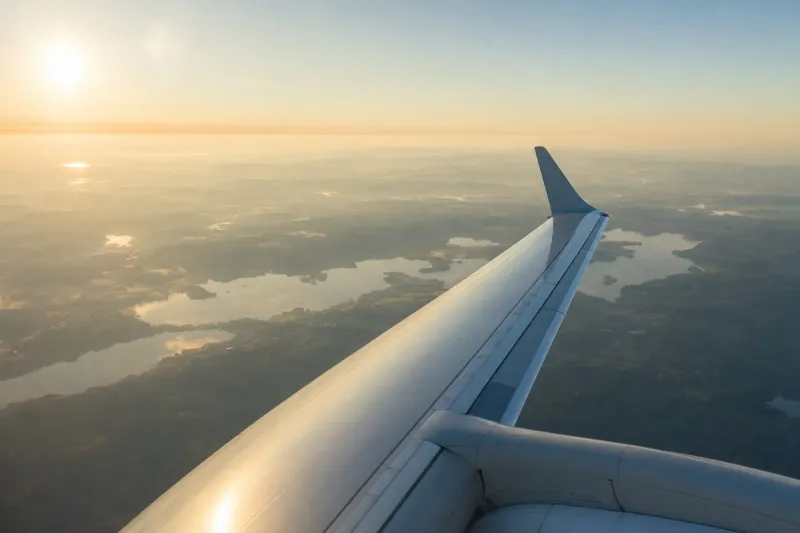
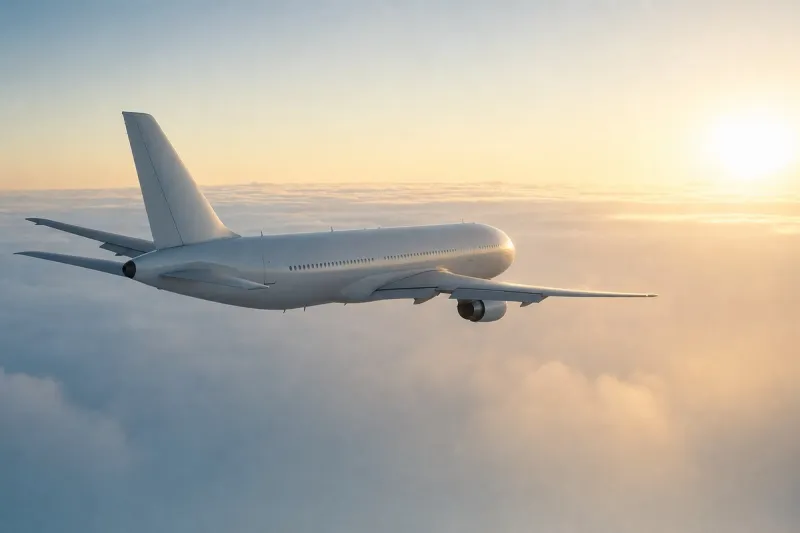
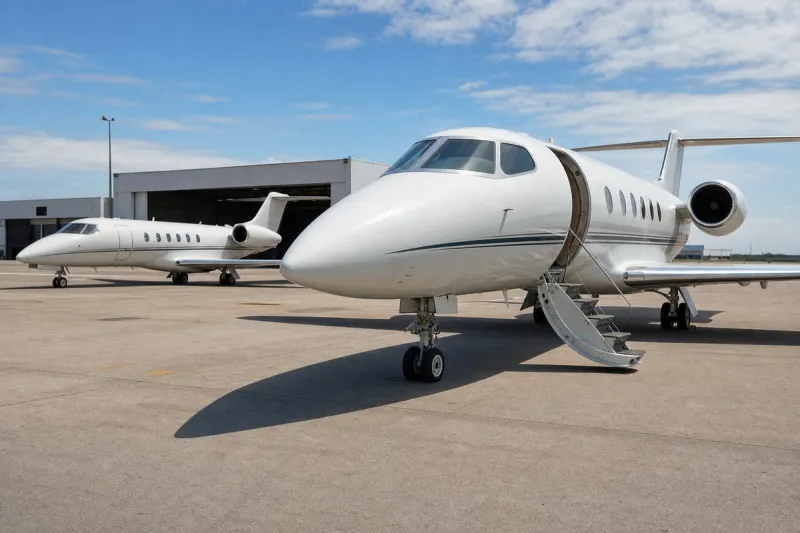
The Airbus A350XWB is built with approximately 53% composite materials by weight, rising to roughly 70% when all advanced materials are counted, making it one of the most composite-intensive commercial aircraft produced. Operators including Delta Air Lines, Qatar Airways, and Singapore Airlines gain up to 25% lower fuel burn and up to 1,500 nautical miles more range than the A330, but the carbon fiber fuselage complicates recovery after hard landings, since composite structures can flex and rebound while sustaining hidden internal damage known as Barely Visible Impact Damage, invisible on the outer surface unlike the dents aluminum shows under overload.
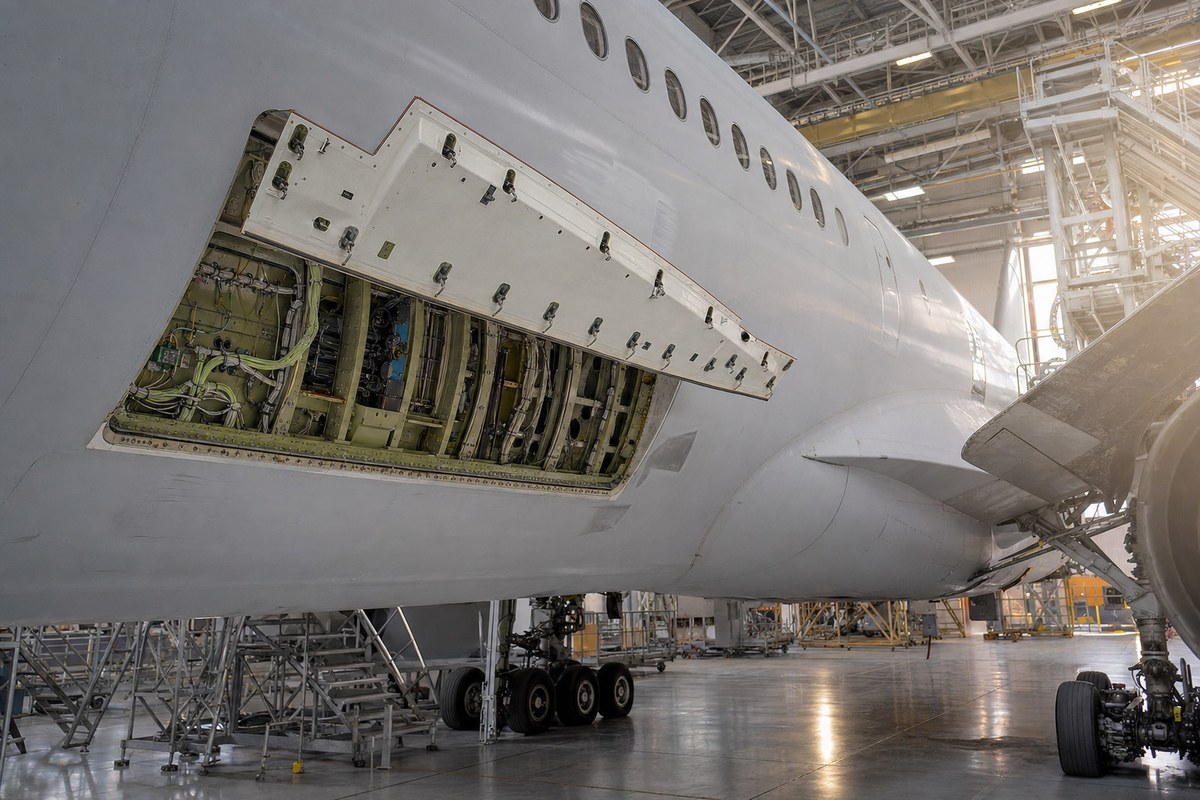
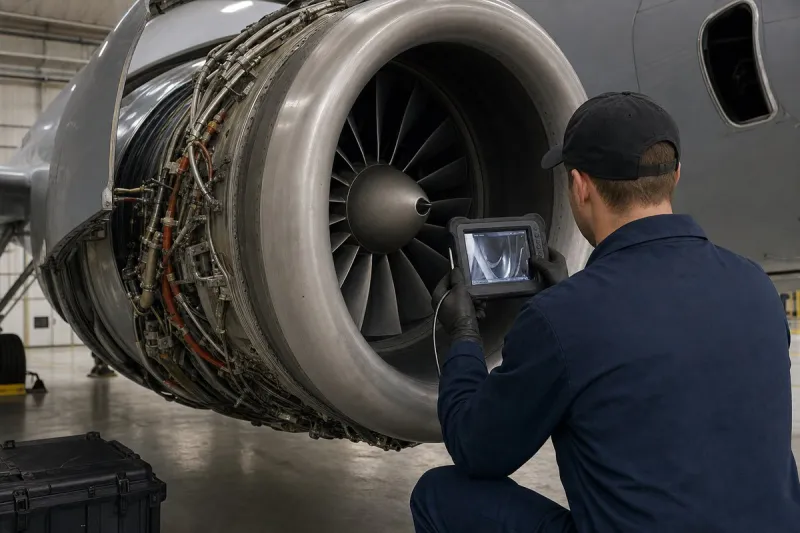
Airbus mandates ultrasonic inspections after hard landings to detect crushed core material or delamination between bonded layers; these inspections are labor-intensive and can keep an A350 grounded for several days, according to Aerospace Testing International. The aircraft's landing gear is rated for vertical descent rates of up to 600 feet per minute at maximum landing weight without triggering a structural inspection requirement.
Repairs are more complex than on aluminum airframes because the A350 uses large, integrated structural sections rather than individually replaceable panels, requiring technicians to control temperature and humidity, sand away damaged layers, and rebuild composite plies with precisely matched fiber orientation. Airbus has developed a three-level repair classification, ranging from cosmetic tape fixes to standard structural repairs and major structural damage protocols for severe hard landings, ground equipment strikes, bird strikes, or landing gear incidents.
The issue was highlighted when Qatar Airways reported paint cracking and exposure of the lightning protection mesh embedded in the composite fuselage skin on part of its A350 fleet, after which regulators ordered 13 of those aircraft removed from service over concerns about accelerating deterioration of the carbon fiber reinforced plastic skin beneath the paint layer.