Ukrainian Drone Strikes Push Airlines and Insurers to Reassess Russian Airspace War Risks
Why It MattersInsurers pricing Russian airspace as higher-risk could raise premiums or strip coverage for carriers from China, Türkiye, India and the Gulf, eroding their route-cost advantage over Western rivals.
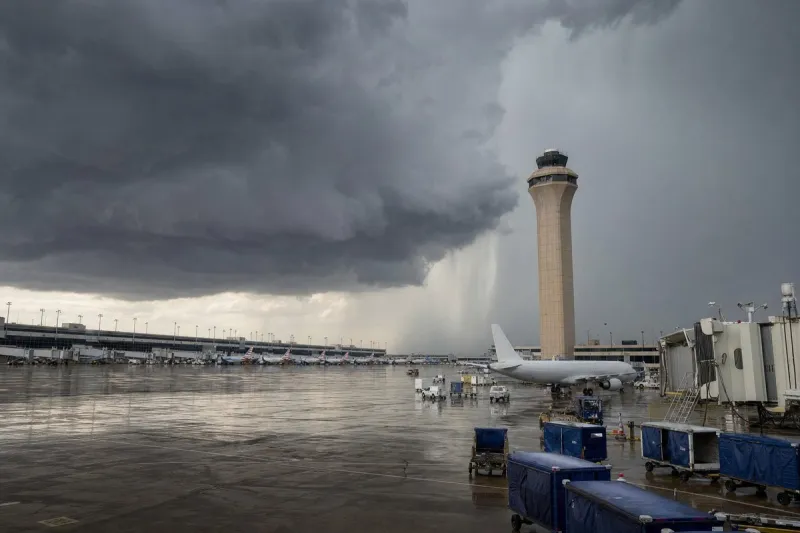
Russian airspace is becoming increasingly difficult and expensive for international airlines to operate in as Ukrainian drone strikes reach deeper into the country, forcing carriers and insurers to reassess war risks. On September 1, President Volodymyr Zelenskyy warned airlines, insurers and governments that the operating environment over Russia was growing increasingly unsafe. The following day, Ukraine's Foreign Ministry formally notified the International Civil Aviation Organization about the rising risks to civilian aviation. Kyiv has stressed it does not intend to target civilian aircraft; the concern centres instead on the growing presence of drones, air-defence activity and the possibility of civilian planes being caught in a dangerous operating environment.
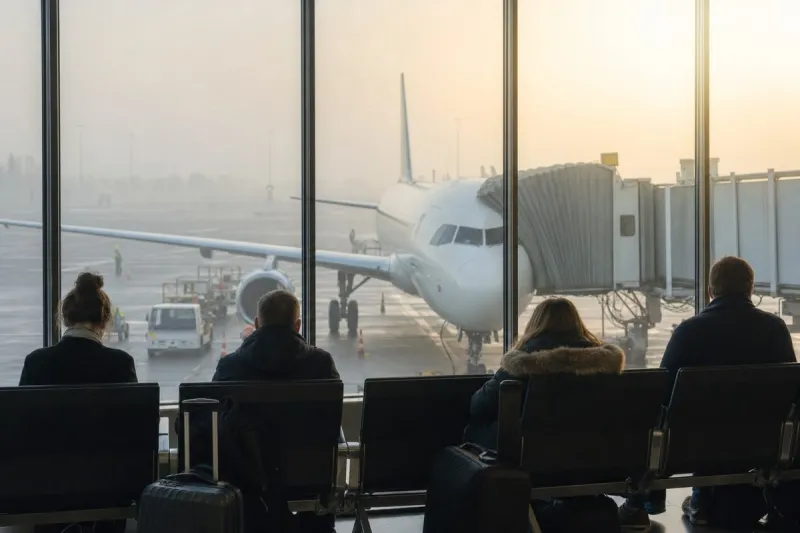
Because Ukraine cannot legally close Russian airspace itself, the practical decision may ultimately fall to airlines and their insurers. Carriers from China, Türkiye, India and the Gulf states, which continue to use Russian airspace on routes between Europe and Asia, could be particularly affected. Rerouting around Russia would mean longer flights, higher fuel consumption and increased operating costs, removing an advantage those carriers currently hold over Western competitors.
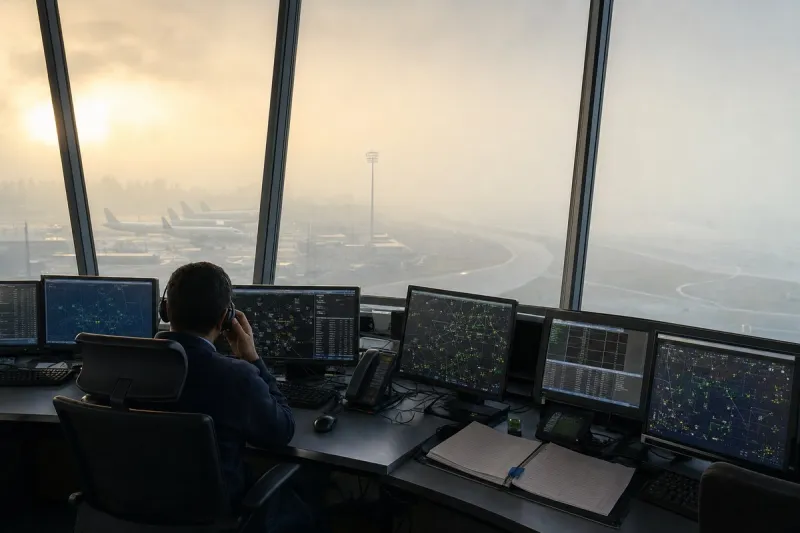
European aviation authorities have already classified parts of Russian airspace as high risk. Aviation risk consultancy Osprey Flight Solutions has warned clients that Ukrainian strikes deep inside Russia could continue, creating a risk of civilian aircraft being misidentified. Russia has repeatedly closed or restricted airspace around major cities during drone attacks, disrupting flights and forcing last-minute adjustments that bring delays, additional fuel costs and higher operational expenses.
If insurers begin pricing Russian airspace as a substantially higher-risk environment, carriers could face increased premiums or lose coverage altogether, making some routes economically unattractive even without a formal government ban.