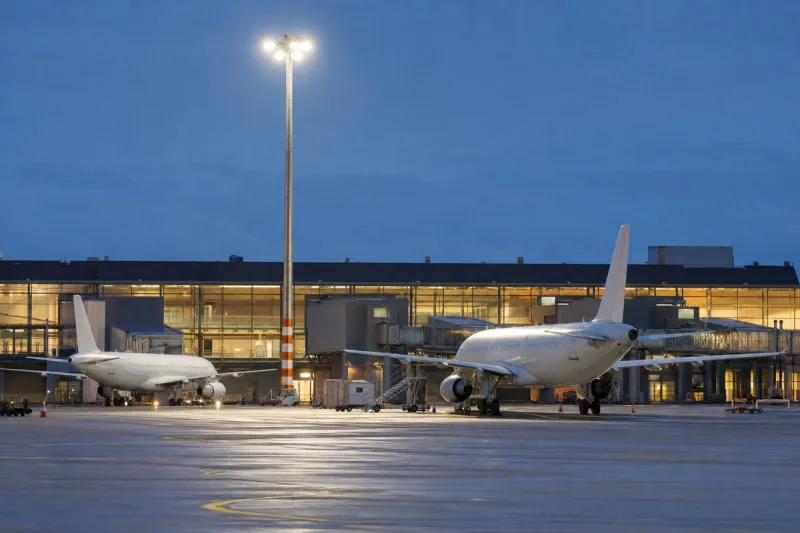
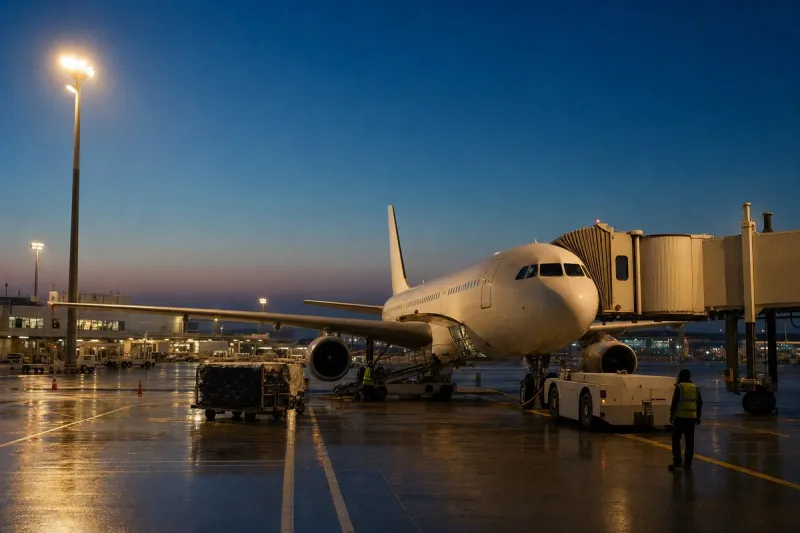
FAA Issues Safety Alert on Runway Incursion Risk at Parallel-Runway Airports, Citing 15 Incidents at LAX
Why It MattersThe alert shows how airport-specific runway geometry, not just crew error, can drive repeat incursions, pushing regulators toward layout-based procedural fixes across multiple airports.
What happened
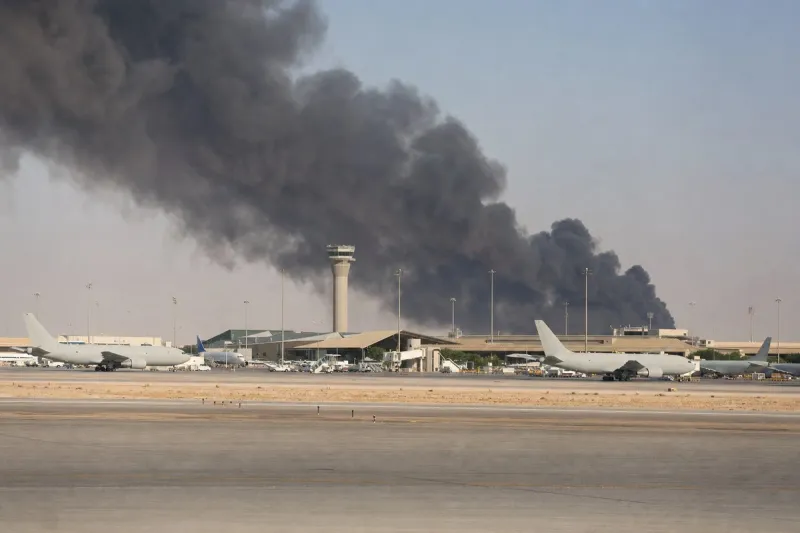
The Federal Aviation Administration has published a Safety Alert for Operators (SAFO) warning of runway incursion risks tied to parallel runways and acute-angled exit taxiways, focusing on Los Angeles International Airport's North Complex. The SAFO documents 15 runway incursions on Runway 24L at LAX following landings on Runway 24R.
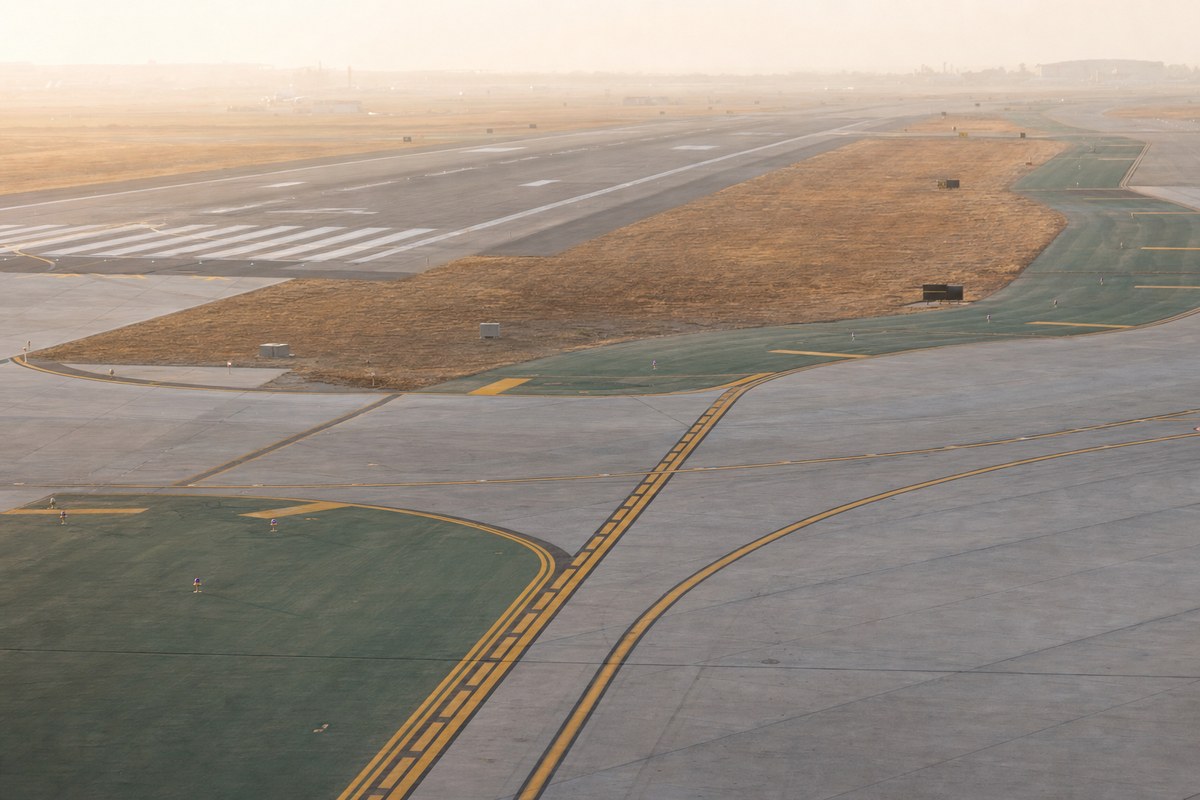
In each of the 15 cases, flight crews correctly read back air traffic control instructions to hold short of Runway 24L but subsequently crossed the holding position markings. The FAA listed multiple primary causal factors: human performance limitations, compromised situational awareness, high workload during landing rollout, information processing challenges, and confusing taxiway configurations.
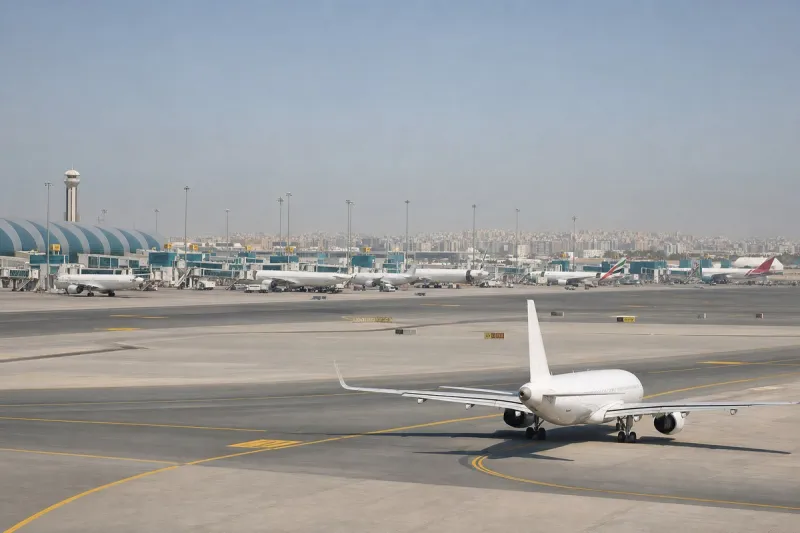
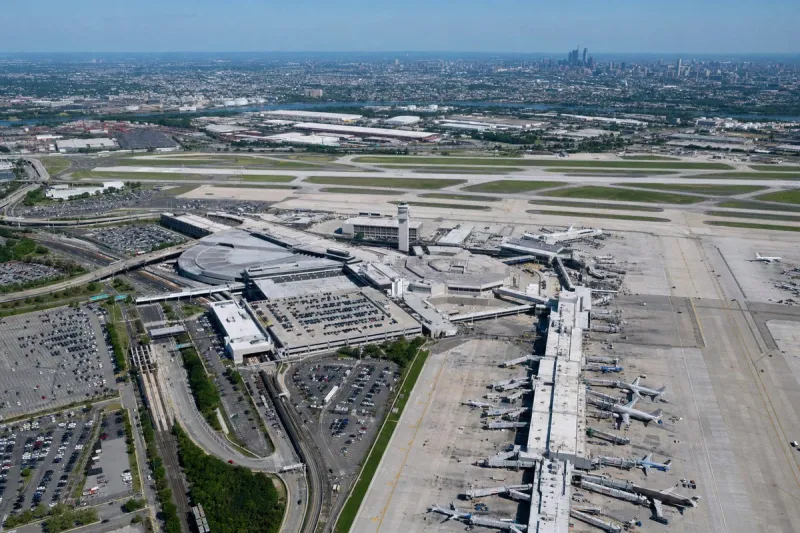
At the LAX North Complex, the two runway centerlines are approximately 700 feet apart, leaving about 300 feet between the parallel runways' respective holding position markings, which the FAA describes as tighter than configurations with a center taxiway buffer. Flight crews must bring the aircraft to a complete stop before the parallel runway's holding position marking while also ensuring the aircraft's tail fully clears the runway safety area of the runway on which they landed. High-speed exits onto the acute-angled taxiways designated V, W, and Y reduce available stopping distance. The FAA identified similar geometric risk conditions — narrow parallel runway spacing, no center taxiway, and acute-angled exits — at Burke Lakefront, Fresno Yosemite, Ontario International, Reno/Tahoe, San Francisco International, Seattle-Tacoma, and Anchorage.
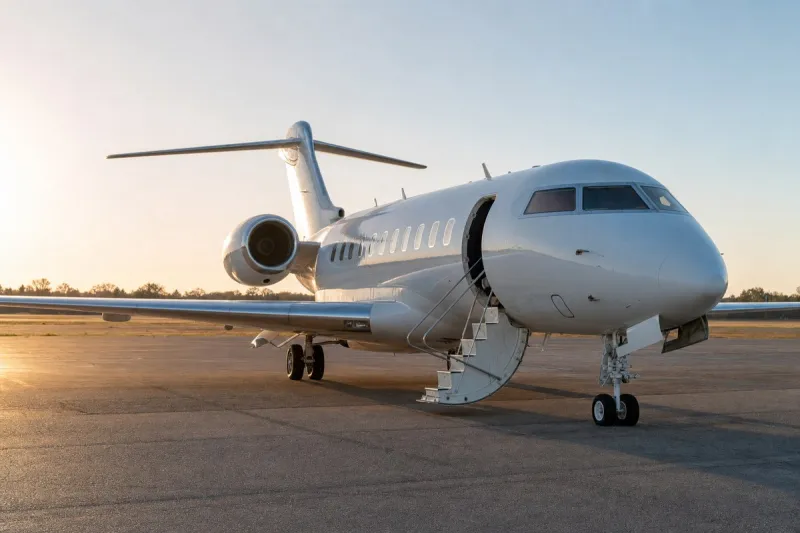
The FAA recommends that directors of operations, training managers, and flight crews incorporate several mitigations into standard operating procedures: enhanced arrival briefings covering runway layout, absence of a center taxiway, proximity of the parallel hold-short line, target exit speeds, restricted sightlines, and contingency plans for late runway changes; strict energy management to ensure aircraft slow sufficiently before turning onto an acute-angled taxiway exit; proactive crew resource management, including deferring non-essential checklist items until the aircraft is fully stopped and clear, with the Pilot Monitoring tracking taxi position and calling out proximity to the parallel runway; and training integration for Part 91K, 121, 125, and 135 operators to add parallel runway operations and acute-angle taxiway geometry scenarios to training and simulator curricula. The FAA also referenced SAFO 11004, Runway Incursion Prevention Actions, as an additional source of recommendations.
Industry impact & what to watch
This case belongs to a category the FAA has flagged before: incursions that persist even when crews follow verbal instructions correctly, because the physical layout of the airport works against the readback. Fifteen incidents on the same runway pairing, each involving a correct hold-short acknowledgment followed by a crossing, points to geometry and workload rather than a communication failure alone.
Parallel-runway operations depend on crews translating a hold-short clearance into a physical stop within a fixed distance, and that margin shrinks when there is no center taxiway and exits are acute-angled. The SAFO's naming of seven additional airports — including Ontario, Reno/Tahoe, San Francisco, Seattle-Tacoma, and Anchorage — signals that this is treated as a layout-driven risk class business aviation operators encounter beyond LAX, not a single-airport anomaly.
What comes next depends on how Part 91K, 121, 125, and 135 operators fold these mitigations into training and simulator curricula, and whether arrival briefings and energy-management callouts measurably reduce hold-line crossings at the named airports. The FAA's cross-reference to SAFO 11004 suggests incursion prevention guidance will keep accumulating around specific airport geometries rather than generic crew-error messaging.