Boeing CEO Warns 777X Certification Would Halt if 17,000 Engineers Strike in October
Why It MattersThe dispute shows how a single labor contract at an OEM can simultaneously threaten a widely-ordered new widebody's certification timeline and a recently recovering narrowbody production ramp.
What happened
Boeing CEO Kelly Ortberg has warned that the company's 777X certification program would effectively shut down if 17,000 engineers and technical staff represented by the SPEEA union go on strike next month. Their contracts expire on October 6, and 88% of members voted in favor of strike action after rejecting an earlier pay offer. Boeing has since tabled a revised offer that includes a 10% wage increase effective October 16, which SPEEA has recommended its members accept, though ratification has not yet occurred, leaving uncertainty over whether a strike will proceed.
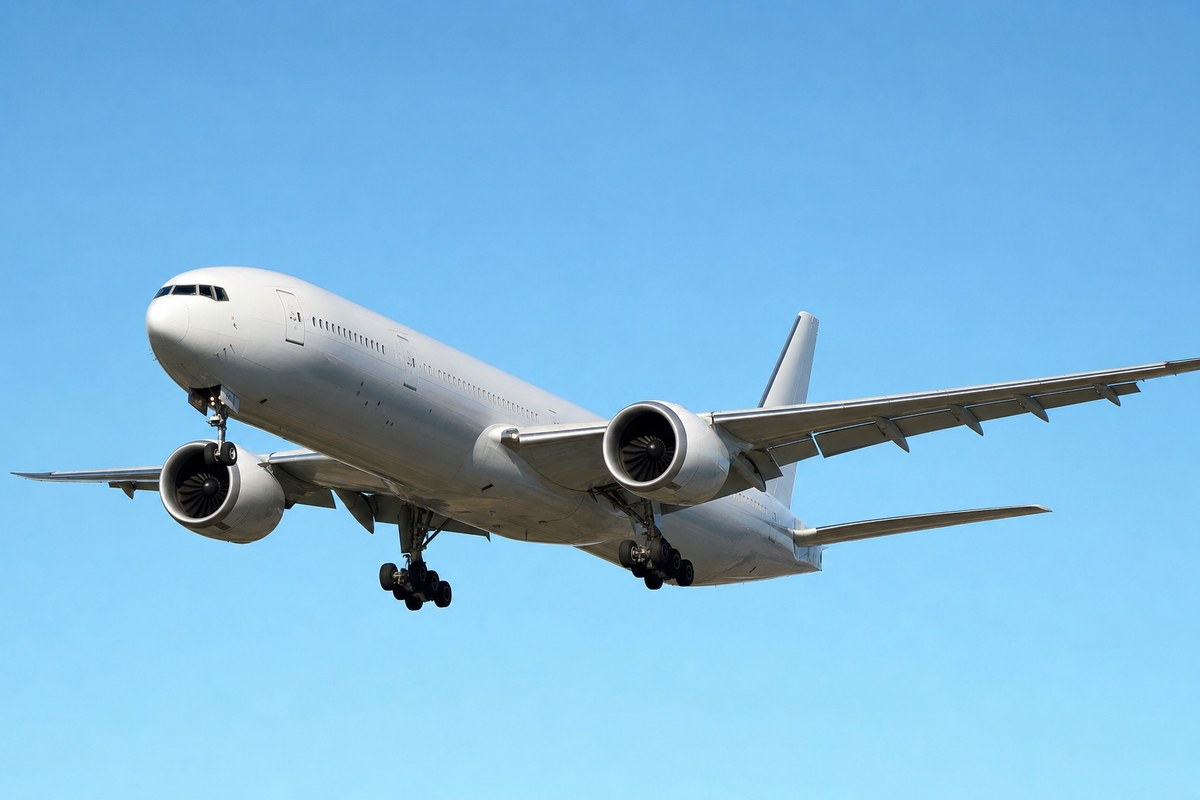
Ortberg said a strike would also risk disrupting Boeing 737 MAX production. Following the 2024 Alaska Airlines door plug blowout, production of the type was capped at 38 per month. Boeing has since worked up through 42 and is now permitted to produce 47 per month, but a strike would put that progress at risk.
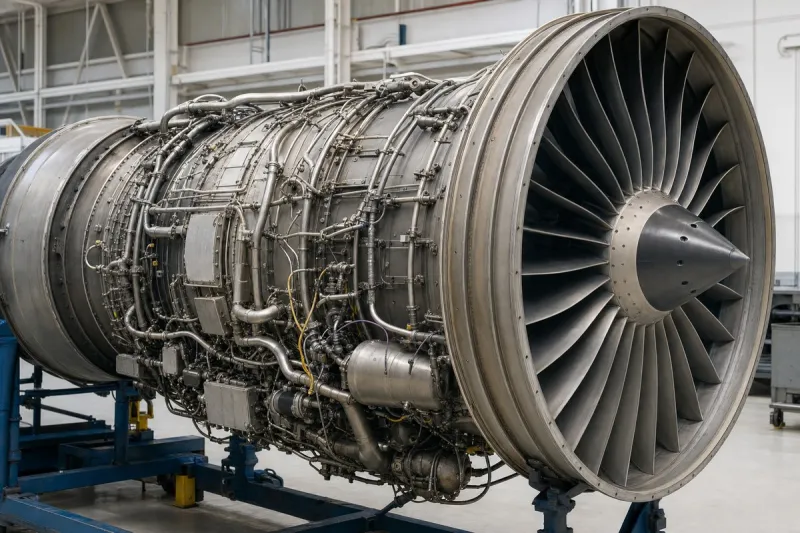
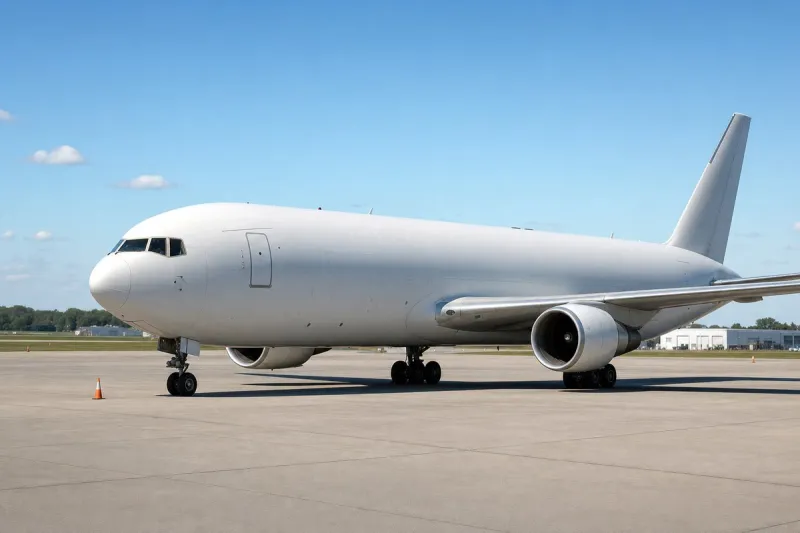
The 777X program has already faced prolonged delays, with entry into service now targeted for 2027, pushed back from an original 2020 target. Certification is further complicated by what Ortberg described as a "mid-seal issue we've got with the engine" that has delayed ETOPS authorization.
The 777-9, the larger 777X variant, holds approximately 560 firm orders plus a single firm order for a BBJ 777-9, with Emirates the leading customer at 235 aircraft, followed by Qatar Airways (90), Korean Air (40), and Cathay Pacific (35). Emirates also holds the only firm orders for the smaller 777-8, with 35 booked. The freighter variant, the 777-8F, has attracted 89 firm orders, with Qatar Airways accounting for 34 of those.
Industry impact & what to watch
This case illustrates how tightly OEM labor relations, program certification and production-rate recovery are linked at Boeing right now. Engineering and technical staff sit directly on the critical path for certification work, so a walkout by that workforce does not just slow internal processes — it can pause the regulatory milestones a new aircraft type needs to enter service.
It also shows how one labor event can touch two programs at once. The 737 MAX's climb back toward 47 aircraft per month, itself a recovery from the cap imposed after the 2024 Alaska Airlines door plug blowout, depends on the same engineering and technical workforce that the 777X certification effort needs, so a strike would put both the widebody's timeline and the narrowbody's rate recovery at risk simultaneously.
What happens next hinges on the SPEEA ratification vote on the revised offer that includes the 10% wage increase effective October 16. Given the scale of orders behind the 777-9, 777-8 and 777-8F, and the engine-related ETOPS delay Ortberg already flagged, the ratification outcome will determine whether the 2027 entry-into-service target holds or slips further.