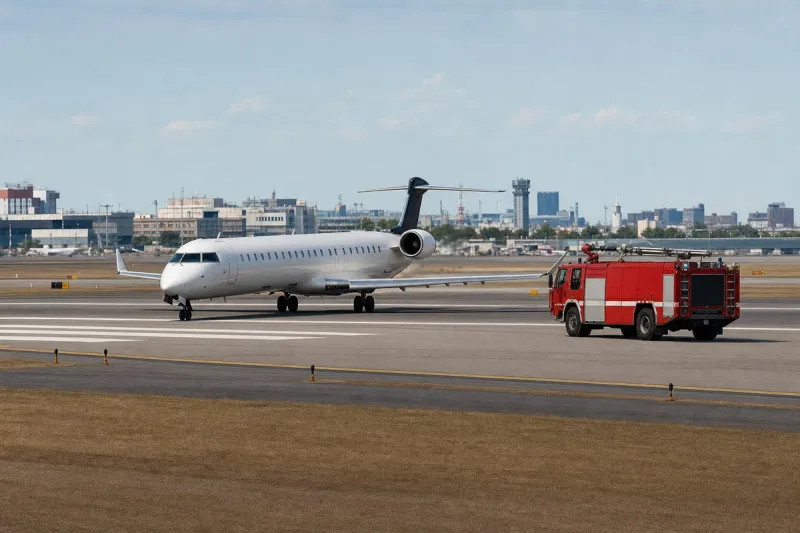
Amsterdam Schiphol to Close Kaagbaan Runway for Annual Maintenance September 21–29, 2026
Why It MattersScheduled runway maintenance forces temporary redistribution of arrivals and departures across a hub's remaining runways, concentrating noise and traffic exposure under alternative flight paths for the closure period.
What happened
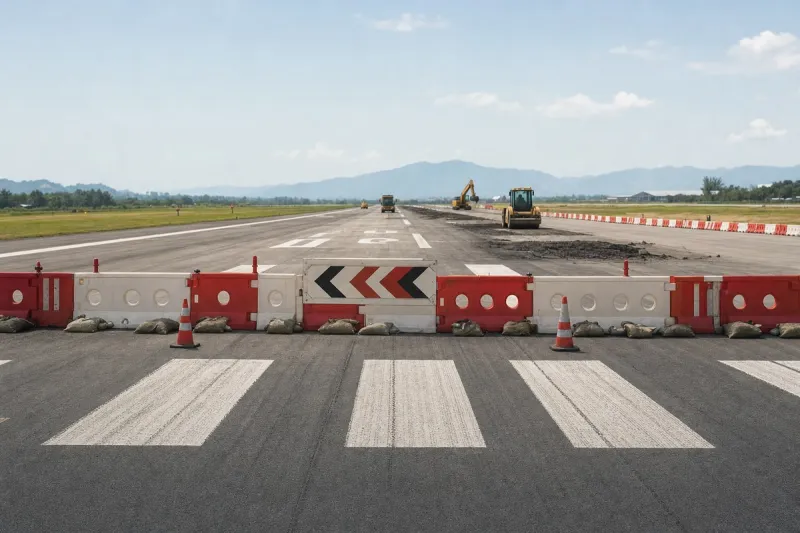
Amsterdam Schiphol Airport will close its Kaagbaan runway for annual maintenance from September 21 to September 29, 2026. The runway will be unavailable on weekdays during that window, but it will reopen for the weekend of September 26 and 27 before maintenance resumes on the Monday and concludes on Tuesday, September 29.
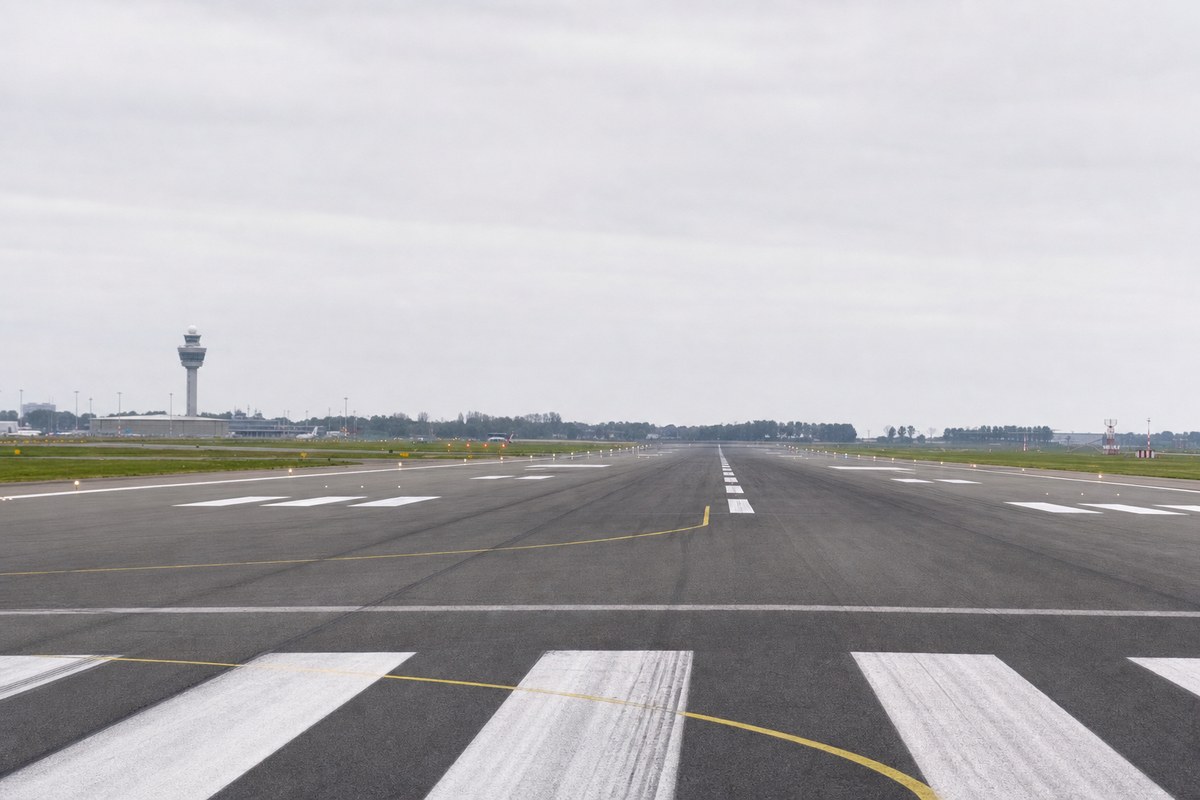
Flights that would normally use the Kaagbaan for arrivals or departures will primarily be redirected to the Zwanenburgbaan, Aalsmeerbaan, and Buitenveldertbaan runways. Other runways, including the Schiphol-Oostbaan, may also be used depending on wind direction, weather conditions, and traffic volumes. Schiphol said aircraft movements are expected to increase on those alternative runways throughout the maintenance period, meaning areas beneath the associated flight paths may see more traffic than usual.
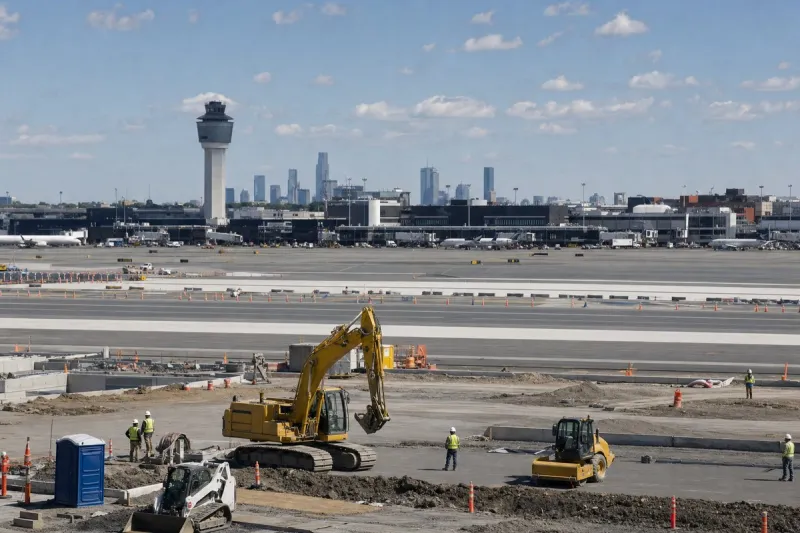
The maintenance work covers the runway's asphalt surface, which will be inspected and repaired where necessary. Runway markings will be inspected and maintained, electrical systems and cabling will be checked, sections of the stormwater drainage system will be flushed, surrounding grass areas will be mowed, and runway lighting will be cleaned or replaced. The work is being carried out in cooperation with Dutch construction company Heijmans. Schiphol said the annual maintenance is performed to keep the runway and its associated infrastructure in safe operating condition, and that the works are planned to minimise the duration of disruption. Local residents seeking information about temporary runway use and flight paths during the period can contact the Local Community Contact Centre Schiphol (BAS).
Industry impact & what to watch
Runway maintenance closures like this one are a routine part of how a multi-runway hub keeps its infrastructure in safe operating condition without shutting down operations altogether: traffic is shifted to other runways rather than cancelled, and the airport absorbs the disruption by redistributing movements across its remaining capacity. That redistribution is exactly what Schiphol described here, with the Zwanenburgbaan, Aalsmeerbaan, Buitenveldertbaan, and potentially the Schiphol-Oostbaan taking on the arrivals and departures the Kaagbaan would otherwise handle.
The practical effect falls unevenly: communities under the alternative flight paths carry more noise and traffic exposure for the duration of the closure, which is why Schiphol pointed residents to the Local Community Contact Centre (BAS) for specifics on temporary runway use. The choice of which runway absorbs the extra load on a given day depends on wind direction and weather, so the pattern of disruption will vary through the nine-day window rather than being fixed in advance.
What happens next is procedural: the weekend reopening on September 26 and 27, followed by two more work days before the Kaagbaan returns to normal service on September 29, and whether the runway resumes full operation on schedule once the asphalt, markings, drainage, and lighting work is complete.