Namibia's Walvis Bay Airport Airspace Downgraded to Class G, Raising Safety and Operational Concerns
Why It MattersWhen controlled-airspace status and forecasting services erode at a secondary gateway, airlines absorb the cost through diversions and schedule disruption while regulators face pressure to show a fix.
What happened
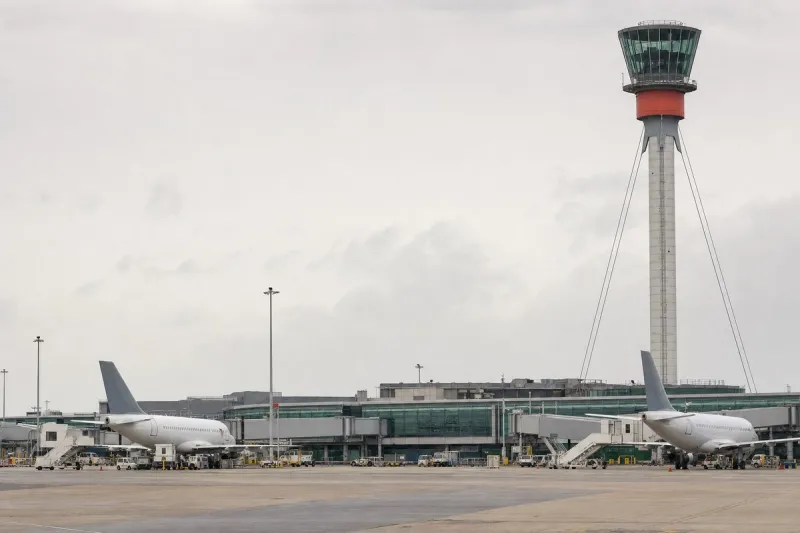
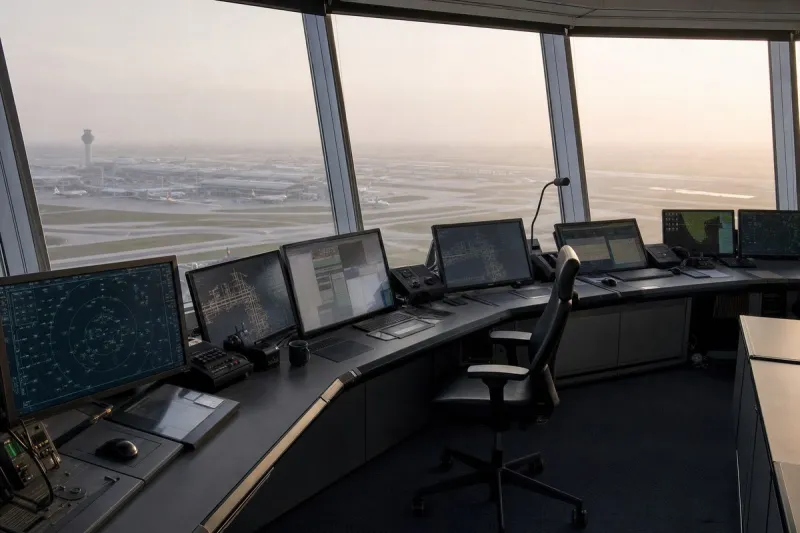
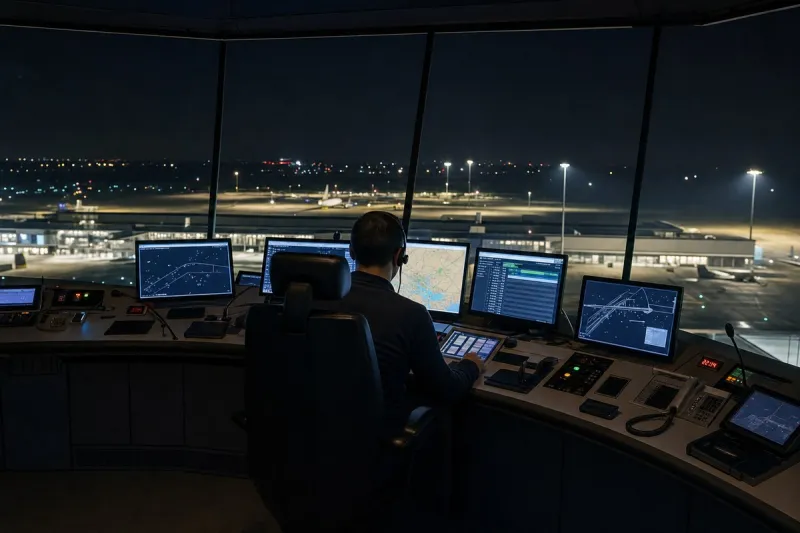
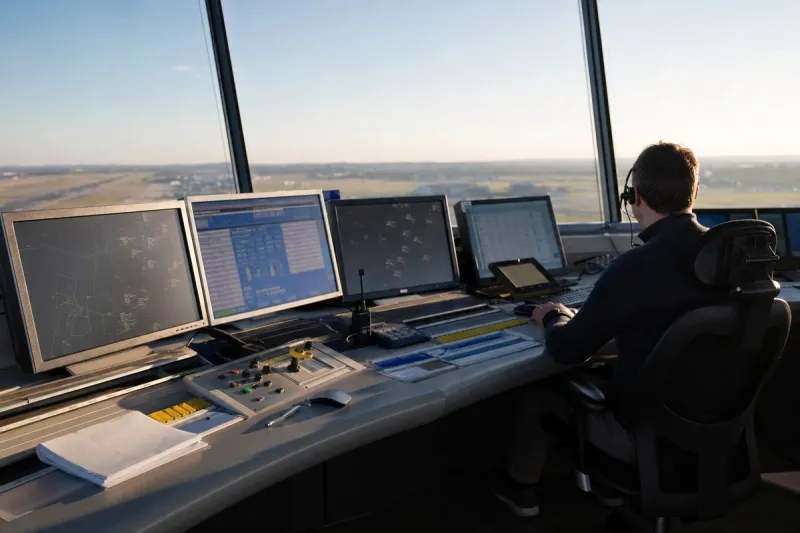
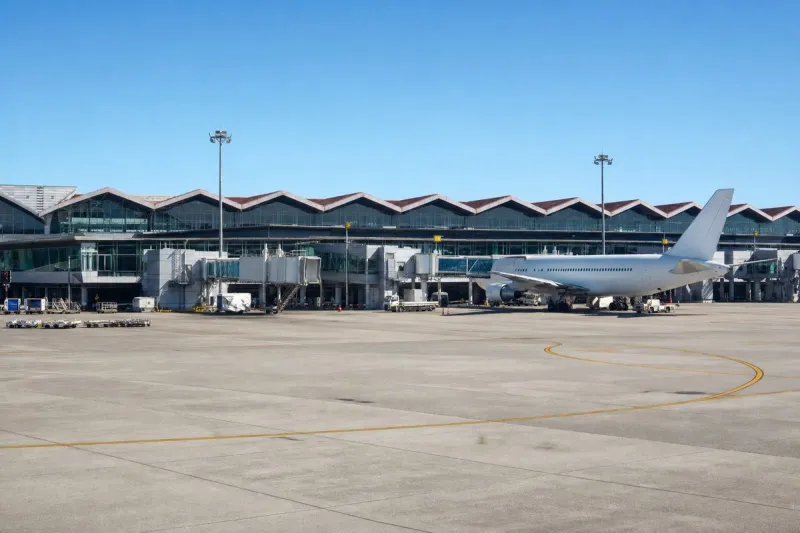
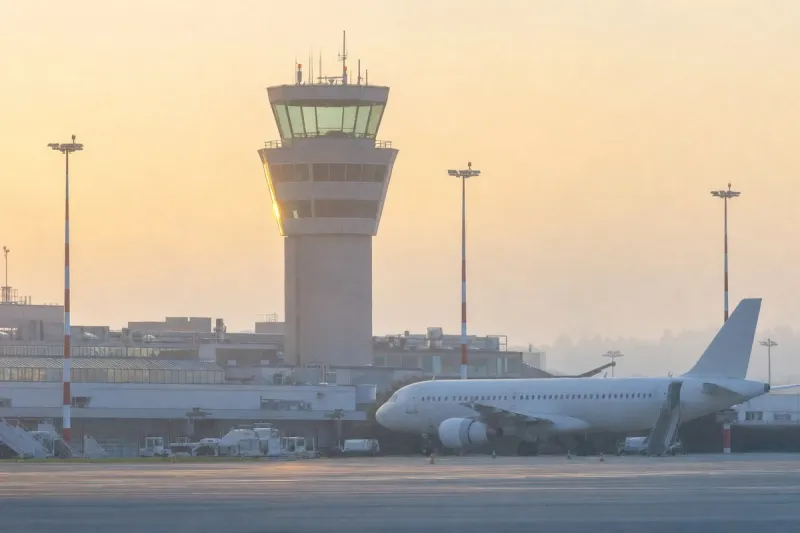
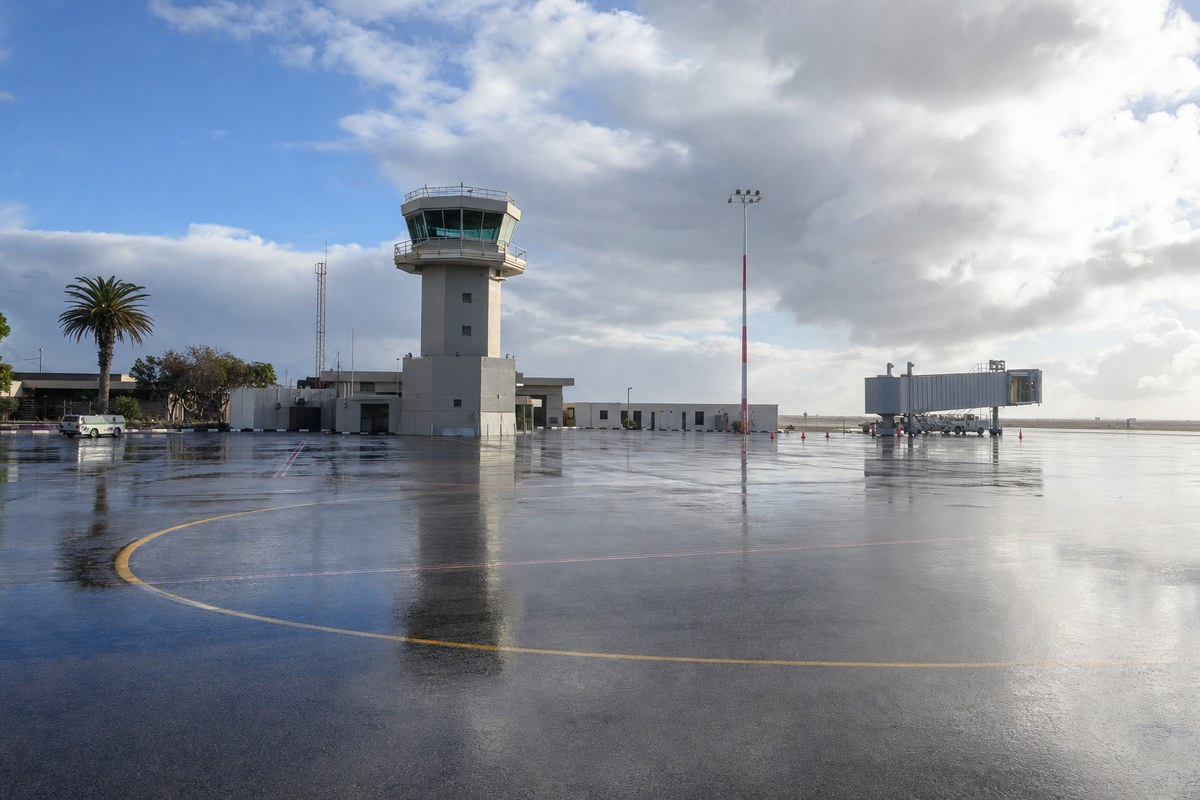
Namibia's Walvis Bay International Airport has had its airspace downgraded to Class G, a designation that removes mandatory air traffic control separation services and leaves pilots to manage aircraft sequencing themselves. IPC shadow minister of works and transport Nelson Kalangula raised the concern on Wednesday, after reviewing the Notice to Airmen (NOTAM) issued in connection with the situation, and following parliamentary questions on Tuesday about delays and inaccuracies in Terminal Aerodrome Forecasts (TAFs). "This sudden downgrade represents a major operational setback for Namibia's aviation sector and threatens the reliability of our secondary international gateway," Kalangula said.
TAF delays have contributed to commercial aircraft being diverted from Walvis Bay to Hosea Kutako International Airport, more than 400 kilometres inland. Kalangula said diverting aircraft over that distance "due to avoidable administrative and air navigation service failures imposes unacceptable financial burdens on airlines, disrupts passenger itineraries, and damages Namibia's reputation as a dependable regional logistics and tourism hub." The IPC attributed the problems to possible shortages of certified Air Traffic Control Officers, qualified meteorological personnel, and technical infrastructure within air navigation services, calling the downgrade a symptom of "underlying structural issues within the Namibia Civil Aviation Authority (NCAA) and Air Navigation Services."
In July, the Namibia Airports Company had announced the installation of a new flight information display system at Walvis Bay worth approximately N$1.3 million, aimed at improving passenger communication and operational coordination. The IPC is demanding that Minister of Works and Transport Veikko Nekundi provide a detailed public account of the reasons behind the airspace downgrade and TAF delays, and is calling for emergency deployment of qualified air traffic control personnel and technical support to restore the airport's controlled-airspace status, uninterrupted aviation meteorological services, a parliamentary briefing on air navigation readiness, and a recovery plan addressing the risk of similar downgrades at other Namibian airports.
Why the coastal setting matters
Walvis Bay regularly experiences coastal fog and reduced visibility, conditions under which the loss of controlled-airspace services could prove especially hazardous. Visual flight operations may continue under suitable weather conditions, but the IPC warned the change poses unacceptable risks given that weather pattern.
Industry impact & what to watch
A downgrade from controlled to Class G airspace shifts the burden of aircraft sequencing from ground-based air traffic control onto individual pilots, which matters most precisely where weather is least predictable — a coastal airport prone to fog is a harder place to remove separation services than an inland one with stable visibility. That combination is what turns a technical reclassification into an operational risk rather than a paperwork change.
Secondary international gateways depend on the same forecasting and staffing infrastructure as primary hubs, but with less redundancy: a shortage of certified controllers or meteorological staff at one station can cascade into diversions hundreds of kilometres away, imposing costs on airlines and disrupting passenger itineraries that the airport itself did not cause. The Hosea Kutako diversions show that dependency in practice.
What happens next depends on whether Minister Veikko Nekundi responds to the IPC's demand for a public account of the downgrade, and whether the Namibia Civil Aviation Authority moves to redeploy certified air traffic control and meteorological personnel to restore controlled-airspace status. A parliamentary briefing on air navigation readiness, if it occurs, would indicate whether the issue is isolated to Walvis Bay or reflects staffing gaps across Namibia's other airports.