Three Dutch nationals identified as victims of Cessna 172 crash near Erkelenz, Germany
Why It MattersCross-border light-aircraft flights leave accident investigation split between two states, shaping how flight schools respond operationally while the formal inquiry into cause proceeds.
What happened
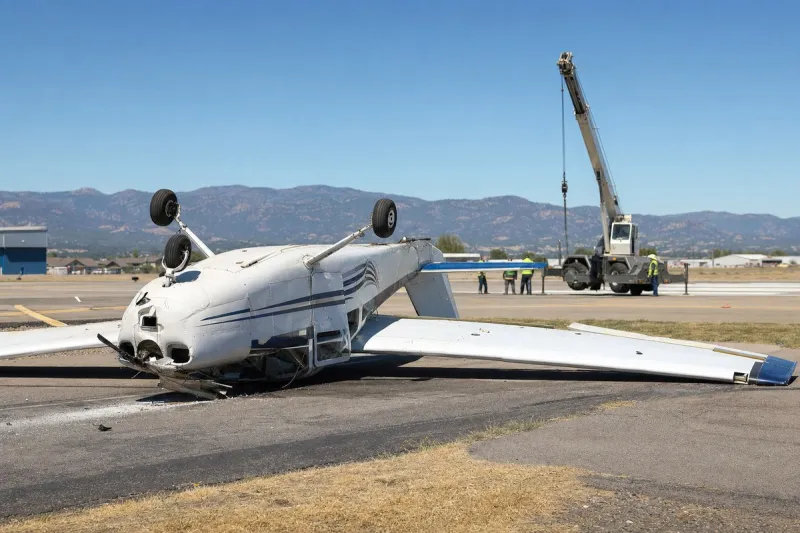
The Dutch Ministry of Foreign Affairs confirmed to NOS that the three people killed when a Cessna 172 crashed just across the German border near Roermond on Monday, 14 September 2026, were Dutch nationals: a 58-year-old man and a 23-year-old woman from Amsterdam, and a 57-year-old man from Súdwest-Fryslân.
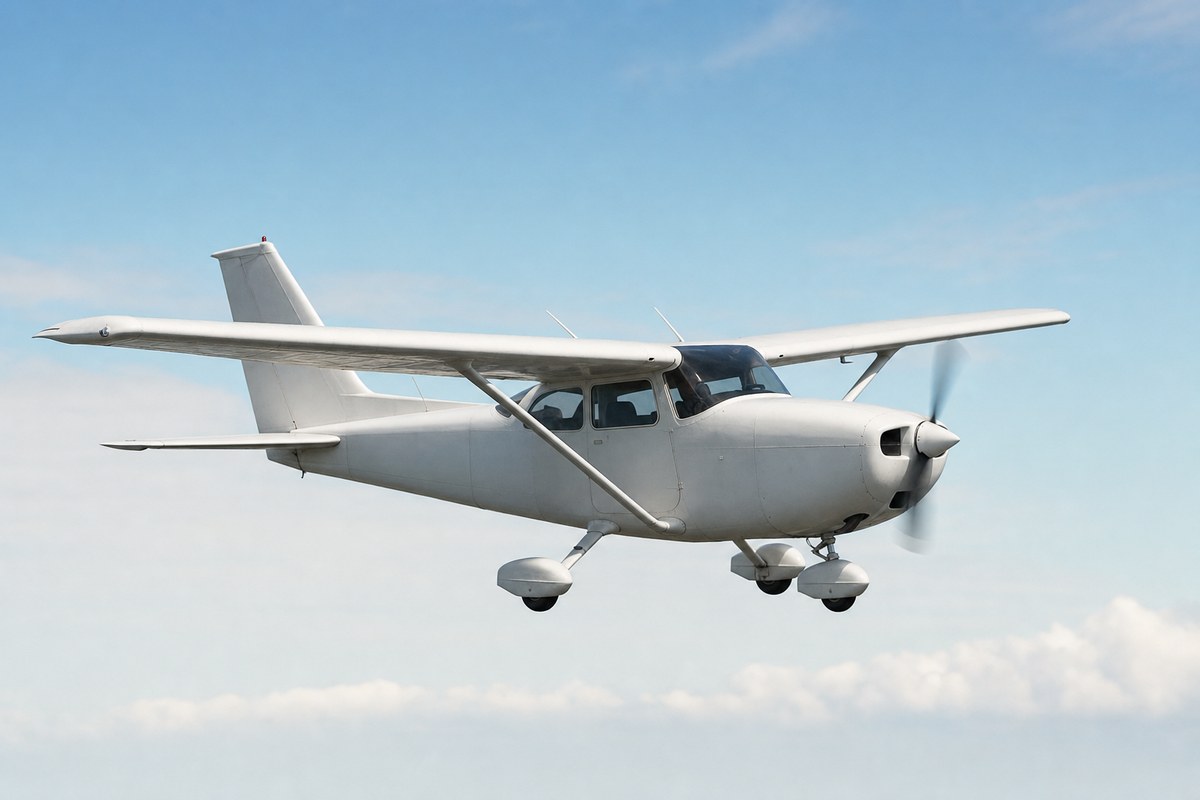
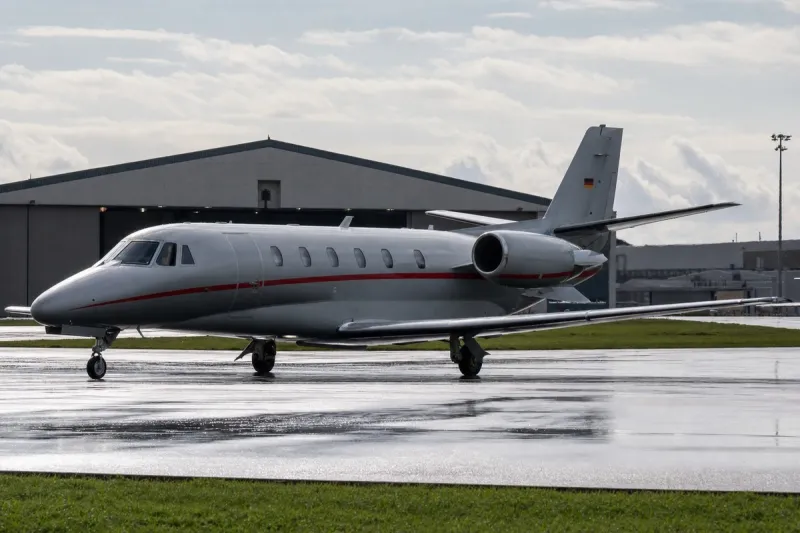
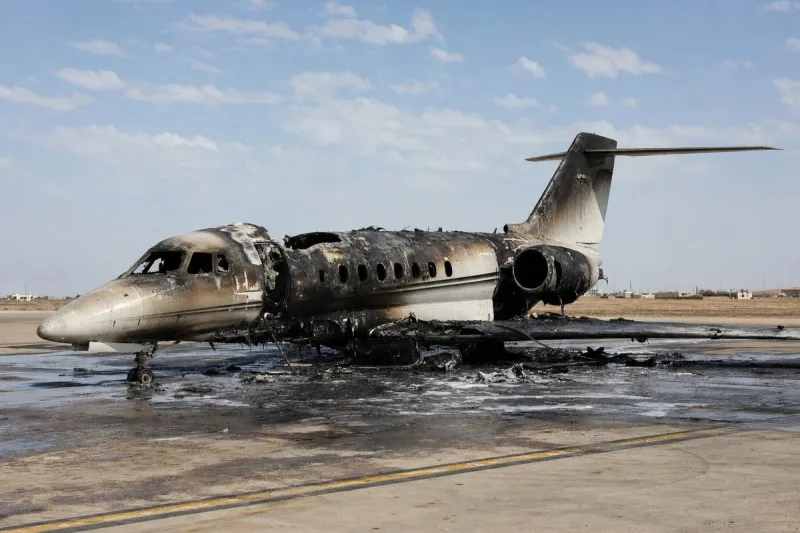
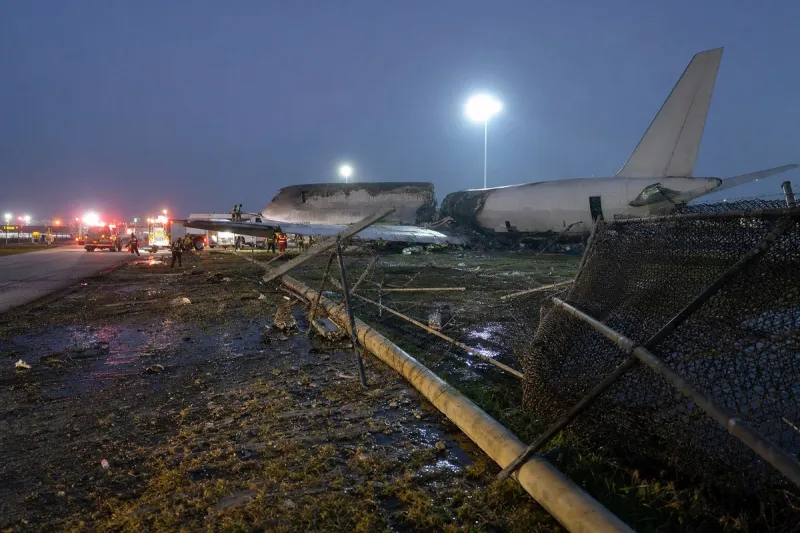
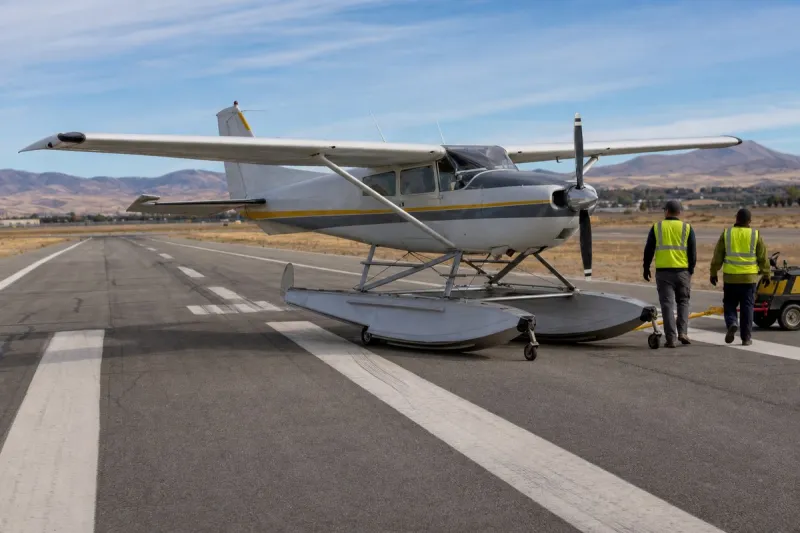
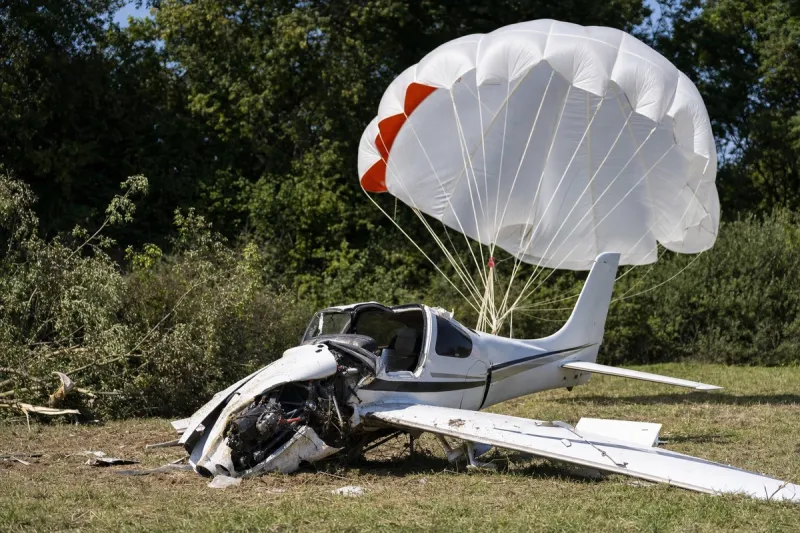
The aircraft, a Cessna 172 registered with the Hilversum Flight School, departed from a small airfield in Hilversum at 10:25 a.m. and disappeared from radar at 11:18 a.m. It went down in a field near Gerderath, in the municipality of Erkelenz, Germany. The plane had not been intending to land at Erkelenz, which has an airfield for small aircraft.
German air traffic control reported that the pilot had contacted the flight information service about poor weather conditions before the aircraft lost altitude and crashed. The cause of the crash has not yet been determined. Two investigators from the Dutch Safety Board are examining the incident, and the Hilversum Flight School has suspended all flights pending the outcome. In a statement on its website, the school said: "It is with great concern that we announce that an accident involving one of our aircraft—a Cessna 172—occurred in Germany on the morning of Monday, September 14, 2026. The circumstances surrounding the incident remain unclear at this time."
Industry impact & what to watch
A light aircraft that departs from one country and goes down in another places the crash under the jurisdiction where the wreckage lies while drawing investigators from the operator's home state, a split that shapes how quickly findings become public and who has authority to ground related activity in the meantime. The Dutch Safety Board's two investigators will need to coordinate with German authorities on wreckage access, radar data, and any weather-service communications the pilot had before the loss of altitude.
Flight schools operating single-engine trainers like the Cessna 172 typically hold their own fleet on the ground voluntarily once one aircraft is involved in a fatal accident, even absent a regulatory order, precisely because the cause is unknown and a shared maintenance or training issue cannot yet be ruled out. Hilversum Flight School's suspension of all flights fits that pattern.
The next material fact will be whatever the flight information service log shows about the weather advisory given to the pilot before radar contact was lost, since that exchange is the last confirmed data point before the descent. Until the Dutch Safety Board or German investigators release findings, the cause remains formally undetermined.