Newsletter Writer Says Much of Aviation Safety Rests on the Honor System After Florida Lear 60 Accident
Why It MattersThe case illustrates how general aviation and jet-operation compliance depends on self-reported records rather than independent verification, leaving oversight of training, endorsements and currency largely reliant on individual integrity.
What happened
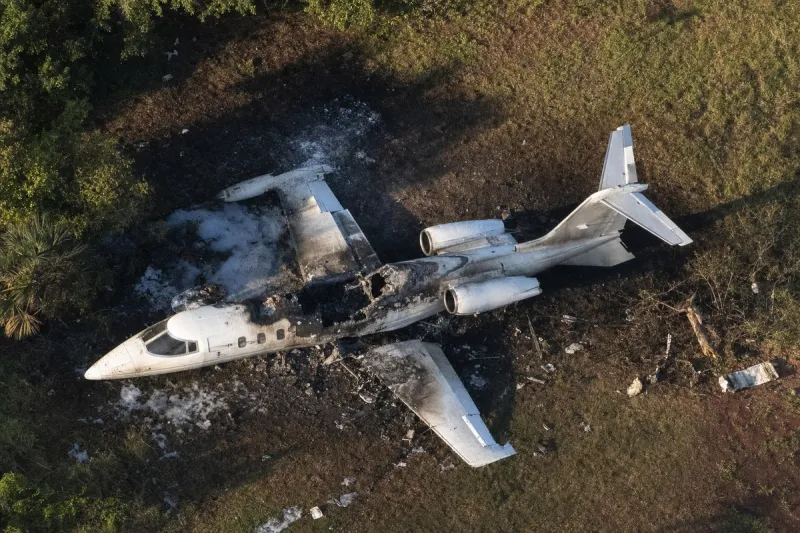
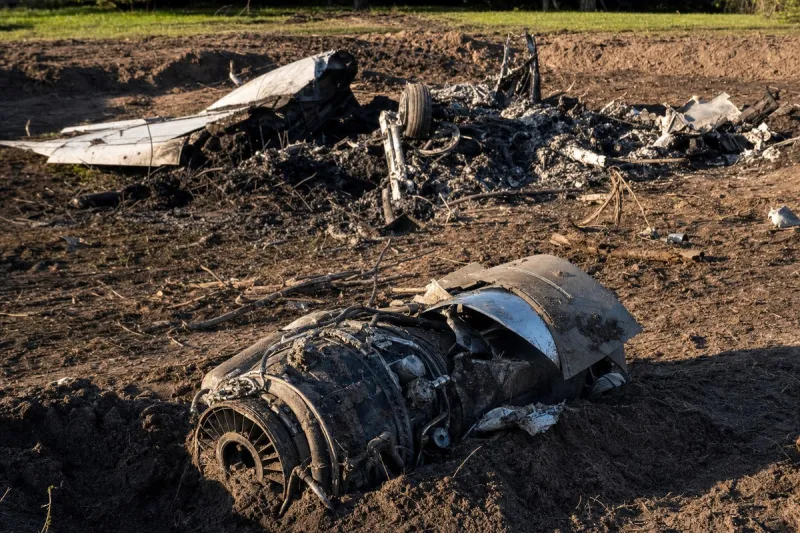
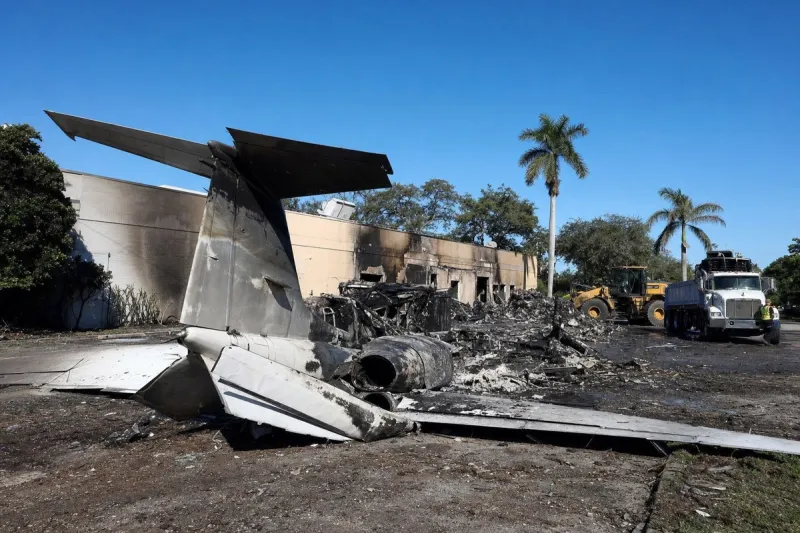
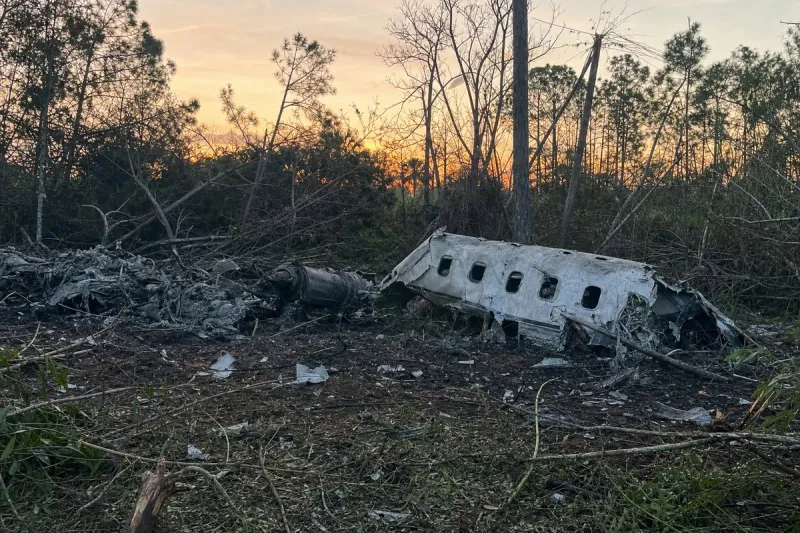
In his Nov. 5, 2026 FLYING LESSONS newsletter, Thomas P. Turner wrote that most aviation safety is done on the honor system. The commentary was published in connection with a Florida Lear 60 accident.

Turner listed what is not checked: whether a logged instructional flight actually happened, or lasted long enough on ADS-B and had a flight track consistent with the tasks and maneuvers in the logbook. Nor, he wrote, is there a check that the instructor providing the endorsement was rated and current, or that the instructor's last Flight Review was in order.
Turner noted that it is rare, but not unheard of, for even well-scrutinized pilots in airline and jet operations to be found skirting the rules.
Industry impact & what to watch
The pattern Turner describes is structural: logbook entries, instructor endorsements and Flight Review records are self-reported documents, and the system generally accepts them as written. ADS-B tracks exist as an independent data source, but a reader of Turner's commentary should note that he frames them as something nobody routinely compares against logbooks.
For operators of jets and for the insurers, training providers and charter customers who rely on pilot paperwork, the practical point is that a clean logbook demonstrates what was recorded, not necessarily what was flown. Where a pilot's qualifications bear on a contract, a lease or a hull policy, the counterparty carries the burden of confirming currency and instructor credentials directly.
The cause of the Florida Lear 60 accident has not been established in what was provided, so any link between that event and the honor-system argument is Turner's framing rather than a finding. Investigators' conclusions would be the point at which that connection is confirmed or dismissed.