NATA Says FBO Ramp Training Must Pair Online Coursework With Supervised Practice and Ongoing Coaching
Why It MattersFBO safety culture is increasingly judged by whether training is embedded in daily supervision and in employees' willingness to stop work and ask questions, not by completed coursework alone.
What happened
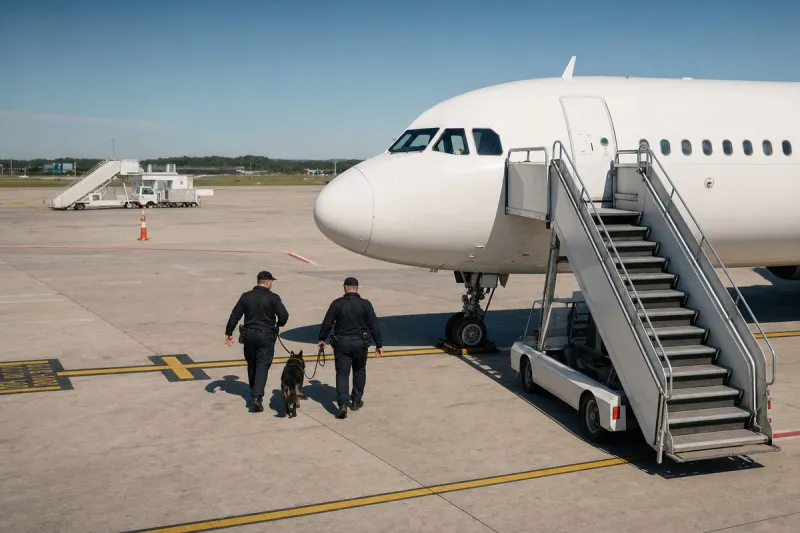
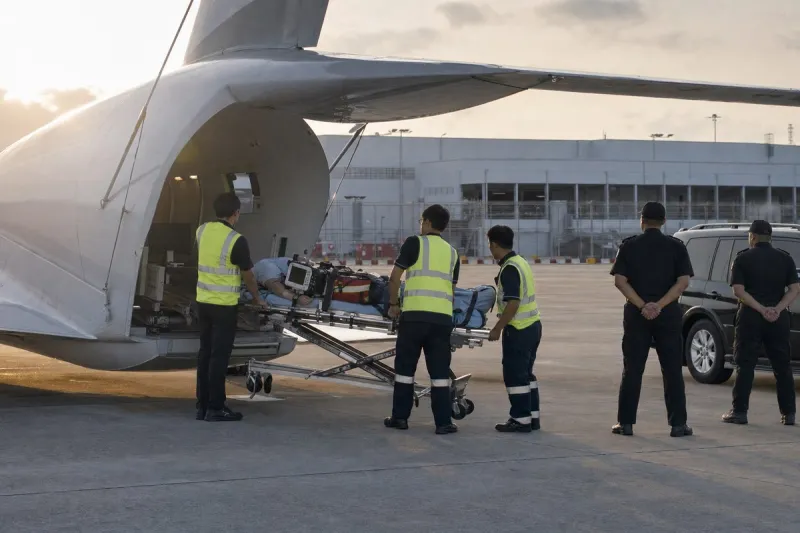
Shannon Chambers, SVP Communications, and Steve Berry, VP of Education and Safety at NATA, say adequate training is essential for preparing FBO employees for the seen and unseen challenges of ramp work. On a busy airport ramp, employees must apply what they know while managing equipment, aircraft movements, changing weather and time pressure. Effective training, they say, helps employees recognize hazards, communicate clearly and know when to stop and seek guidance.
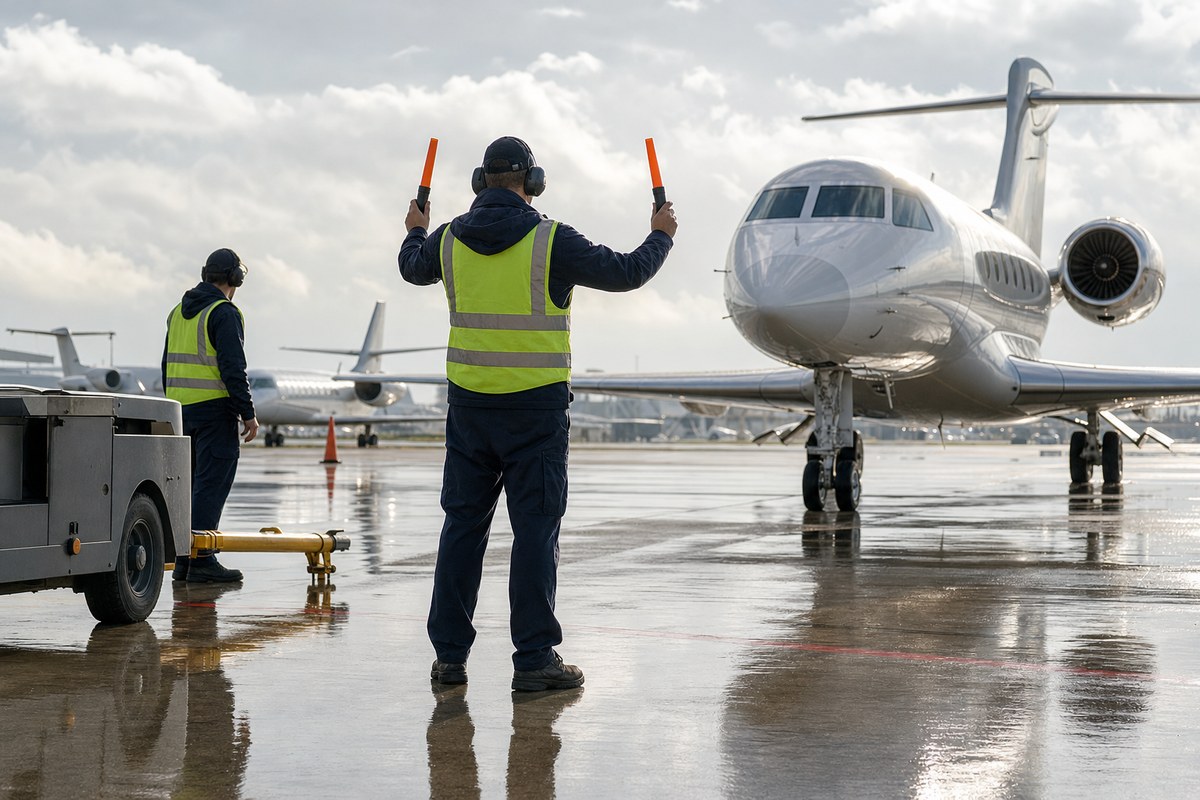
They describe online and in-person instruction as complementary. Online learning builds a consistent foundation and lets employees revisit unfamiliar concepts, while supervised practice shows how well they can apply those concepts and where more coaching is needed. A technician may answer a question about towing clearances correctly, for example, yet still need practice coordinating with wing walkers or recognizing when poor visibility requires stopping a movement.
NATA's Safety 1st program connects online coursework with on-the-job training and practical assessments, and works best when employers reinforce it through daily supervision, coaching and consistent procedures. Through Safety 1st onSITE, NATA brings its certified workshops and other training programs to member locations, pairing classroom learning with practical application in the team's own operating environment.
The authors say training should continue after course completion: supervisors need to reinforce procedures, address uncertainty and reassess skills as duties or equipment change.
Workshops and hands-on content
NATA's Certified Aircraft Deicing Workshop combines technical instruction with hands-on learning covering equipment, fluid handling, application techniques and communication responsibilities.
NATA's Certified QC Inspector Workshop links technical instruction to fuel quality control procedures for receiving, storing, handling and delivering clean, dry aviation fuel.
Industry impact & what to watch
Ramp work is a setting where a correct answer on a test and safe behavior under pressure are different things, and the authors' towing-clearance example illustrates that gap. For FBOs, this means training programs are only as strong as the supervision that surrounds them: coaching, consistent procedures and reassessment when duties or equipment change carry as much weight as the course itself.
The authors also place weight on a cultural marker, namely whether employees recognize when conditions fall outside their training or authority and stop to seek guidance. For aircraft owners and operators evaluating a provider, they suggest the useful measure is how consistently its employees demonstrate safe practices and how readily they ask questions before an uncertain situation becomes an incident.
That gives operators something observable to check on the ramp, beyond certificates on a wall: whether staff pause and ask, and whether supervisors reinforce procedures day to day.