Learjet 60 N722BD That Crashed in Florida Struggled to Hold Altitude in Severe Turbulence Near Newark in May, ATC Audio Shows
Why It MattersHow a crew describes turbulence to controllers shapes separation decisions, and FAA severity definitions treat an inability to hold altitude differently from moderate chop; any link between the two flights remains unestablished.
What happened
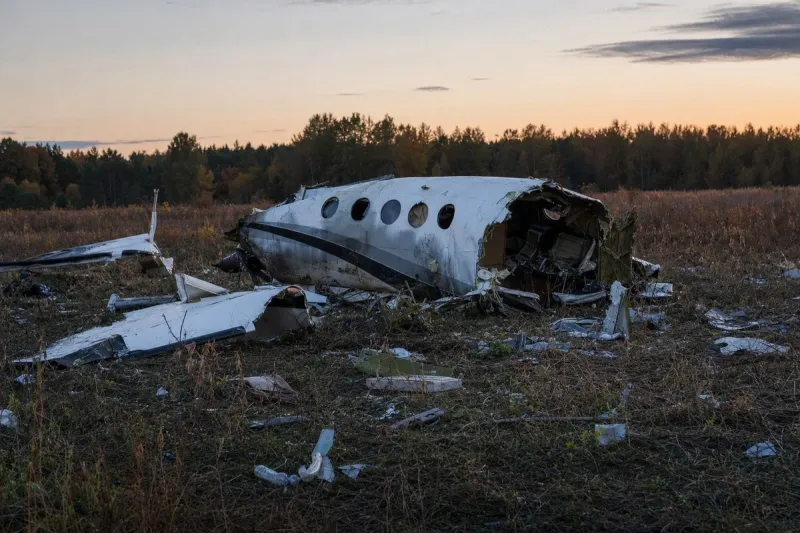
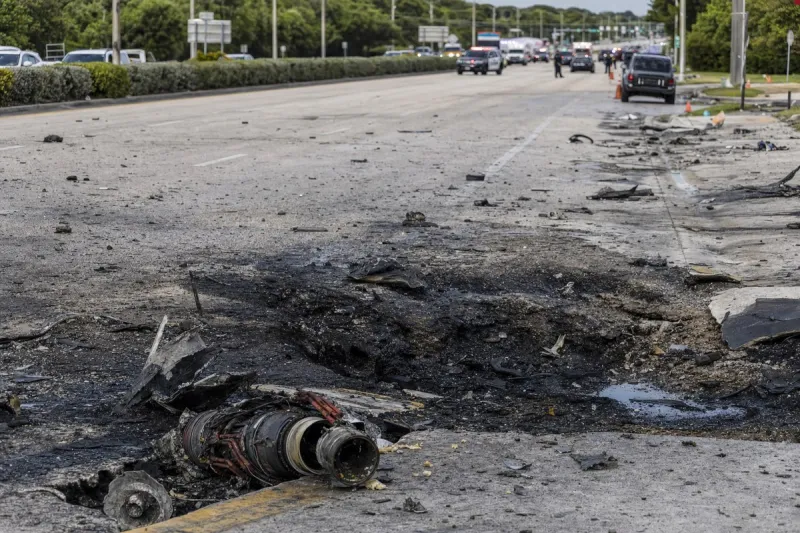
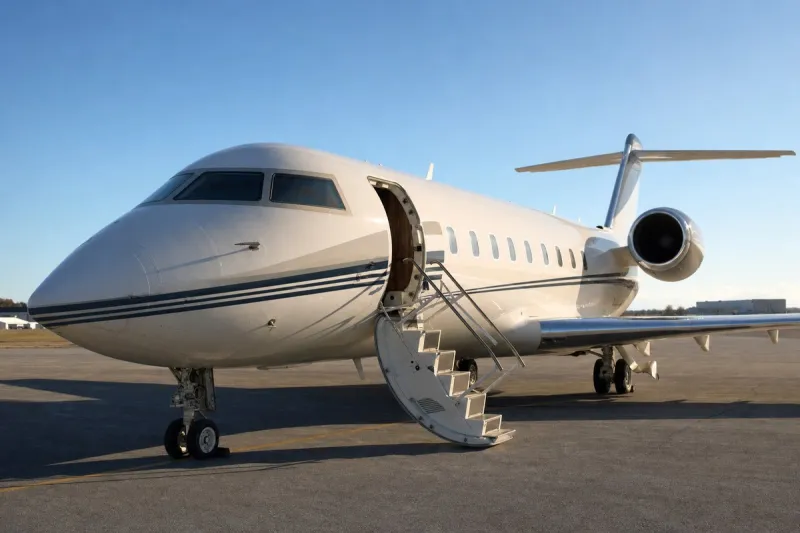
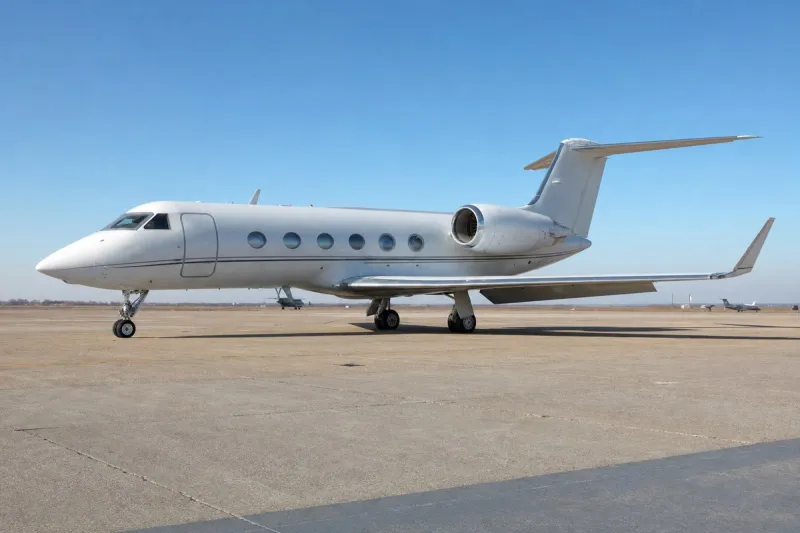
The Learjet 60 registered N722BD crashed in Florida on Sunday, killing all nine people aboard: seven passengers and two pilots. It had departed Austin Bergstrom International Airport (AUS) for North Eleuthera Airport (ELH) in the Bahamas.

Crossing South Florida at 35,000 feet, the crew reported light clear icing and turbulence with altitude deviations of roughly 600-700 feet, again describing the turbulence as moderate. After encountering precipitation, the crew requested a climb to 37,000 feet. Air traffic control approved it, but less than 30 seconds later the pilots reported an uncontrolled descent and declared an emergency.
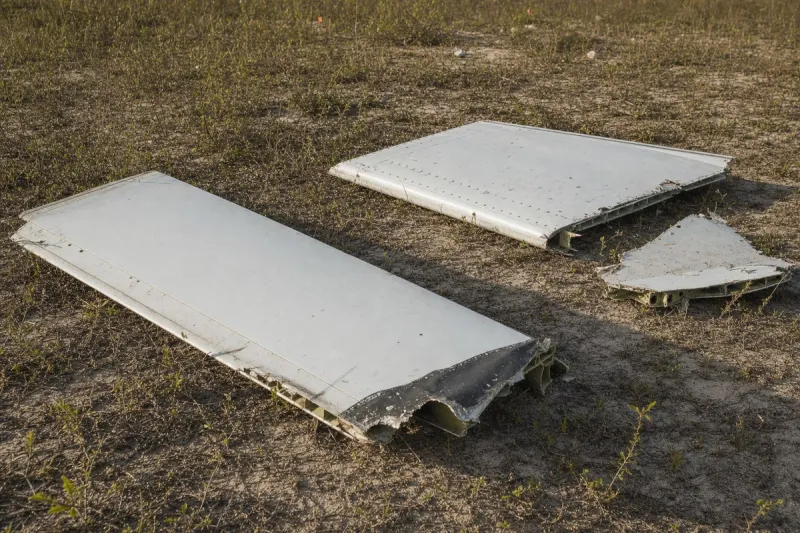
The NTSB investigation has found evidence of an inflight breakup, including pieces of the aircraft's left elevator located between 1.3 miles (2.1 km) and 3.8 miles (6.1 km) from the impact site. Investigators are examining weather, aircraft systems, maintenance records and flight communications. A preliminary report is expected within about 30 days.
Air traffic control audio obtained by The US Sun and reported by the Daily Express covers an earlier event involving the same aircraft near Newark Liberty International Airport (EWR) in May. A controller noticed the jet climbing unexpectedly and questioned the crew. A female pilot said they were experiencing moderate turbulence and could not maintain their assigned altitude. The controller challenged that description, saying that if an aircraft cannot maintain altitude, the turbulence is not moderate, and instructed the crew to descend to 4,000 feet. Another business jet was operating nearby at a similar altitude, creating a potential separation concern. A male pilot again described moderate chop.
How the FAA defines turbulence severity
Under Federal Aviation Administration (FAA) classifications, moderate turbulence can change altitude, attitude and airspeed while pilots retain positive control. Severe turbulence involves larger, abrupt changes and can leave an aircraft momentarily out of position.
That distinction is what the controller's remark in May turned on: a crew reporting that it cannot hold its assigned altitude is describing something the definitions place above moderate.
Industry impact & what to watch
Pilot reports of turbulence intensity are among the inputs controllers use to manage separation, and the wording matters. A report of moderate chop alongside an aircraft that cannot hold altitude puts a controller in the position seen near Newark, where nearby traffic at a similar altitude had to be considered. The FAA's own definitions give controllers and crews a common yardstick, and the May exchange shows the two sides applying it differently in real time.
No causal connection between the May and November events has been established, and the two should not be read as one story. The NTSB is still working through weather, aircraft systems, maintenance records and flight communications, and the inflight-breakup evidence points to structural questions that the turbulence reports alone cannot answer.
The next fixed point is the NTSB preliminary report, expected within about 30 days. It will show which of the examined areas the investigators have narrowed, while the final investigation will likely take considerably longer.