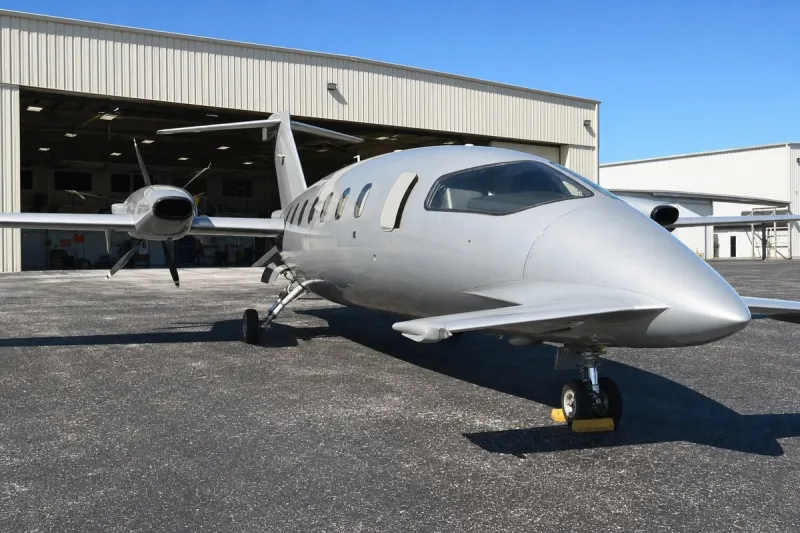
NTSB Recovers Parts of Crashed Learjet 60's Left Elevator Up to 3.8 Miles From Impact Site
Why It MattersParts found miles from a wreckage site shift an in-flight breakup inquiry toward structural and loads analysis, while thunderstorm-routing decisions at high altitude remain a parallel line of questioning for business-jet operations.
What happened
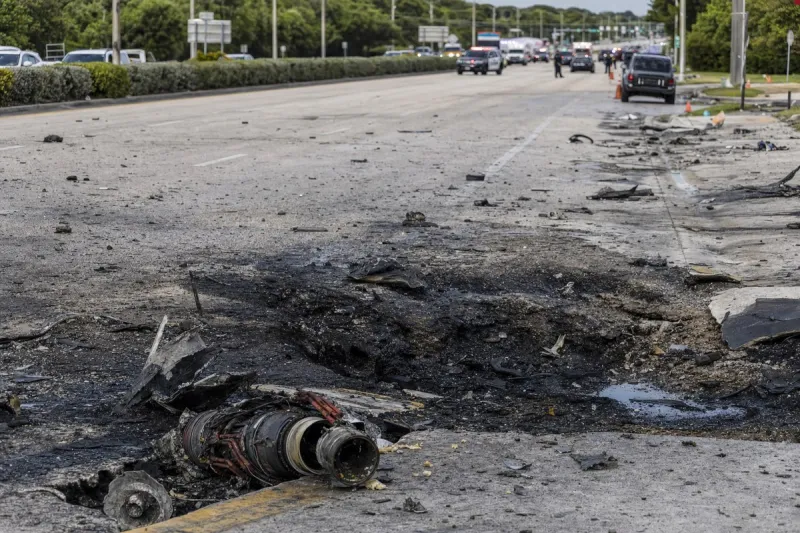
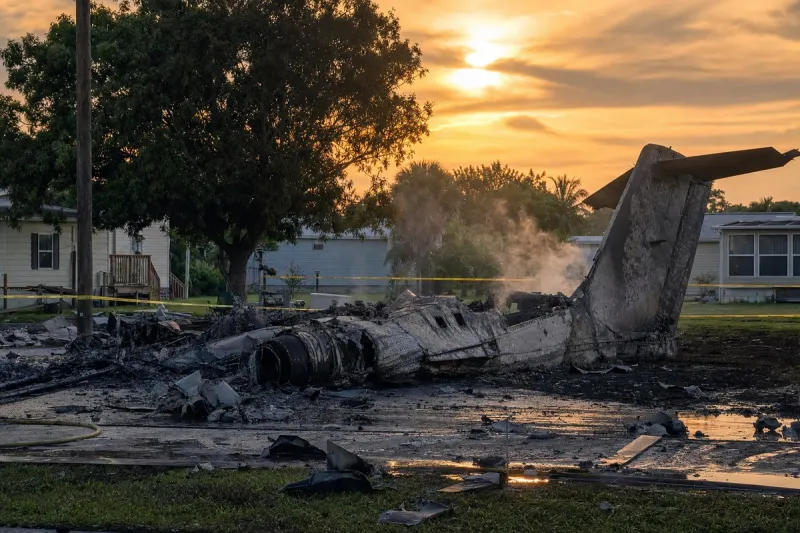
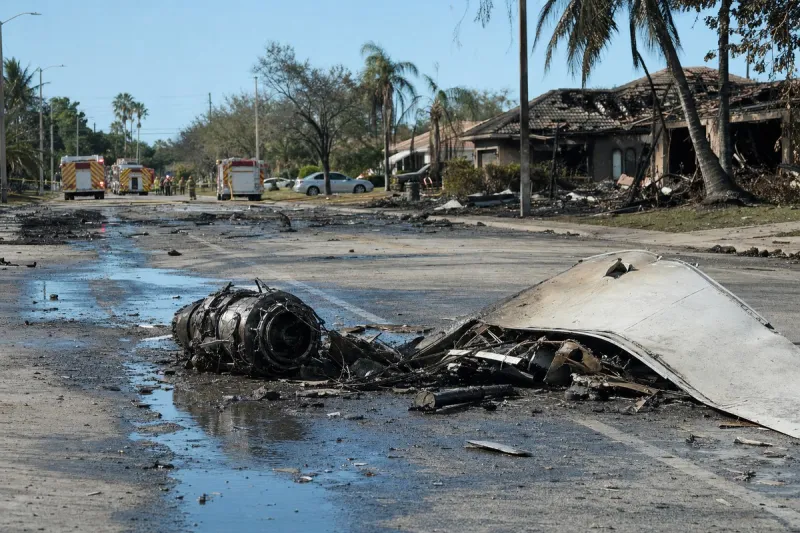
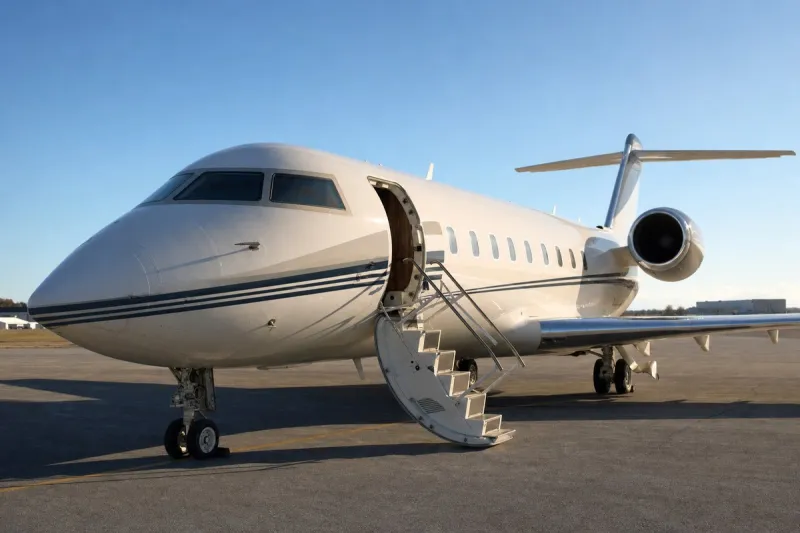
The National Transportation Safety Board said Tuesday that investigators recovered the "majority" of the left elevator of the Learjet 60 that crashed fatally in Palm Beach County, Florida. NTSB member Tom Chapman said the elevator was found in three pieces between 1.3 and 3.8 miles from the impact site. He called it "implausible" that the elevator separated as a result of the impact and said he believes at least some parts of the aircraft separated before the jet hit the ground.
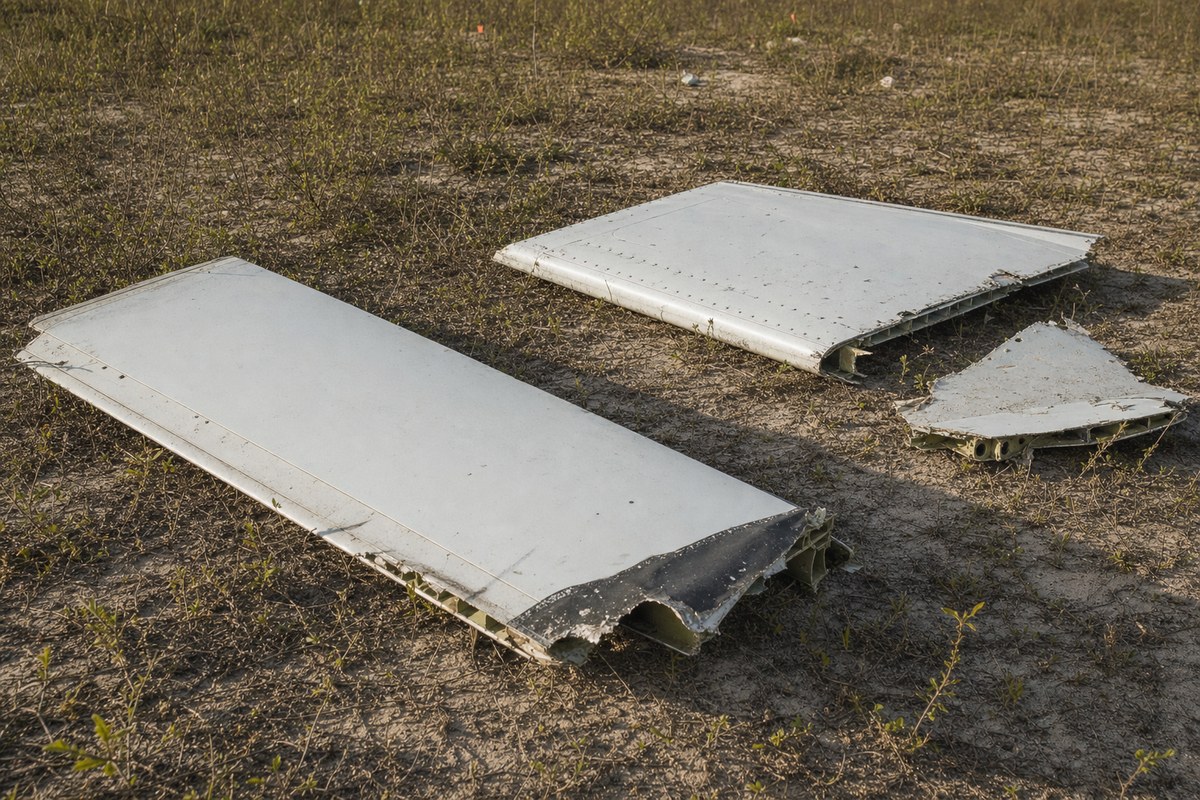
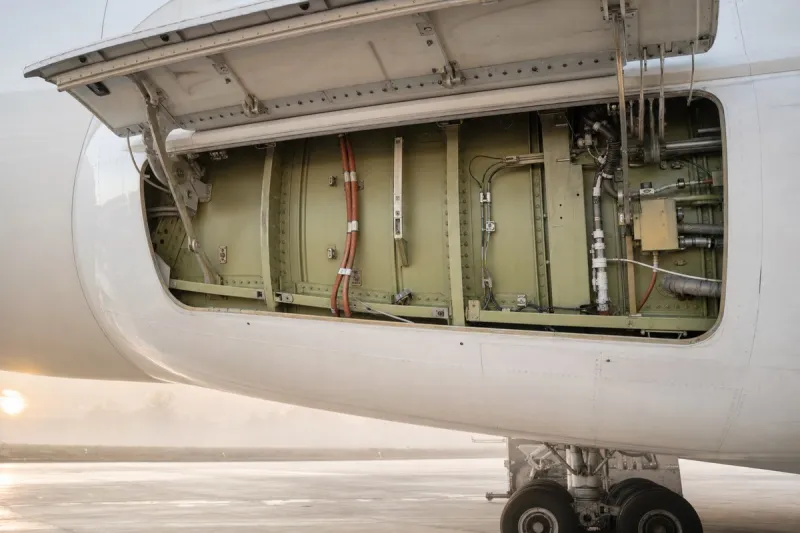
Elevators are the movable parts of the horizontal stabilizer on the tail that control pitch. Chapman said that, given a vertical rate of descent reported by FlightRadar24 as exceeding 32,000 fpm, it is unclear whether the elevator would have helped the crew control pitch even if it had been attached. It is also unclear whether its loss contributed to the crash or resulted from forces acting on the aircraft. The NTSB has asked anyone who finds parts of the jet not to touch or move them.
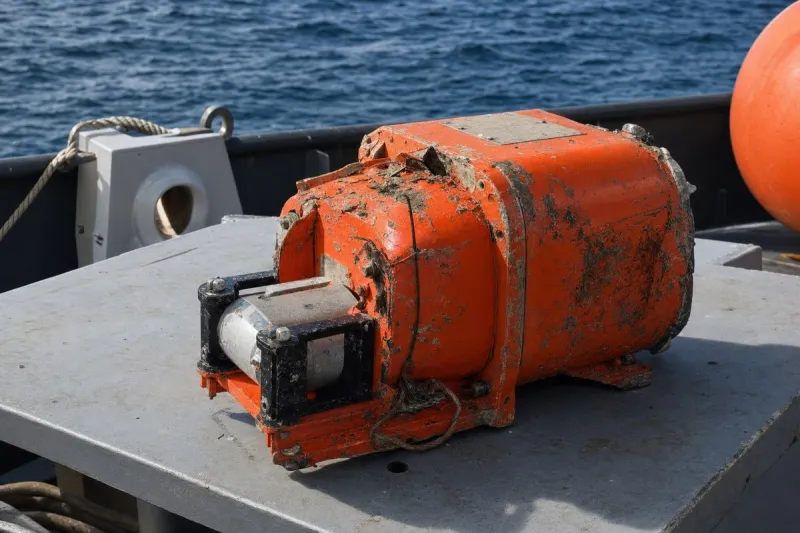
The captain, copilot and seven passengers, all of whom died, were identified Monday. One person on the ground suffered a leg injury, and no other injuries or fatalities near the site have been reported. Investigators are draining water from the impact crater to examine it. Chapman said the wreckage was broken into tiny pieces and that investigators are unsure exactly what they have recovered. Early indications are that a cockpit voice recorder was installed, but it is unclear whether it was aboard at the time, and water in the crater may complicate recovery.
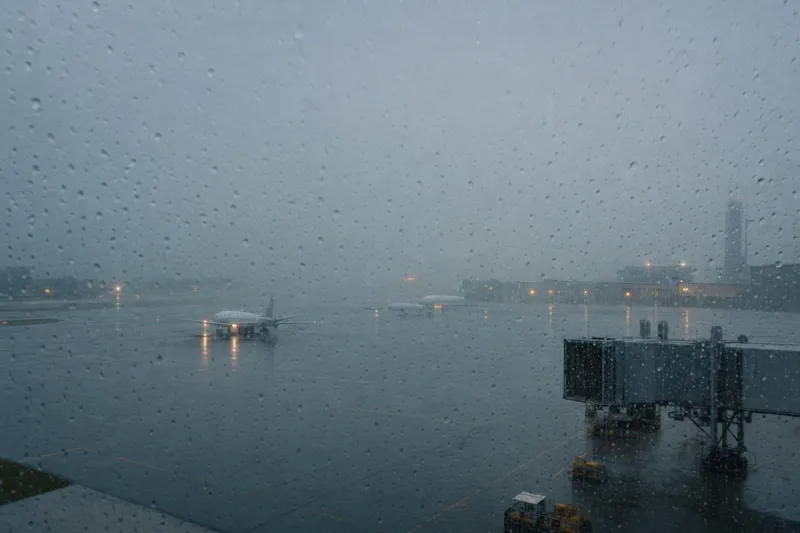
Chapman said weather is a key focus. Convective SIGMETs were active across Florida before the accident. According to air traffic control audio, about 20 minutes before the crash a Miami Center controller warned the crew of moderate precipitation ahead while the aircraft was level at 41,000 feet. The crew requested a direct route to the Freeport ZFP VOR, and the controller warned of moderate to extreme precipitation along that route. ADS-B data shows the aircraft made a slight left turn toward thunderstorms near Palm Beach.
Industry impact & what to watch
A control surface found over a mile from the crater changes the shape of the inquiry. Investigators now have physical evidence to test against two competing lines: a structural failure that began in the air, and forces from an upset that tore the surface away. Which of the two applies is not yet established, and the NTSB's own member described the elevator's role as unclear.
The weather thread runs alongside it. Convective activity, a controller's warnings about moderate to extreme precipitation and a request for a more direct route toward the weather are the elements the NTSB has put on the table. For high-altitude business-jet flying in general, routing around convective cells is a shared decision between crew and controller, and accident reviews tend to reconstruct that exchange minute by minute.
The pending items are concrete: examination of the drained impact crater, identification of what has actually been recovered from the broken wreckage, and whether a cockpit voice recorder was aboard and can be retrieved from the water. Findings from those steps, and from analysis of the recovered elevator pieces, would determine whether the in-flight separation theory holds.