Air Serbia Belgrade-Moscow Flight JU134 Turns Back Over Lithuania for Security Checks
Why It MattersA mid-route return ordered on security instructions shows how passenger-screening decisions can override a schedule on politically sensitive routes, turning a three-hour sector into an overnight disruption for the carrier.
What happened
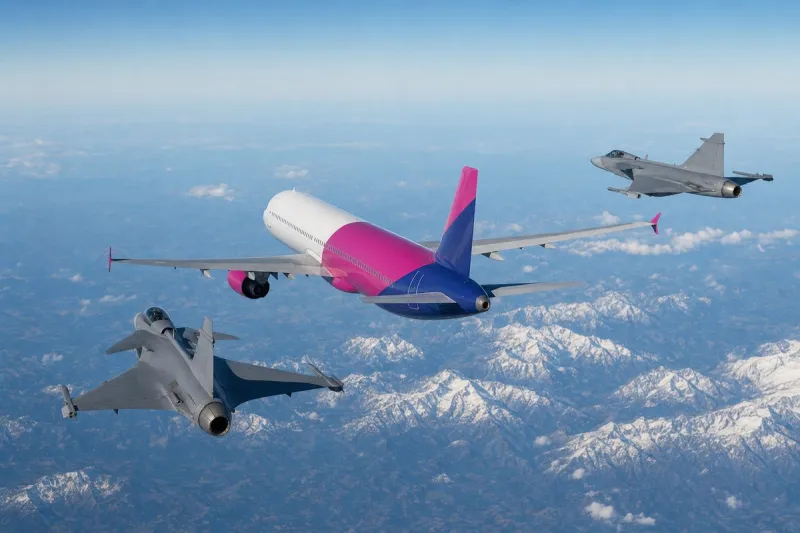
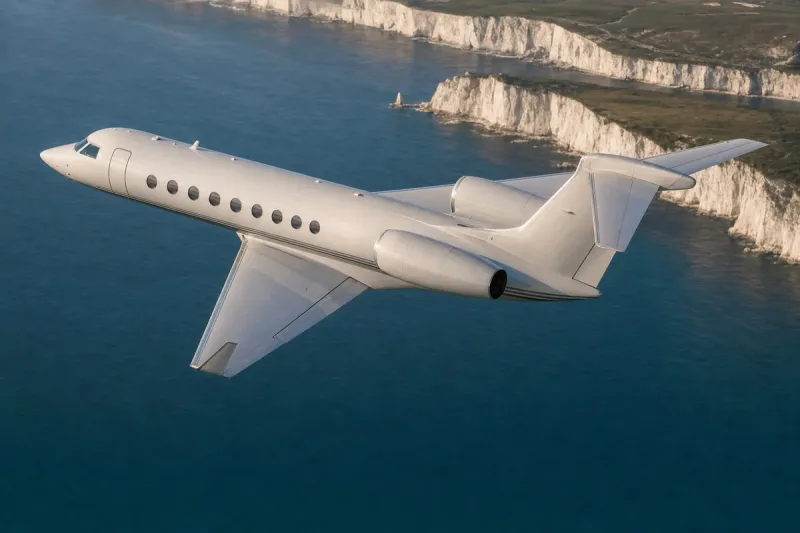
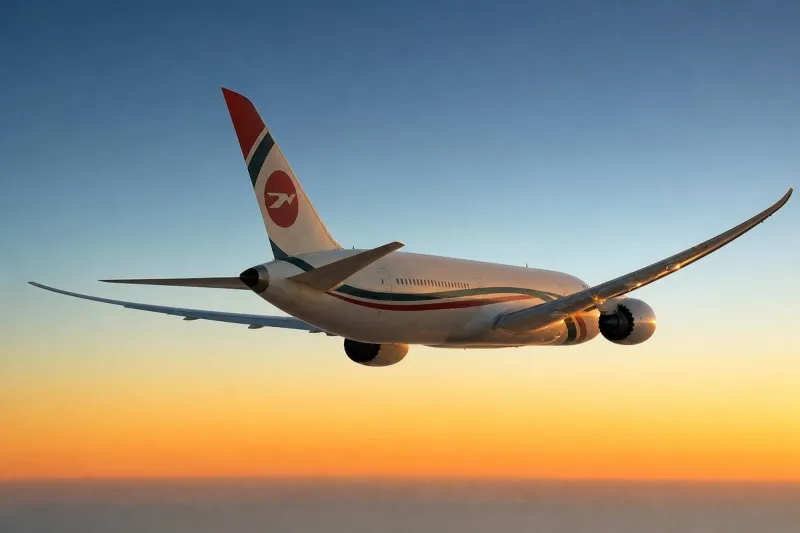
Air Serbia flight JU134, scheduled from Belgrade (BEG) to Moscow (SVO), turned around while over Lithuania so that additional security checks could be carried out on passengers. The incident occurred on Tuesday, November 3, 2026. The 1,074-mile flight was operated by an Airbus A320, registration YU-APH, and was scheduled to depart at 6:25PM and land at 11:40PM, a blocked time of 3 hours 15 minutes allowing for a two-hour time difference.
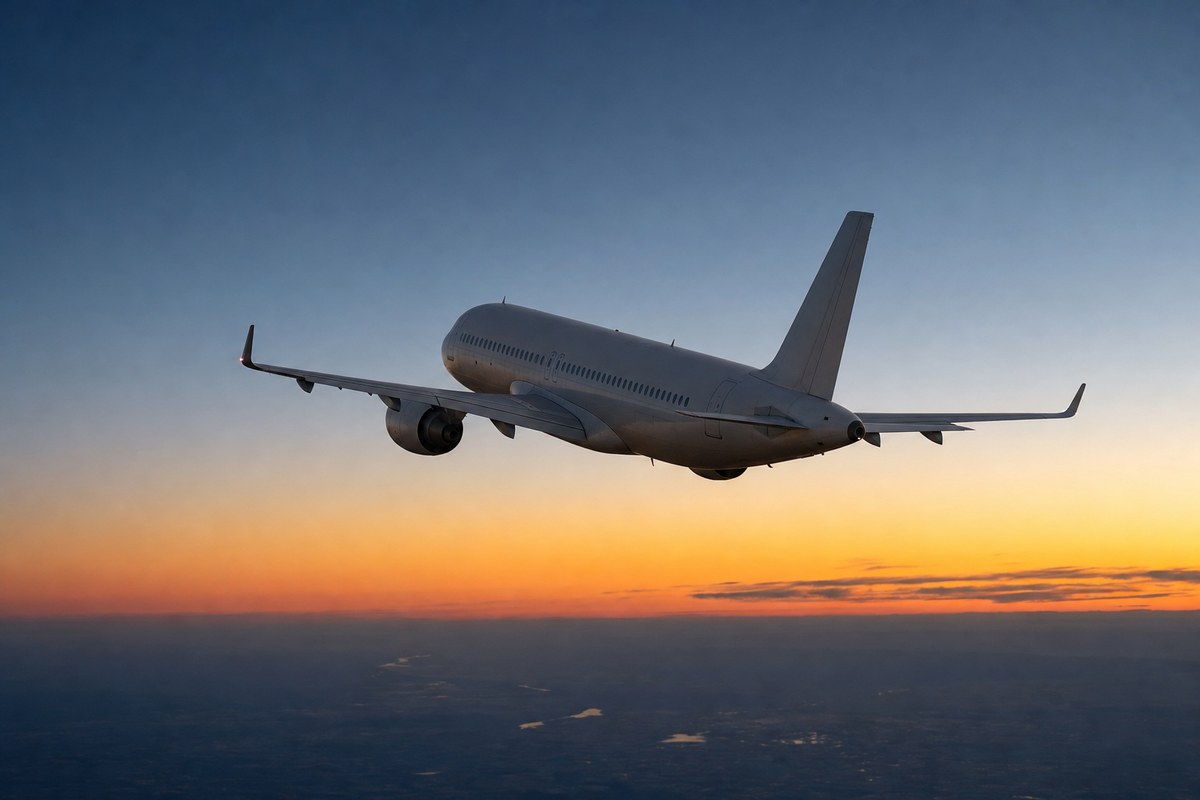
The aircraft took off at 6:48PM and flew north over Hungary, Slovakia, Poland and Lithuania. About 90 minutes after takeoff, more than halfway to its destination, it reversed course and returned to Belgrade, landing at 9:57PM local time. It departed again at 1:56AM on November 4 and landed in Moscow at 6:43AM, more than seven hours behind schedule.
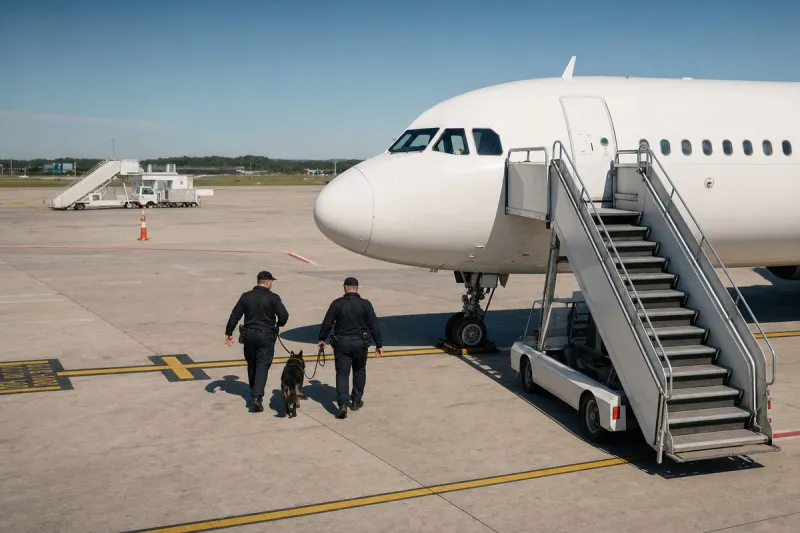
Maintenance was not the cause. The airline said the decision to divert was made "in accordance with the instructions received and all applicable security rules."
Among the passengers were associates of former Serbian president Aleksandar Vucic, who recently lost an election, including Aleksandar Vulin, who served as deputy prime minister until 2025 and is viewed as strongly pro-Russia; the US has imposed sanctions on him over his ties with Russia. Serbian media reports suggest that security camera footage at Belgrade Nikola Tesla Airport was reviewed and that someone was found to have helped him avoid security checks. Vulin denies being the reason for the diversion and calls it a politically motivated act by the new authorities.
Industry impact & what to watch
A turnback after the aircraft has covered more than half the route is among the most expensive ways to resolve a screening concern. The sector is flown twice over, crew duty time and aircraft utilisation absorb the cost, and passengers reach their destination more than seven hours late. Operators weigh that cost against the instruction they receive, and the airline's own wording places the decision with whoever issued that instruction rather than with the flight crew.
Routes between Serbia and Russia run through airspace and political conditions that few European carriers share, which means a change of government can alter how screening instructions are issued and acted on without any change in the flying itself. Passenger lists that include sanctioned or politically exposed individuals add a compliance layer that scheduled carriers handle at the gate, and a lapse found after departure can only be corrected by returning.
The open questions are the ones the parties are already contesting: which authority issued the instruction, whether the airport footage review produced a finding about the screening lapse, and whether Vulin's claim of a politically motivated act draws any response from the new authorities. Air Serbia has so far cited only the instructions it received and applicable security rules.