Belarusian Woman Sentenced in US to 12 Months and One Day for Illegally Exporting Aviation Equipment to Russia
Why It MattersThe case shows that US export controls on aircraft parts reach suppliers and intermediary shipping routes, so licence compliance and end-user verification weigh on every link in a parts transaction.
What happened
The US Department of Justice announced the sentencing of Belarusian citizen Yana Leonova, who was found guilty of illegally exporting avionics and other aviation equipment from the United States to Russia. The court sentenced her to 12 months and one day in prison and ordered that she be deported after serving her sentence.
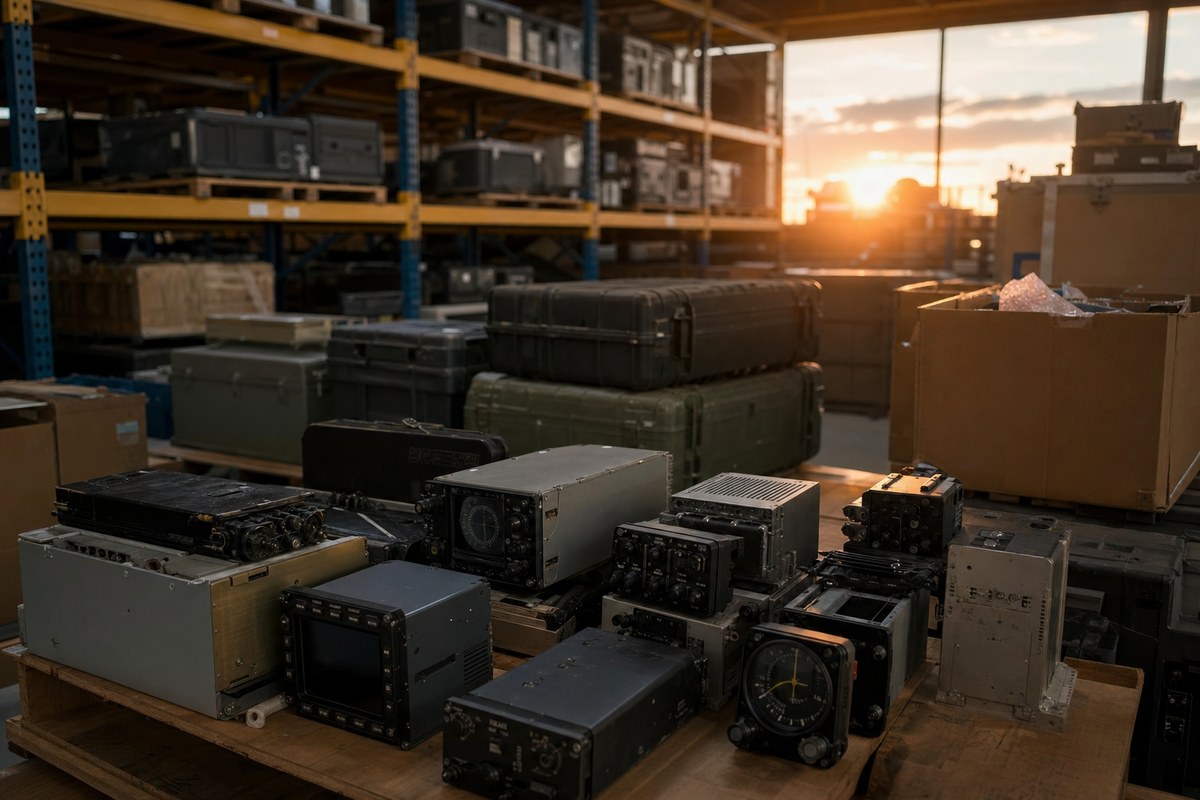
Leonova was detained in France in September 2024 and extradited to the United States in November 2025. According to the indictment, she arranged the illegal purchase and export of aviation equipment and other components to Russia in May 2022, after the start of Russia's full-scale invasion of Ukraine, with the assistance of accomplices based in the United States.
The goods were intended for private aircraft operated by a company that was her former employer and had been placed on the US Department of Commerce's sanctions list. Prosecutors allege that Leonova and her accomplices bought aircraft parts from US suppliers and shipped them to Russia through intermediary companies registered in Armenia, the Maldives and other countries, without obtaining the required export licences. Information about the actual end users and destinations was concealed and falsified.
Industry impact & what to watch
The case belongs to the enforcement of US export controls on aircraft components, where the legal exposure sits not only with the final buyer but with everyone who sells, ships or re-routes the part. Avionics and similar equipment for private aircraft move through a chain of suppliers, forwarders and trading companies, and a licence requirement applies at the point of export regardless of how many intermediaries sit between the US seller and the aircraft.
The alleged route, through intermediary companies in third countries with concealed end users, is exactly the structure that export-control compliance programmes are built to detect. For parts suppliers and brokers in business aviation, the practical standard is that an order is only as clean as the verified end user, the destination and the licence position taken together, and that an unusual intermediary in the middle of a transaction is itself a signal.
The sentence also shows the timeline such cases run on: detention in France in September 2024, extradition in November 2025, and sentencing now, with deportation to follow. Enforcement against individuals can reach across borders and continue long after the original shipments in May 2022.