Air Charter Safety Foundation's October 2026 ASAP Case Studies Cover Wrong-Runway Alignment, Near Runway Conflict and Ramp Wingtip Contact
Why It MattersFatigue, runway-configuration changes and ramp marshalling recur as weak points in charter operations, and ASAP review shows these routine task failures arise from ordinary workload and visibility conditions rather than unusual events.
What happened
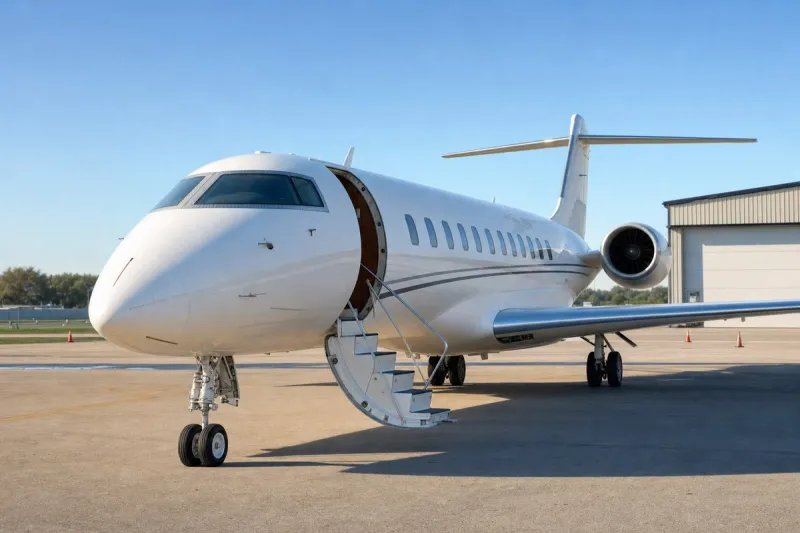
The Air Charter Safety Foundation's October 2026 ASAP Case Studies present three events drawn from Aviation Safety Action Program reports, each with Event Review Committee (ERC) closing notes and safety takeaways.
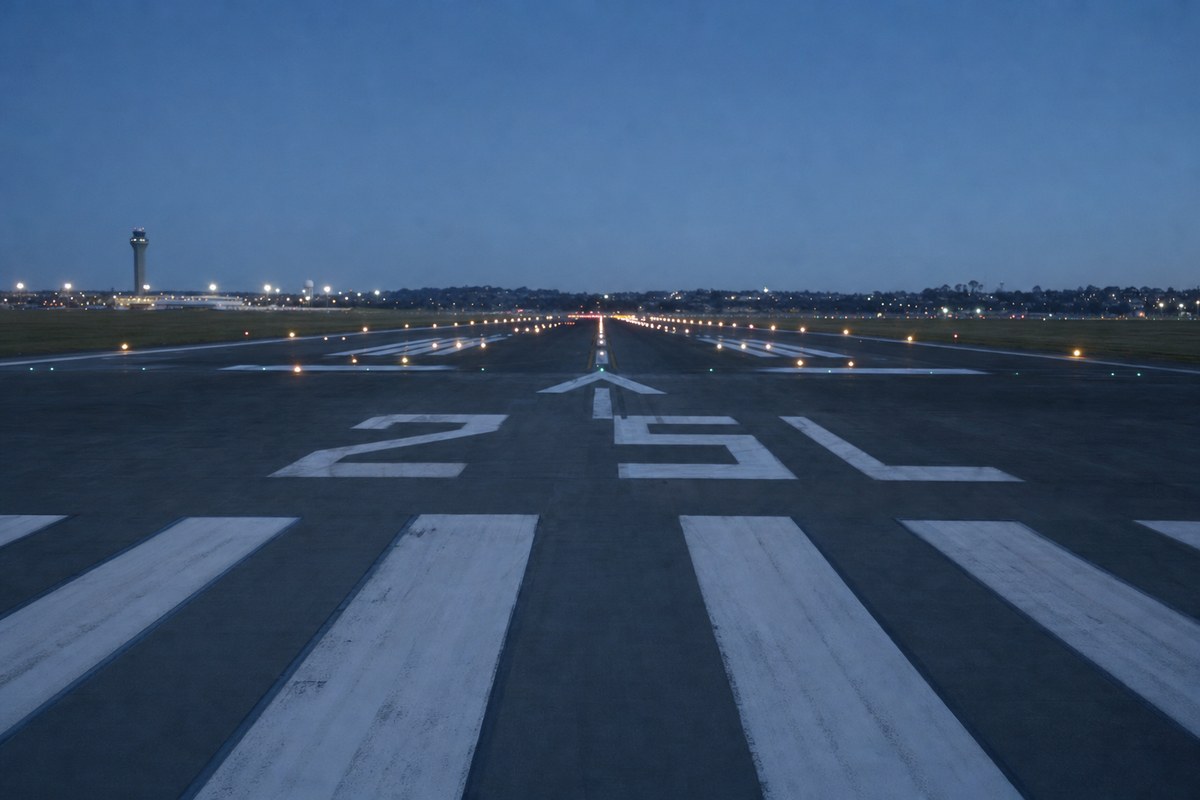
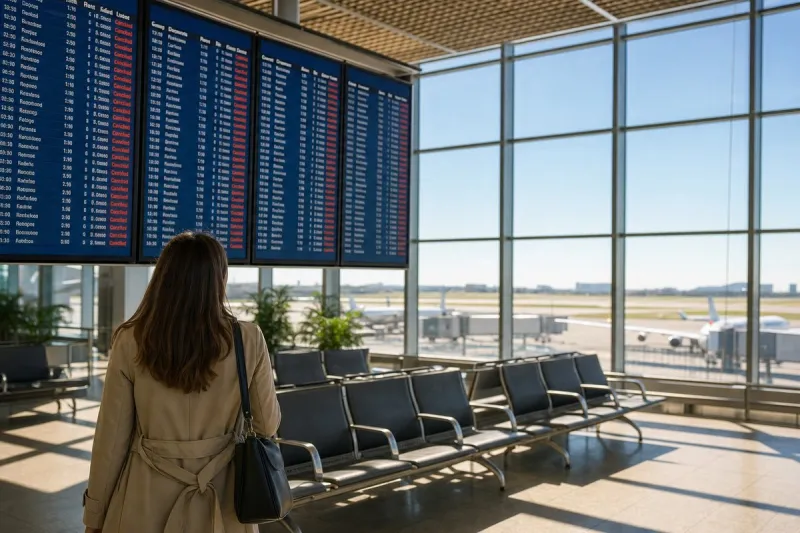
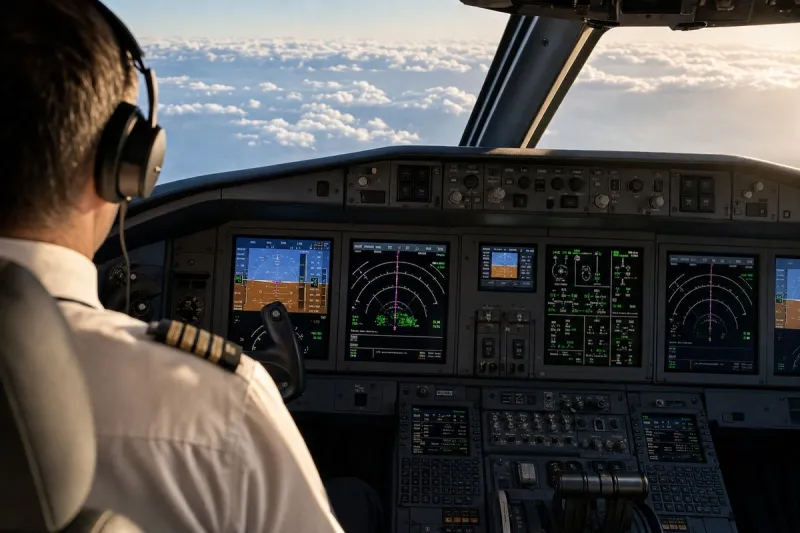
In the first case, a crew flying overnight to a Class B airport departed 67 minutes late (0806Z against a scheduled 0659Z) and landed 76 minutes late (1029Z against 0914Z). They had briefed the ILS to Runway 25L, but the ATIS changed during the descent: 25L was closed and aircraft were told to expect the ILS to 24R. The crew loaded the 24R procedure while ATC had cleared them to 25R, and ATC asked why they were lining up for 24R. They were vectored for the ILS 25R and completed the flight. Both pilots were East Coast based, and the 0329 PDT landing equated to 0629 EDT.
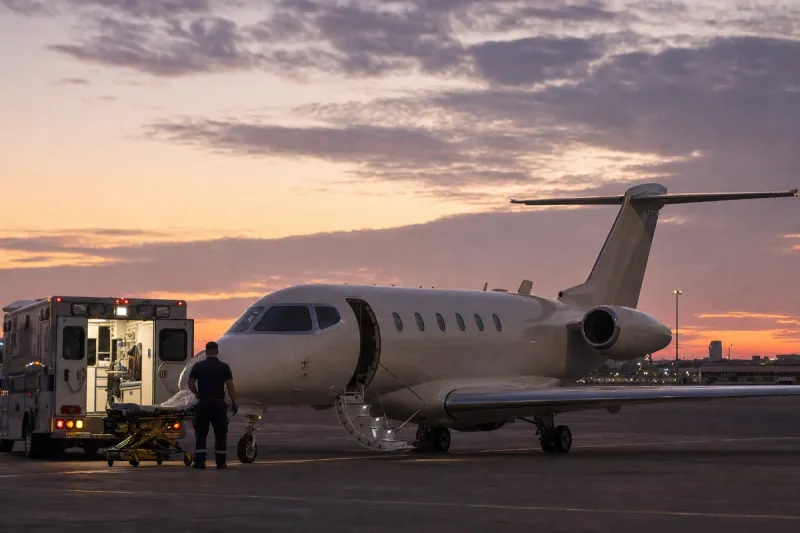
In the second case, a MEDEVAC crew departing a non-towered airport found traffic split between Runway 13 and Runway 31. A TBM taxied for Runway 31 while a regional jet landed and a King Air departed from Runway 13. After the King Air took off, the crew announced they would take the runway, received no response from the TBM, and rolled onto the runway, then stopped when the pilot hesitated. A change in runway slope blocked the view of the far end. The TBM appeared airborne over the horizon heading toward them and turned left to avoid overflying the aircraft.
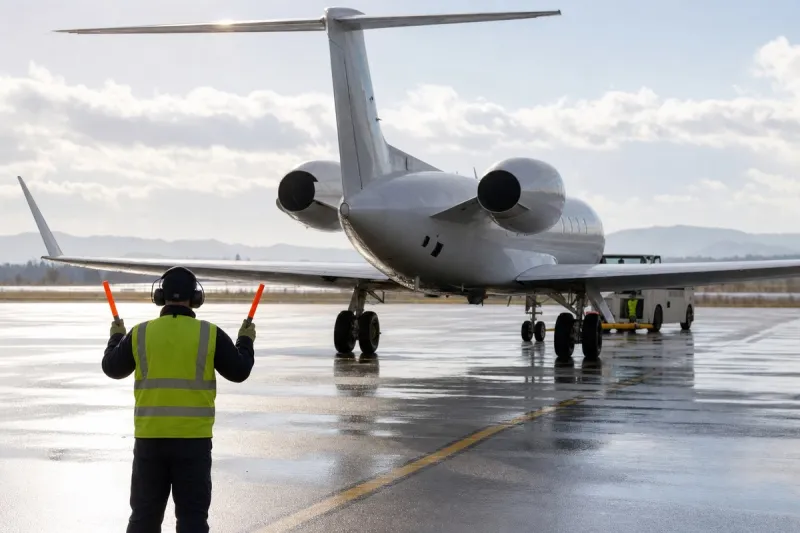
In the third case, a crew taxied onto an airport ramp after landing on Runway 28, crossing Runway 16 with Tower permission. They first mistook a person on the ramp for their marshaller, then found the actual marshaller. The captain checked wingtip clearance at least twice, but the aircraft's wingtip collided with another aircraft, which the other crew reported on the radio. The ERC noted the crew no longer saw a wing walker, continued, and clipped the aircraft. The company held a round table on taxiway usage and added a safety brief on airport operations to its quarterly newsletter.
Industry impact & what to watch
The three cases sit at different phases of flight, yet each turns on a mismatch between what the crew expected and what the airport was actually doing: a runway that closed mid-descent, a departure runway whose far end could not be seen, a ramp where the marshaller was not where the crew looked. Charter and MEDEVAC flying leans heavily on this kind of improvised situational picture, because crews often operate into unfamiliar airports on irregular schedules.
ASAP programs exist to capture exactly these events without penalty, and the value of publishing them with ERC notes is that operators can compare their own procedures against concrete failure sequences. A late arrival that lands in the crew's circadian low, a non-towered airport with split-runway traffic, and a congested ramp are conditions any charter operator will meet repeatedly, so the lessons transfer regardless of aircraft type.
The next useful signal is whether operators fold items like ATIS-change re-briefs, radio confirmation before entering an active runway, and wing-walker requirements into their standard procedures, as the company in the third case did through a round table and its quarterly newsletter.