ATSB: Instructor Likely Practising Spin Recovery in Fatal Cessna 210N Crash Off South Australia
Why It MattersThe case shows that unauthorised manoeuvres can persist inside small flight-training operations when peers who know of violations feel powerless or unobligated to report them, so safety depends on reporting culture.
What happened
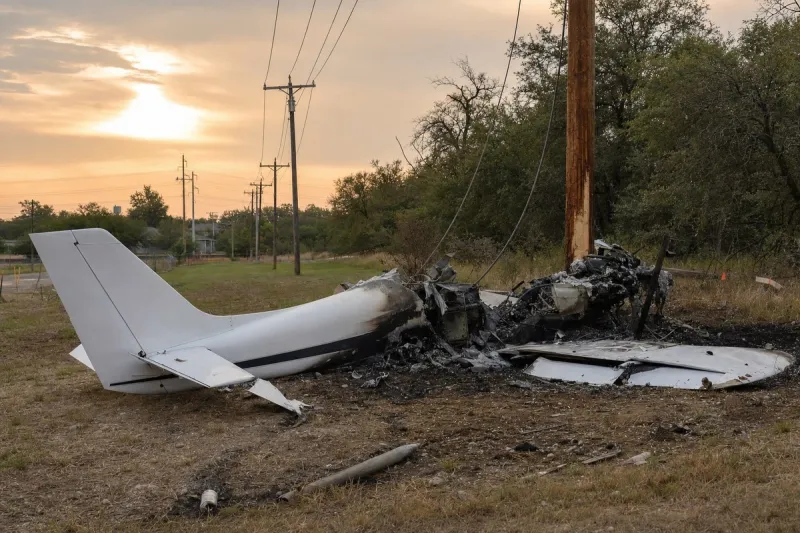
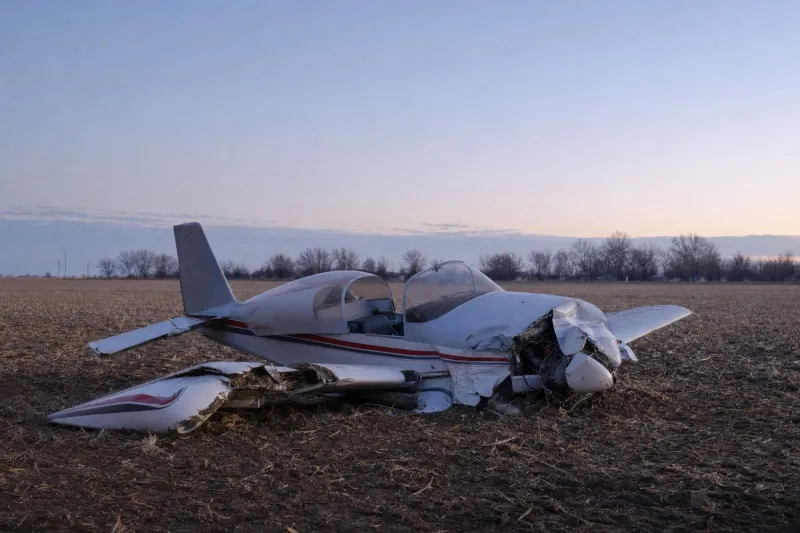
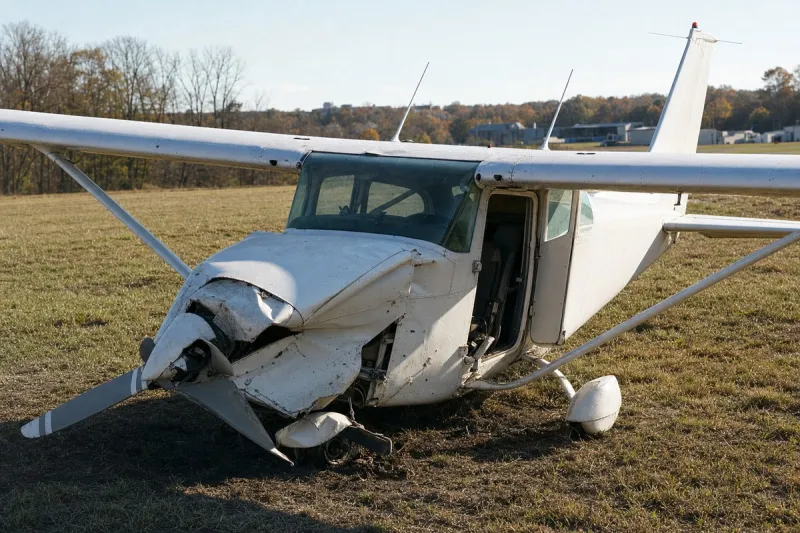
A Cessna 210N crashed into the ocean near the Murray River mouth in South Australia, killing all three men on board. The Australian Transport Safety Bureau (ATSB) investigation found that a flight instructor with a history of breaching limits on manoeuvres was likely conducting spin recovery practice when the accident occurred.
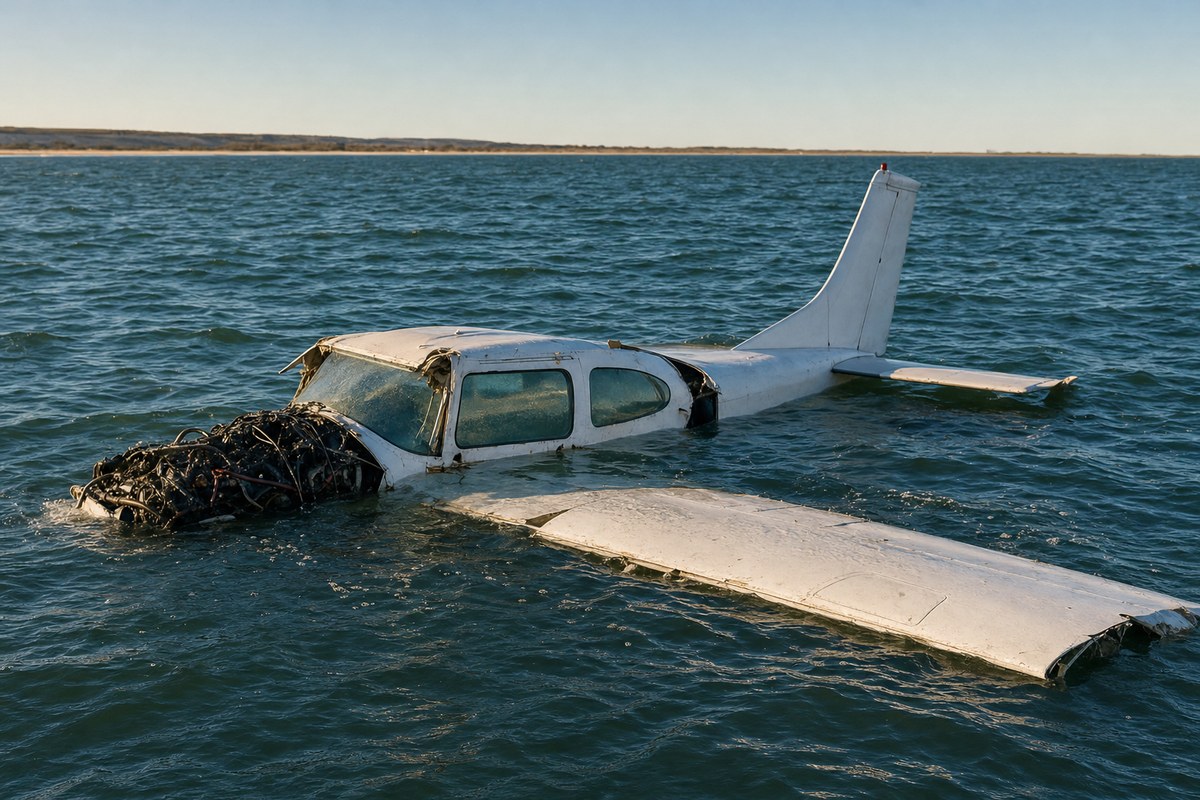
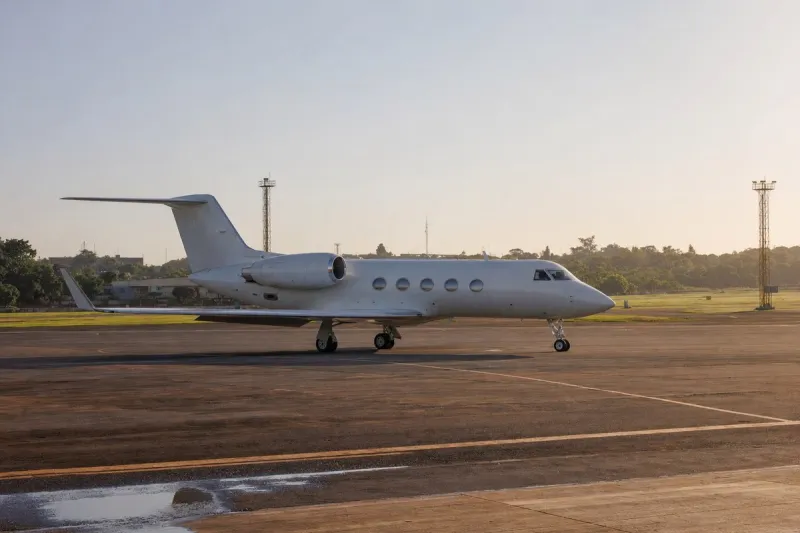
The single-engine aircraft, which is not approved for intentional spinning, took off from Goolwa Airport, south of Adelaide, on February 6. Twelve minutes into the flight it entered a steep spiral and crashed near the Murray River mouth, a popular fishing spot where the river meets the Southern Ocean. The dead included instructor Leo Howard.
The ATSB said the instructor had a history of spin activity violations in the aircraft, from which he had previously recovered successfully before the spin fully developed. ATSB chief commissioner Angus Mitchell said this likely gave the instructor the confidence to begin spins at progressively lower heights.
A witness recorded footage on a mobile phone, presuming the aircraft was a 'stunt plane'. The report said the video indicated the aircraft was recovering from the spin just before the collision, and that it likely could have been recovered had the instructor not lowered the entry height.
The investigation found the commercial pilot likely mishandled the recovery during the early developing stage of the spin, and that Howard did not intervene in time to prevent the spin becoming fully developed. His earlier violations had not been reported to the aircraft operator or the Civil Aviation Safety Authority, so no action was taken.
Mitchell said other pilots who knew of the unauthorised spins were reluctant to report them, including because they felt powerless to act or believed it was not their responsibility.
Industry impact & what to watch
The central finding here is less about handling technique than about information flow. A pattern of limit breaches existed in this aircraft's history, yet neither the operator nor the Civil Aviation Safety Authority held any record of it. Where oversight of small training and club-style flying relies on what individual pilots choose to pass upward, a violation that is known to peers but never reported is invisible to every body able to act on it.
Mitchell's point about reporting systems matters for that reason. Pilots who knew of the unauthorised spins did not report them because they felt powerless or saw it as someone else's job, so a channel that exists on paper does not fix the problem. Reporting schemes in general aviation only work if they remove those specific barriers, which is a design question for operators and regulators rather than a matter of individual discipline.
The progression described, successful recoveries first and then lower entry heights, also illustrates how normalised deviation erodes margin. Each uneventful recovery reinforced confidence while the safety buffer shrank, and an instructor is the person whose habits trainees and colleagues are most likely to observe and absorb.
The next milestone is any response from the operator or the Civil Aviation Safety Authority to the ATSB's findings on reporting barriers, since that is where the finding would turn into changed practice.