KLM to Cancel Selected Flights From October 26, 2026 to Early March 2027 to Hold More Long-Haul Aircraft in Reserve
Why It MattersPlanned schedule trimming to build spare-aircraft cover shows how airlines with maintenance and parts constraints trade a smaller advertised network for more reliable day-of operations and easier passenger rebooking.
What happened
KLM Royal Dutch Airlines has told staff it will cancel selected services from October 26, 2026, until early March 2027. The purpose is to free up more intercontinental aircraft to serve as reserves, so that the flights KLM continues to operate are less exposed to last-minute cancellations. De Telegraaf first reported the plan, and a KLM spokesperson confirmed it to NL Times. Some flights are already using aircraft different from those originally scheduled, and NL Times reported that KLM canceled at least five intercontinental routes at short notice over the preceding weekend.
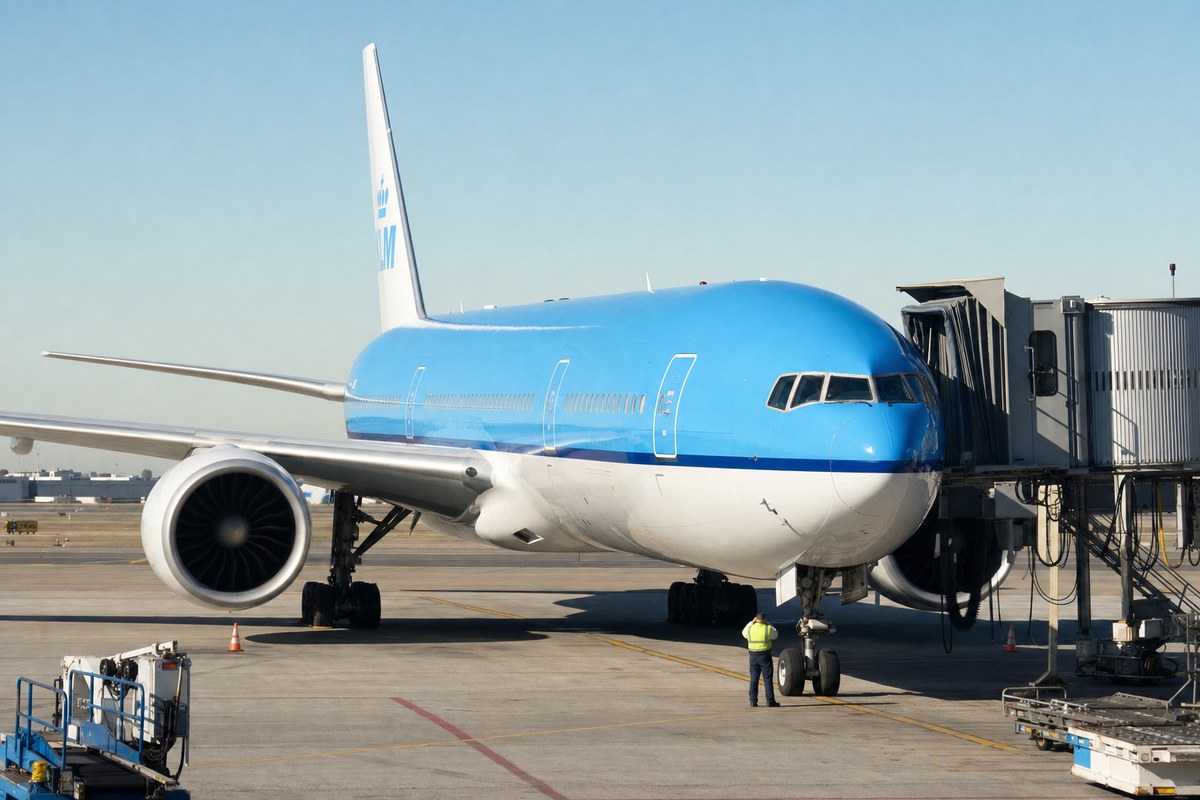
KLM has not released a total number of canceled flights or a list of affected destinations. According to NOS, the airline is reviewing flights where cancellations would have the least impact and where passengers could be rebooked more easily. Deep Arrival notes that KLM's winter schedule covers 164 destinations between October 25, 2026, and March 27, 2027.
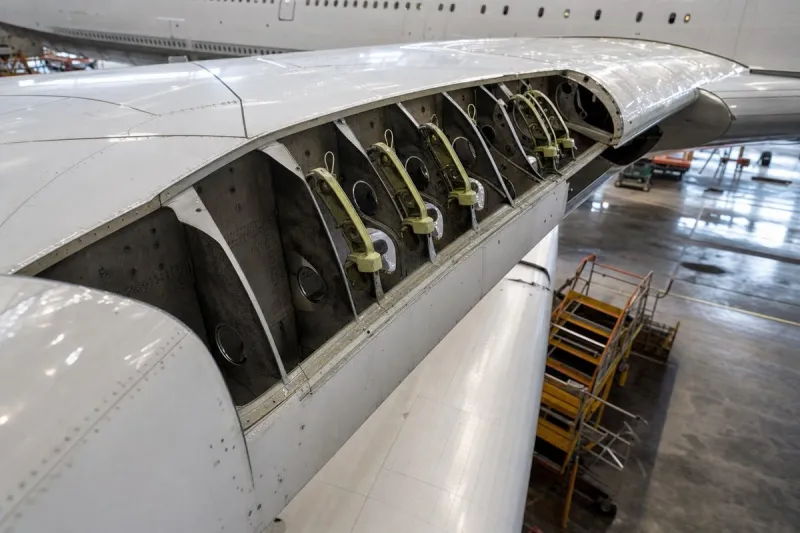
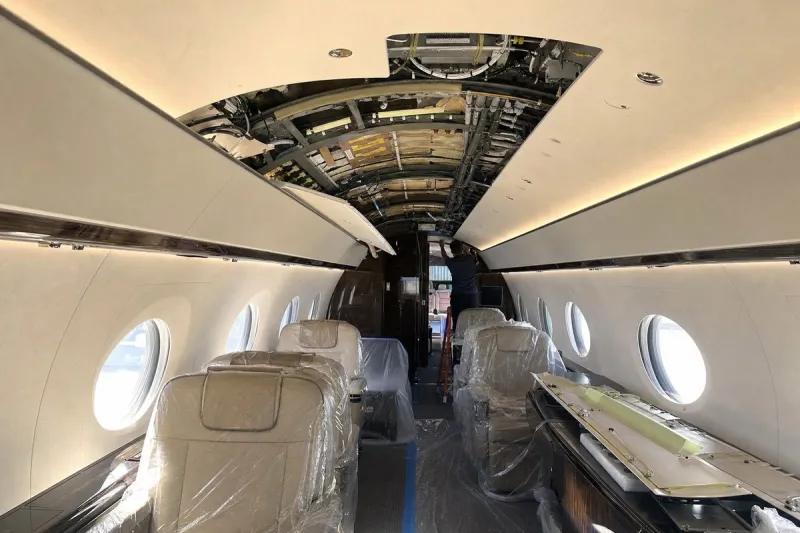
The airline's explanation, as relayed by NOS, cites unplanned maintenance, repairs after damage, scheduled work running longer than expected, and spare parts that do not always arrive on time. Older aircraft can also take longer to repair as KLM replaces them with newer models. A KLM spokesperson told NL Times: "Every aircraft on the ground costs us money." Operational Director Mathieu Essenberg said changing the schedule was not the airline's preferred option, but that informing customers earlier gives them more certainty and leaves KLM more flexibility on the day.
NOS reports that the Human Environment and Transport Inspectorate (ILT) placed KLM's maintenance division under intensified supervision in May. The division has not met the new standards, which require minor maintenance tasks to be completed faster and recorded correctly. The shortcomings described concern turnaround times and documentation, not a finding that aircraft were operated unsafely. KLM and NOS have not directly linked the supervision to the current cancellations.
NOS also reports that KLM has invested €7 billion (about $7.8 billion) in fleet renewal and that a new Airbus A350 has arrived at Amsterdam Schiphol Airport (AMS); a KLM spokesperson said the aircraft needs time before it can begin operating. On the engine side, IBA says engine shop slots have been scarce and estimates the average gate-to-gate turnaround for a CFM LEAP engine reached about 230 days in 2025, a narrowbody example that is not evidence about KLM's fleet.
Industry impact & what to watch
Building a reserve pool by removing scheduled flights is a trade airlines make when aircraft availability is less predictable than the timetable assumes. Every aircraft held as a spare is capacity the airline cannot sell, but a cancellation announced weeks ahead is cheaper and easier to manage than one made at the gate, because passengers can be rebooked in advance and crews and slots reshuffled. The choice to cut the flights that are easiest to rebook reflects the same logic: the airline is deciding where disruption does the least damage.
The case also illustrates how fleet transition and maintenance capacity interact. When older aircraft are being phased out while new ones are still entering service, the combined fleet can be tighter than either the old or the new plan suggests, and slow repairs on legacy aircraft feed straight into schedule reliability. Scarce engine shop capacity and delayed parts are industry-wide pressures, so an airline in this position has few quick levers beyond holding more spares.
The next concrete disclosure is the list of canceled flights and destinations, which KLM has yet to publish and which will show how much of the winter schedule is actually affected. Whether Essenberg's expectation that the measures will stabilise operations holds will be visible in how many short-notice cancellations still occur once the reserve aircraft are in place.