Gulf War and Potential Record El Nino Squeeze Charter Planning Margins Ahead of Peak December-January Travel
Why It MattersTaken together, a degraded Gulf diversion network and weather-driven Asia-Pacific disruption push charter economics toward longer sectors, thinner alternates and shorter-notice itinerary changes just as peak-season demand arrives.
What happened
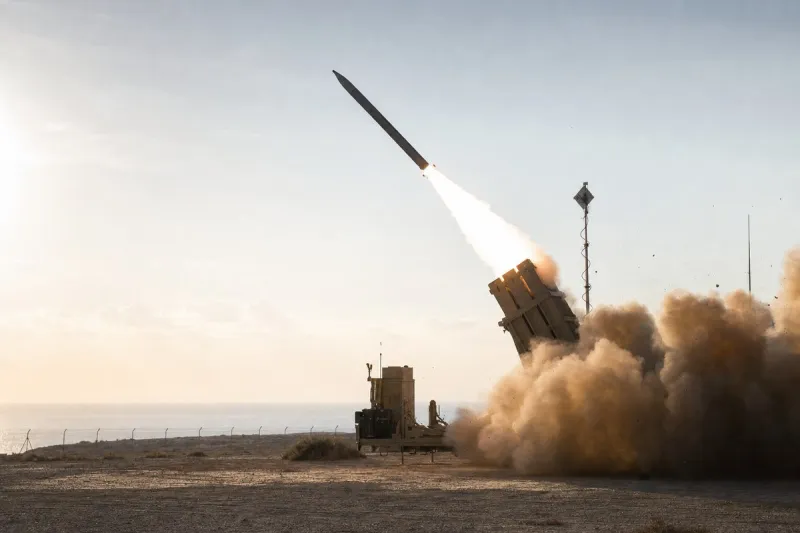
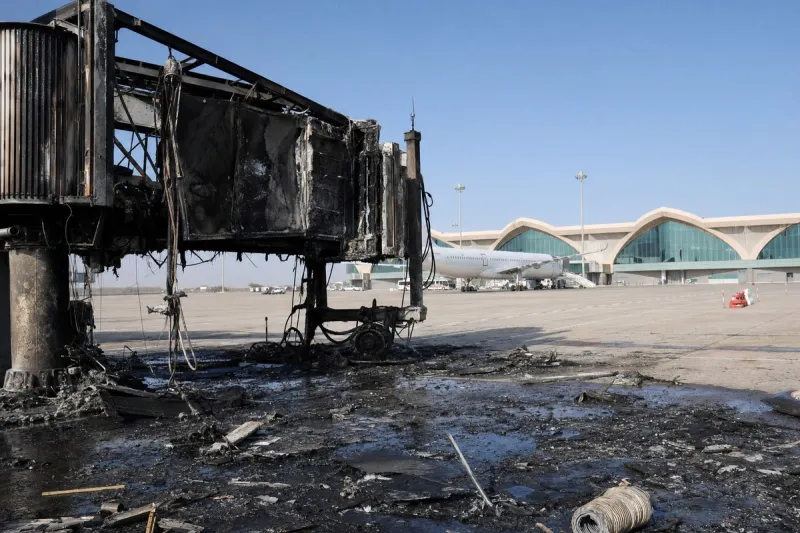
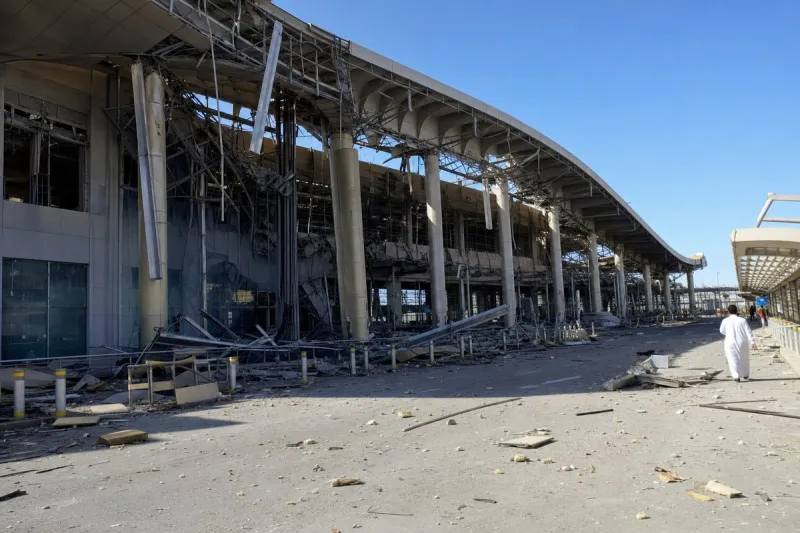
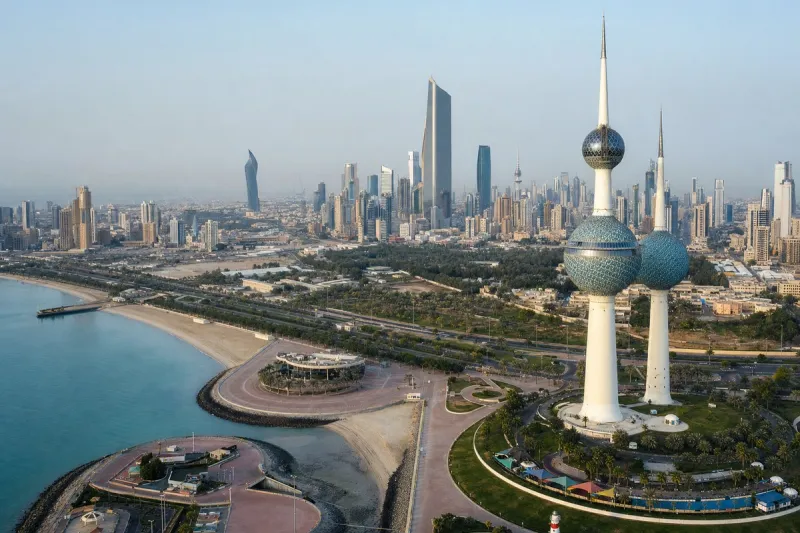
Saudi authorities reported intercepting Houthi drones over Riyadh, Medina and an Aramco oil processing plant at the Shaybah field in Eastern Province on October 21 and 22. The Houthis have claimed attacks on Saudi oil facilities and airports. Iran has effectively blocked the Strait of Hormuz and has struck civilian infrastructure across Arab cities, with reporting citing targets in Dubai, water plants in Kuwait and data centres whose disruption affected banking in several countries. Iranian commanders have floated widening targets to undersea cables, data centres and regional oil assets.

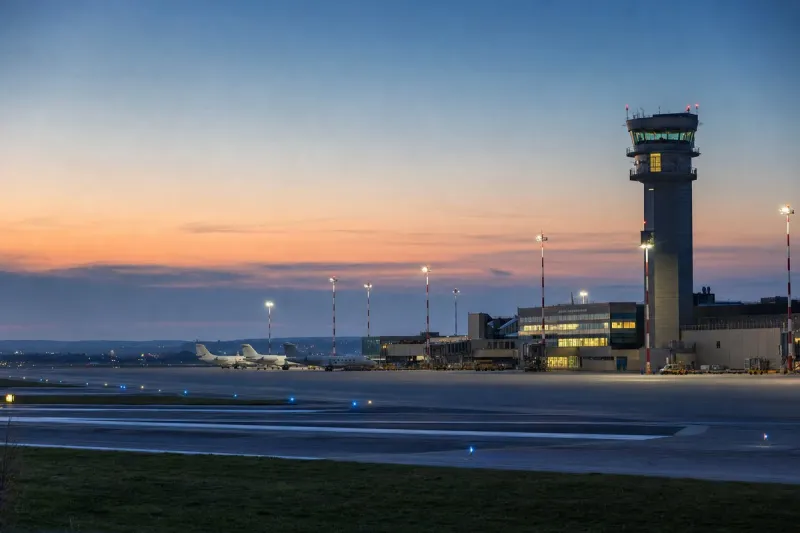
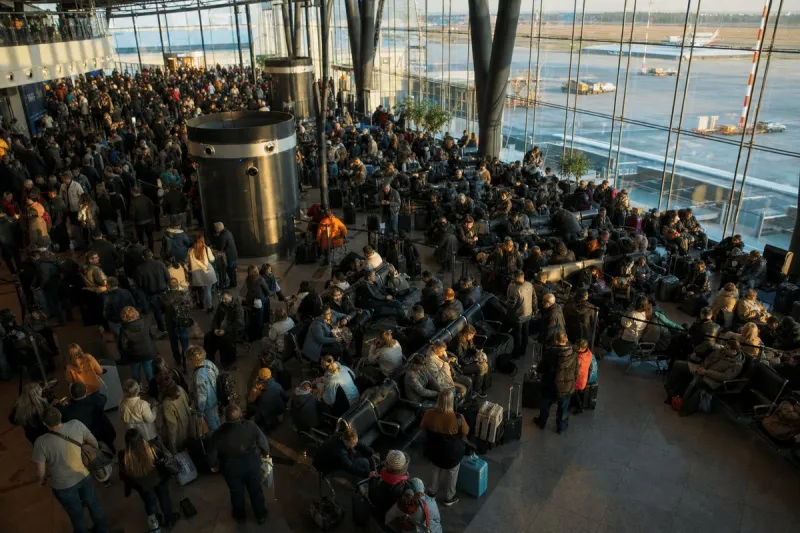
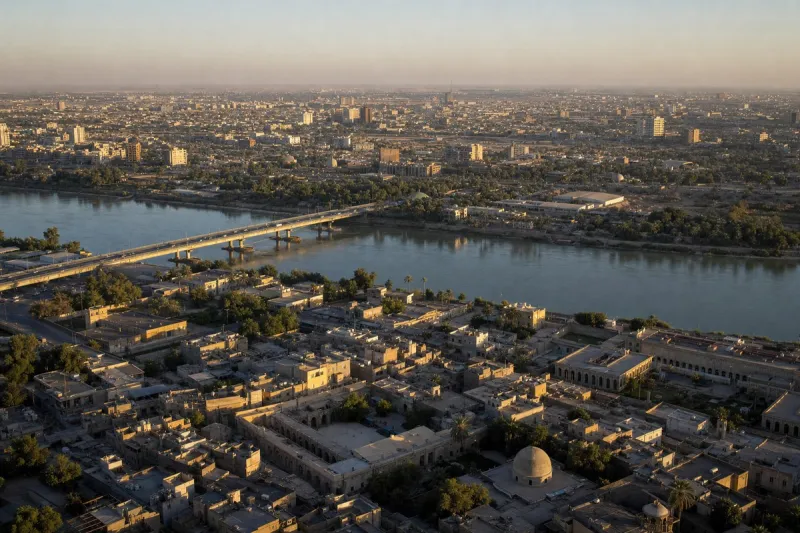
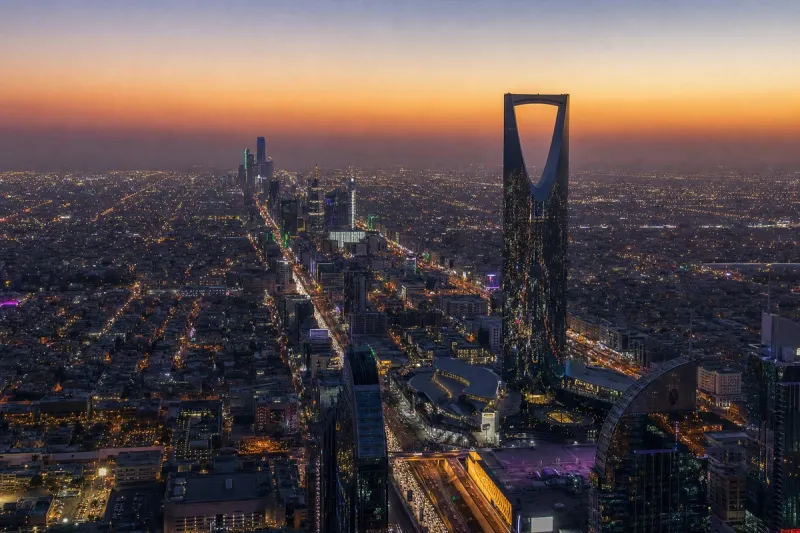
The European Union Aviation Safety Agency (EASA) has extended its Persian Gulf conflict-zone guidance to November 16; it is risk guidance for assessment, not a prohibition. Riyadh's King Khalid International reopened on October 18 but is running at limited capacity, and Riyadh and Dammam alternates remain limited. A South African visa concession for passengers affected by airspace closures lists Iran, Iraq, Syria, Qatar, Bahrain, Kuwait and Lebanon among the affected countries.
Scheduled carriers show how others are pricing the risk. Qatar Airways still flies multiple daily services to Dubai but has cancelled Riyadh and Dammam, and has rebuilt to roughly 85 per cent of its pre-conflict network across more than 160 destinations, with free date changes to October 31. Etihad extended cancellations to Riyadh and Dammam and selected Jeddah services to October 24, and Air India and IndiGo suspended Saudi services on the same horizon. British Airways has set Dubai and Riyadh resumption for November 3 and Amman for November 4, and does not expect Abu Dhabi back until winter 2027-28.
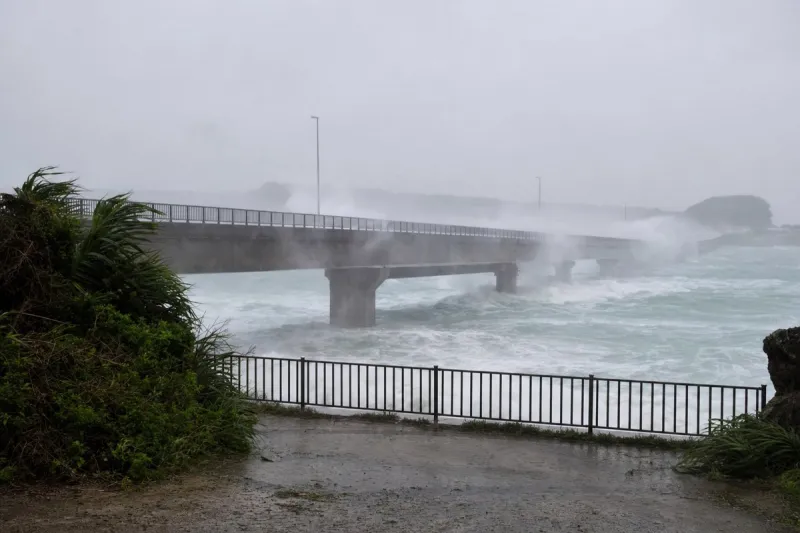
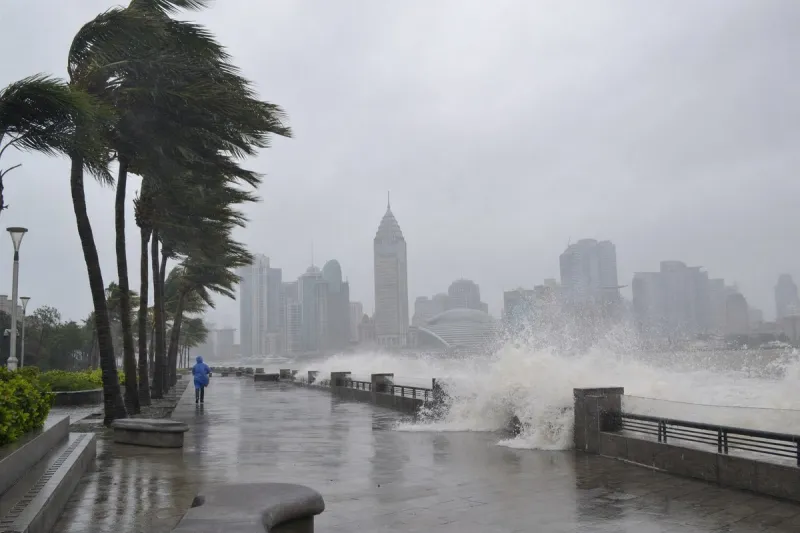
In Asia-Pacific, Typhoon Champi forced Taiwan to shut down, with close to 1,000 flights cancelled and more than 500 people injured although the storm did not make landfall; forecasts suggest it could move toward southern Japan. China has logged about 29.9 billion dollars in direct disaster losses in the first nine months of 2026, with 26 typhoons forming in the Northwest Pacific and South China Sea and seven landfalls, both above average. Flooding has repeatedly delayed flights at Ho Chi Minh City, and Thai Airways has cut 30 per cent of its flights because of Thai floods.
The World Meteorological Organization describes the current El Nino as potentially the strongest on record. Tropical Pacific sea surface temperatures may run up to 3.8 degrees Celsius above average between November 2026 and January 2027, peaking around December and exceeding the 2015-2016 record. UN agencies warn of extreme heat, drought and flooding across Latin America, Eastern and Southern Africa, Asia and the Pacific, and heavy rain is already closing attractions such as Iguazu Falls.
Routing, alternates and insurance
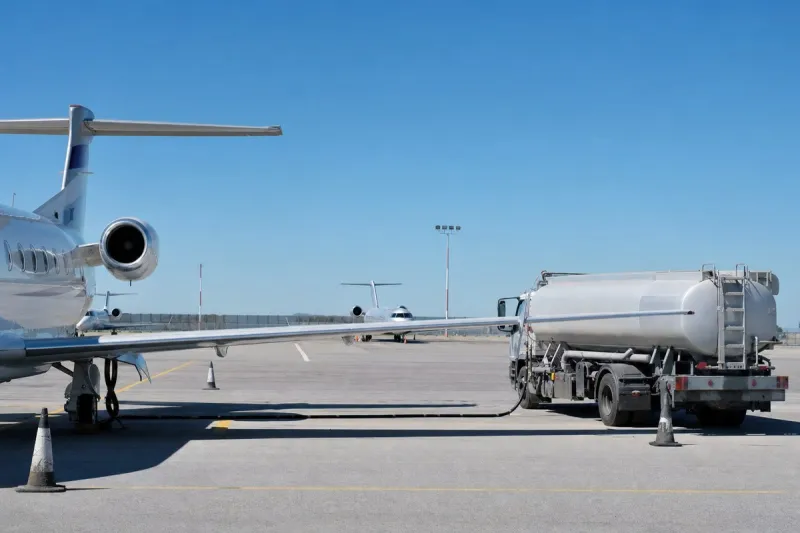
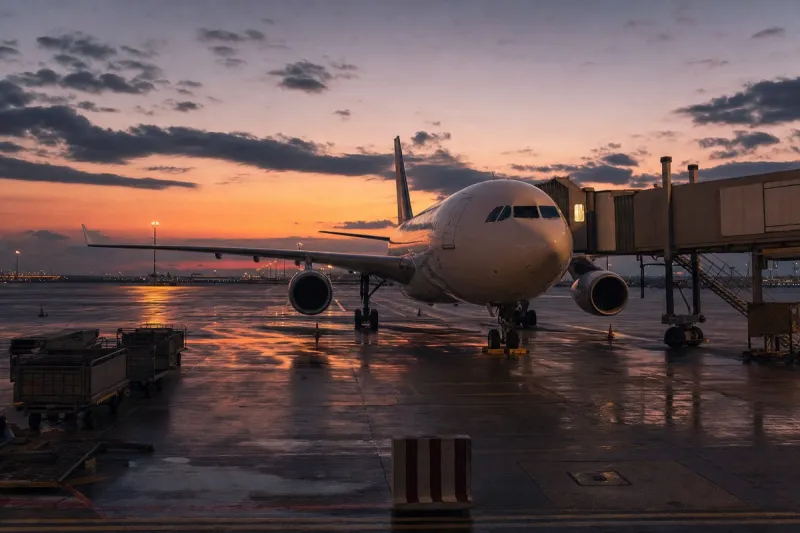
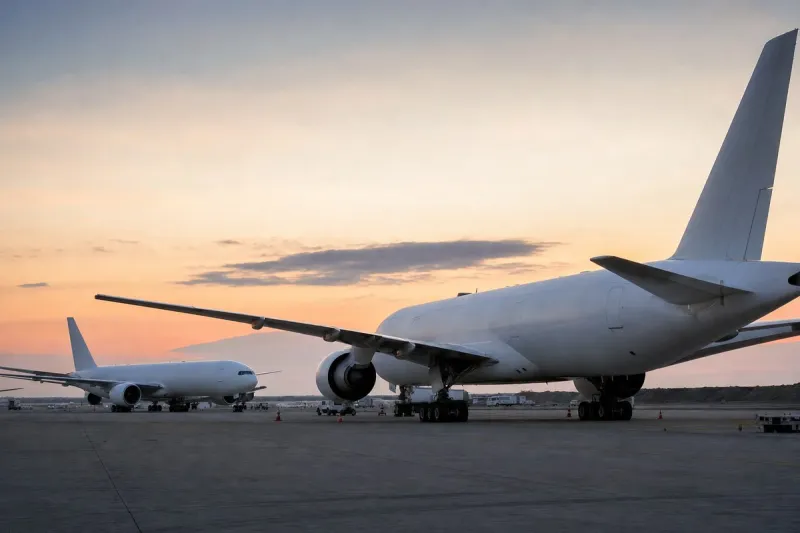
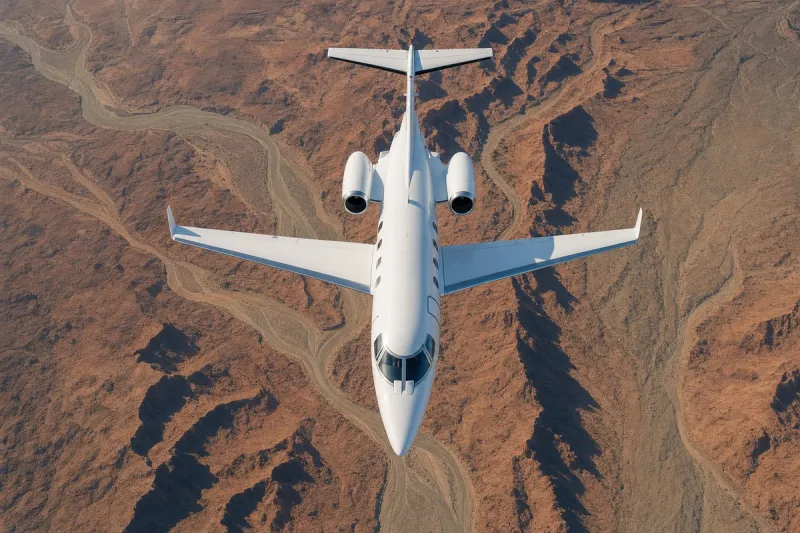
For charter, Europe-Asia sectors routed around Iranian, Iraqi and Red Sea airspace lengthen, pushing some city pairs past non-stop range and forcing technical stops at fields with degraded alternates. Planners are advised to assume a more distant diversion field in reserve fuel planning, to price in augmented crews or positioning stops because longer sectors and holding erode duty limits, to expect tight war-risk insurance terms, and to warn clients before contract signature that itineraries into or over the region may change at short notice.
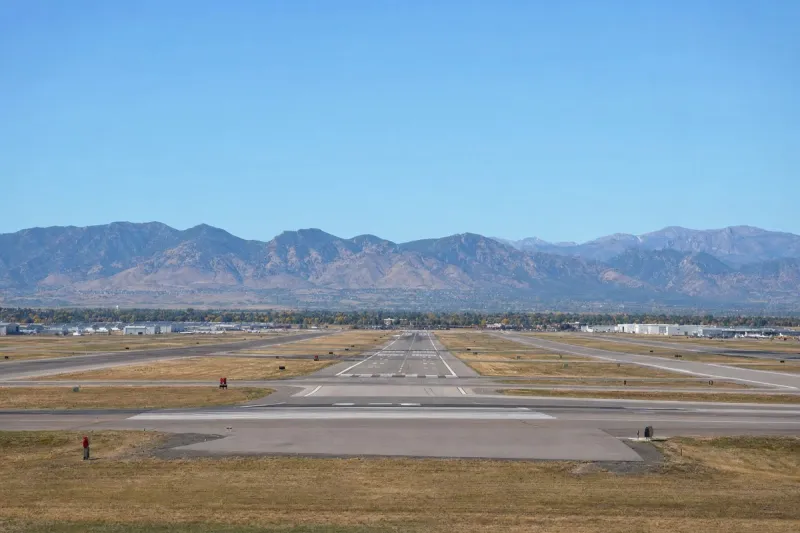
An airport that is open but capacity-constrained cannot be relied upon as a diversion field for business jets, which is why the state of Riyadh and Dammam matters beyond their own traffic.
Industry impact & what to watch
Business-jet charter prices its margin in range, reserves and duty time, and this combination of events attacks all three at once. Longer detours around closed airspace consume range, degraded alternates force heavier reserve fuel, and extra sectors and holding use up crew duty limits. Each of those costs shows up in the quote before the aircraft moves, and the war-risk insurance terms sit on top of them.
The weather strand matters on a different clock. A peak expected around December coincides with the heaviest private-travel weeks, and a storm track such as Champi's toward southern Japan can reshape Asia-Pacific schedules within days. A forecast sea-temperature anomaly does not translate into specific airport closures, so flexibility in contract terms and aircraft positioning carries more value than any single forecast.
The next markers are dated or concrete: whether EASA extends its Persian Gulf guidance past November 16, whether Riyadh and Dammam regain enough capacity to count as credible alternates, and whether British Airways keeps its November 3 and 4 restart dates. Champi's path toward southern Japan, the development of Hurricane Vance near Mexico, and the December El Nino peak complete the list.