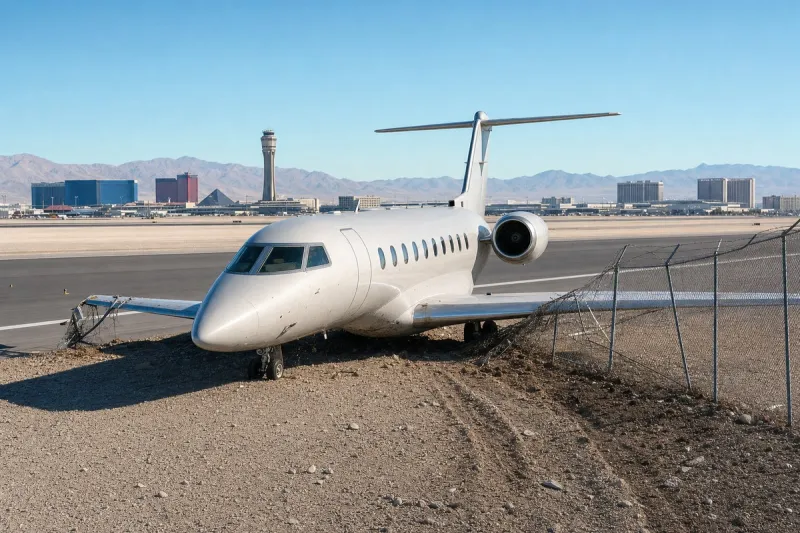
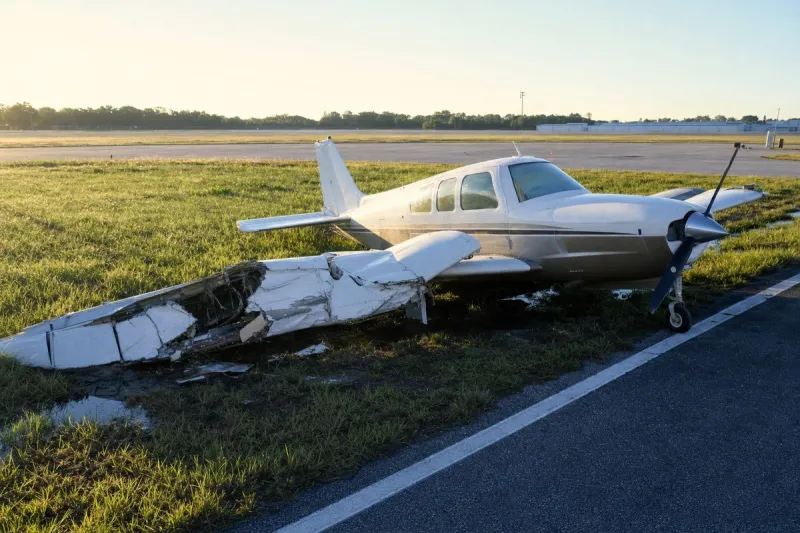
Pilot, Wife and Two Dogs Survive Night Crash of Piper PA-32 in North Carolina Trees After Engine Failure
Why It MattersNight engine failures over unlit terrain leave about six minutes to choose a landing site, so the outcome rests on pre-flight terrain awareness, slow-speed handling and the nearest airport's distance.
What happened
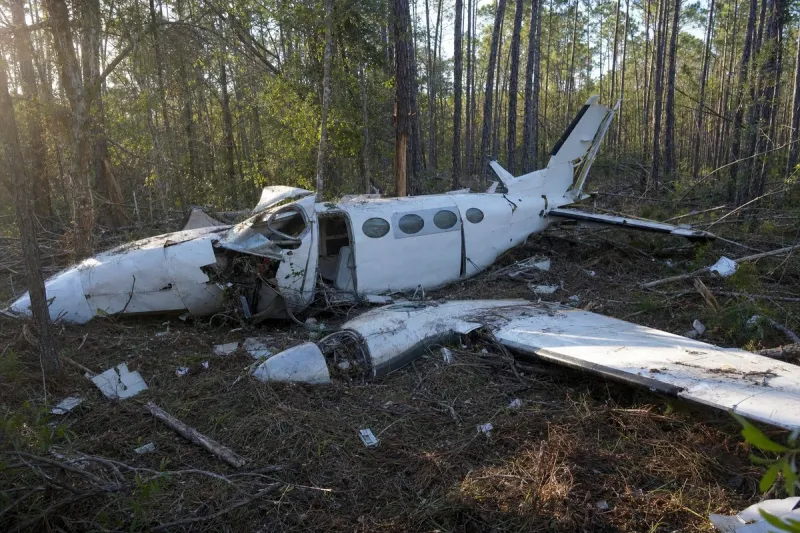
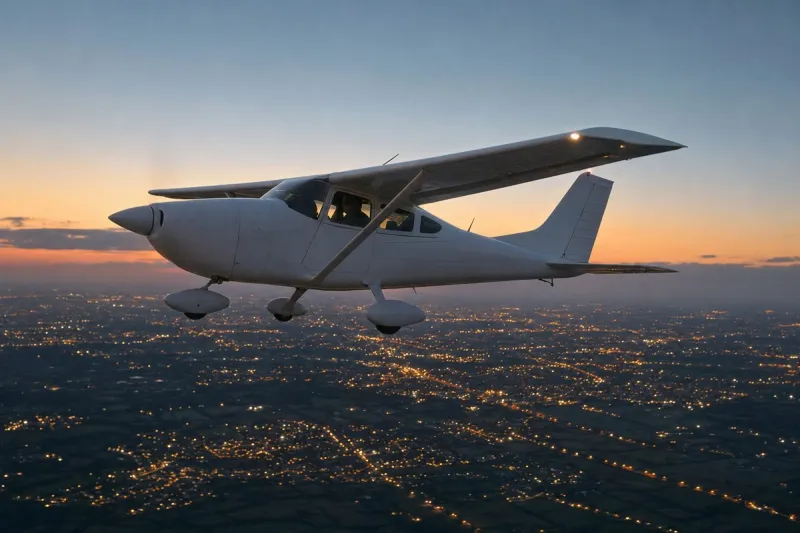
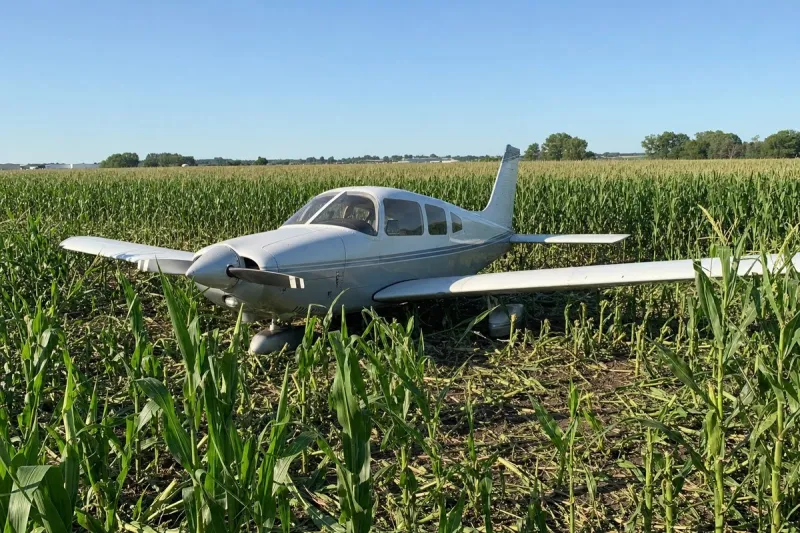
Pilot Dustin Davis and his wife, Autumn, survived the crash of their single-engine Piper PA-32 in eastern North Carolina on Oct. 7 after the aircraft lost engine power at night. The couple had gone to church that evening before taking off with their two dogs, Sophie and Royce, for their beach house in Ocean Isle Beach. Davis told WRAL the night was clear, with no moon and a dark sky.
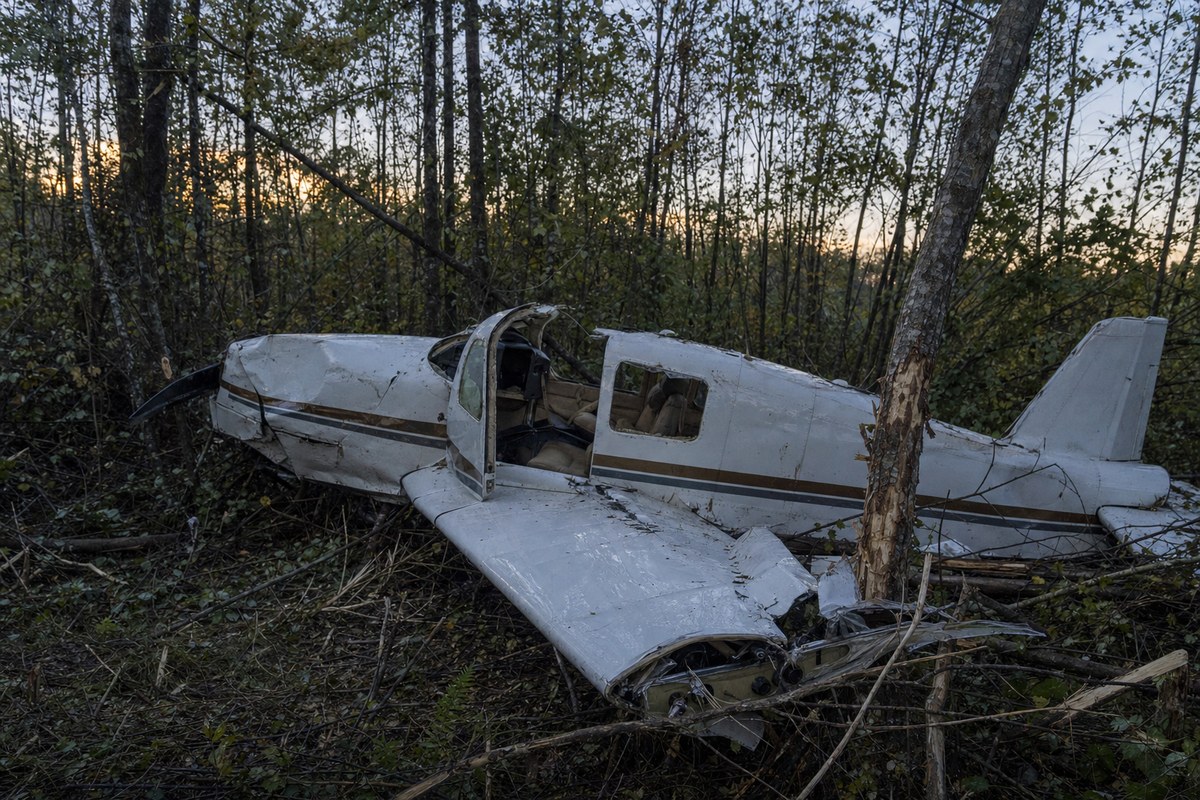
At about 6,000 feet, the engine stopped producing power. The couple had roughly six minutes to find a landing site, worked through troubleshooting procedures and contacted air traffic control. The nearest airport was about eight miles away, but the plane did not have enough power to reach it, and with no roads available and limited visibility, a crash landing became unavoidable.
Davis told his wife to pray, then turned left into the darkness. After the turn, trees appeared directly ahead. He slowed the aircraft to about 74 knots, the slowest speed he could fly without stalling, and pulled the nose up just before impact so the belly took the force. The plane struck a larger tree and came to rest suspended about six feet above the ground. The couple used their phones' lights to check the height, then climbed out with the dogs.
Davis suffered a black eye after hitting his head on the dashboard, and Autumn Davis had neck and back soreness. Both dogs were unharmed. The Federal Aviation Administration and the National Transportation Safety Board are investigating to determine the cause of the engine failure. Davis said, "I feel like I'm kind of in the bonus rounds at this point."
Industry impact & what to watch
Engine-out events at night over rural terrain compress every decision into a few minutes. With roughly six minutes from 6,000 feet and an airport about eight miles away that could not be reached, the glide range of a single-engine piston aircraft sets the limit on what a pilot can choose, and dark terrain removes most of the options within that range.
The outcome here turned on handling choices made late: flying at the slowest speed that avoids a stall and raising the nose just before contact so the fuselage belly absorbed the impact. That pattern is a recurring reference point in single-engine safety training, where controlled contact with obstacles at minimum speed is treated as more survivable than an uncontrolled arrival.
The open item is the cause of the power loss, which the FAA and the NTSB are still investigating. Their findings on the engine failure are what would turn this account from a survival story into data that owners and maintenance providers of similar aircraft can act on.