Global Aerospace Lists Eight Operational Changes Flight Departments Should Discuss With Insurers Before Implementing Them
Why It MattersAviation insurance prices risk on the basis of how an aircraft is actually flown, so operators who change operations without notice can end up with coverage that no longer matches reality.
What happened
Global Aerospace, an aviation insurer, has issued guidance on which operational changes flight departments should raise with their aviation insurance broker and insurer, and when. The release was dated Morris Plains, New Jersey, Oct. 19, 2026.

The company says flight departments should open a discussion before implementing significant changes to aircraft, pilots, operating locations, geographic areas, aircraft use or mission profiles. That gives the insurer a chance to assess whether the change creates new risks or amplifies existing ones, and whether coverage needs to be adjusted.
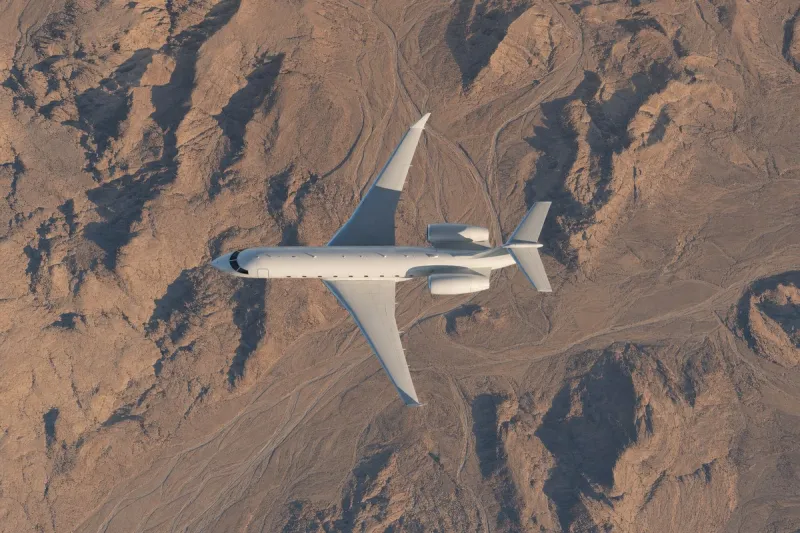
It lists eight common changes that warrant an underwriting review: adding or replacing aircraft; adding or changing pilots; changing the aircraft's primary base or operating location; expanding the geographic area of operations; changing how the aircraft is used; changing the type or frequency of operations; changing maintenance or operational practices; and changes in the management team or flight department structure. One example cited is securing coverage before a new aircraft is delivered, so hull values and liability limits are set before its first flight.
Global Aerospace advises flight departments to prepare a summary answering what is changing, which new airports or countries are involved, what training or qualifications are required, whether new vendors or service providers are involved, and whether maintenance arrangements are changing. It says advance notice gives the insurer time to review the change, ask questions and process required endorsements, while delayed notification can leave a policy out of sync with actual operations. Minor modifications, such as small route changes, typically do not need to be reported.
Industry impact & what to watch
Aviation insurance is underwritten against a declared profile of aircraft, crew, base, geography and mission. When any of those moves, the premium and terms that were set no longer describe the risk being carried, which is why insurers push for notice before the change rather than after it.
For flight departments, the practical consequence is that insurance review belongs in the planning sequence alongside crew training and vendor selection. A new aircraft, a new base or a new region of operation is a coverage event as much as an operational one, and endorsements take time to process.
The guidance also marks a boundary: small route changes typically stay below the reporting threshold, while significant departures from the declared profile do not. Where that line falls in a given policy is a matter between the operator, its broker and the underwriter.