Glasair II SFT Loses Engine Power Near Forest, Virginia After Throttle Cable Coupler Disconnects
Why It MattersThe case shows how builder-sourced engine controls in experimental kit aircraft can introduce single points of failure that certificated-aircraft practice would secure, leaving condition inspections as the main safeguard.
What happened
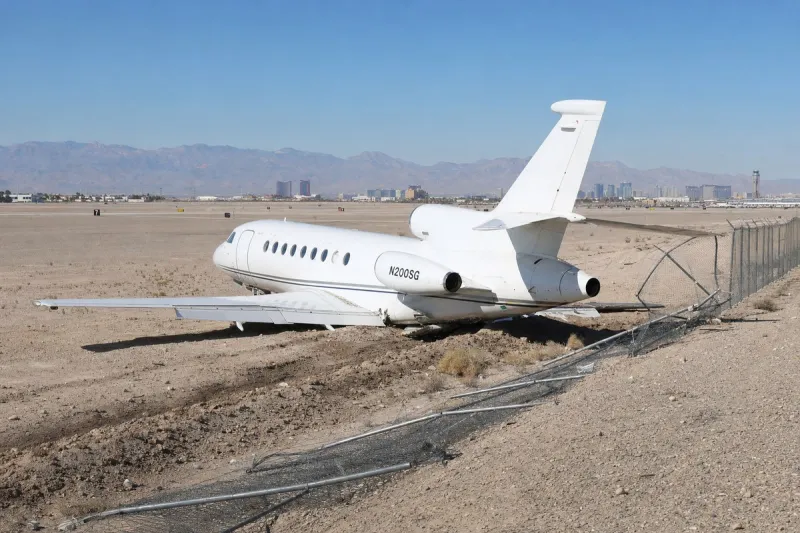
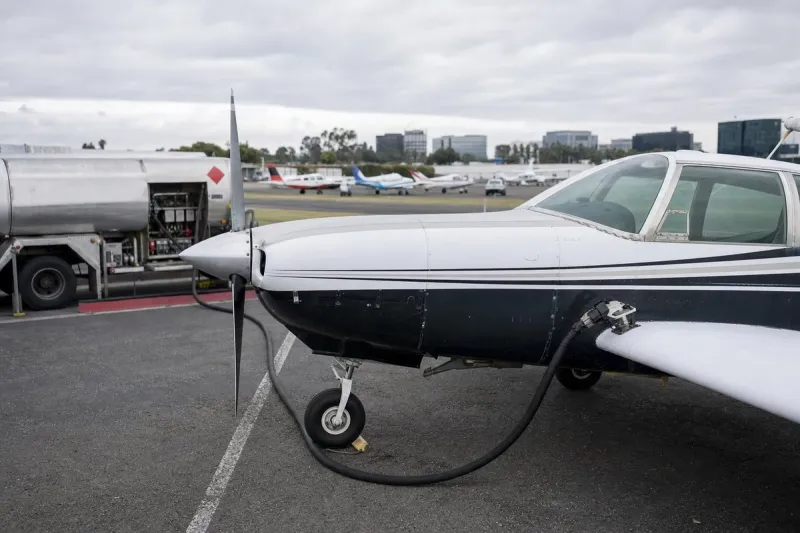
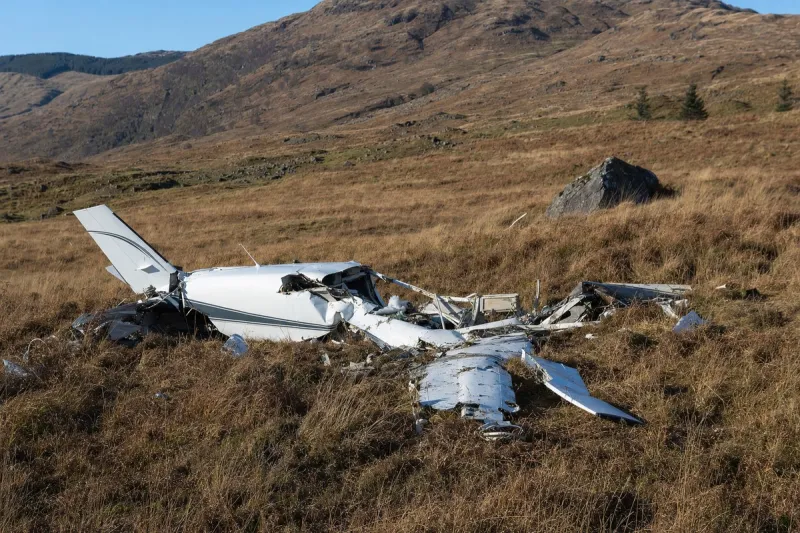
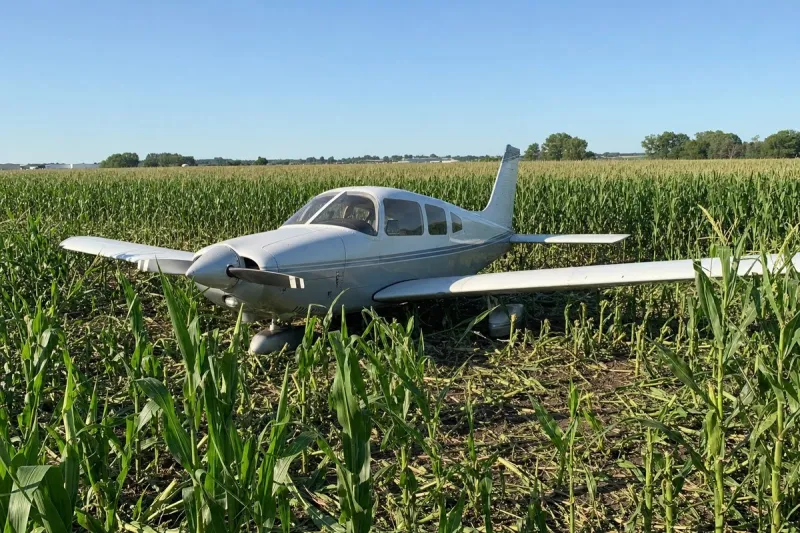
A Glasair II SFT suffered a partial loss of engine power on the crosswind leg of its second landing approach at Forest, Virginia, according to an October 2024 accident report from the National Transportation Safety Board. The pilot had departed on a cross-country flight with 46 gallons of fuel.

About 45 minutes after departure he entered the traffic pattern for Runway 18, made a left turn to avoid other inbound traffic, circled the airport and re-entered the pattern on crosswind. The airplane was high on the approach, so he performed a go-around. During the second circuit, the engine lost partial power.
An FAA inspector found that a threaded coupler between the throttle rod end and the throttle cable had loosened, disconnecting the cable from the throttle arm and allowing the arm to move freely toward idle. The inspector said he had never seen such a coupler on certificated aircraft. It allowed adjustment of the cable but created a single point of failure, and nothing such as a cotter pin or safety wire secured it.
The inspector also said the airplane had accrued about 50 hours since its most recent condition inspection on Feb. 1, 2024, about nine months before the accident. The owner of the kit manufacturer said the kit does not include throttle cables, that builders usually source engine controls from other companies, and that he had never seen a throttle cable coupler used on an aircraft; he believed it was a custom installation.
The NTSB probable cause was the installation of a non-failsafe coupler that led to the separation of the throttle cable from the throttle arm and a subsequent partial loss of engine power.
Industry impact & what to watch
Experimental kit aircraft leave the choice of engine controls to the builder, and the manufacturer here said its kit supplies no throttle cables. Hardware that would face scrutiny on a certificated airframe can therefore enter service through a custom installation, with no type-design review standing between the builder's choice and the airplane.
The failure mode in this case is a familiar one in maintenance risk: an adjustable fitting with no secondary locking device. A cotter pin or safety wire is a cheap, standard measure, and the absence of any such retention is what the NTSB cited in its probable cause. The condition inspection, about nine months old and 50 flight hours back, is the point at which a loose coupler like this one could in principle be caught, which makes the quality of that inspection the main safeguard for owner-built installations.
For insurers, kit suppliers and inspectors, the pattern is about where responsibility sits when a builder substitutes parts the kit never specified. The NTSB's finding assigns the cause to the installation itself, not to the kit.