United 737 MAX 8 Begins Emergency Diversion to Chicago After Passenger Trapped in Lavatory, Then Continues to Newark
Why It MattersLavatory latch failures recur across the 737 family badly enough to draw an FAA directive, showing that a minor cabin defect can still force a flight crew to weigh an emergency diversion.
What happened
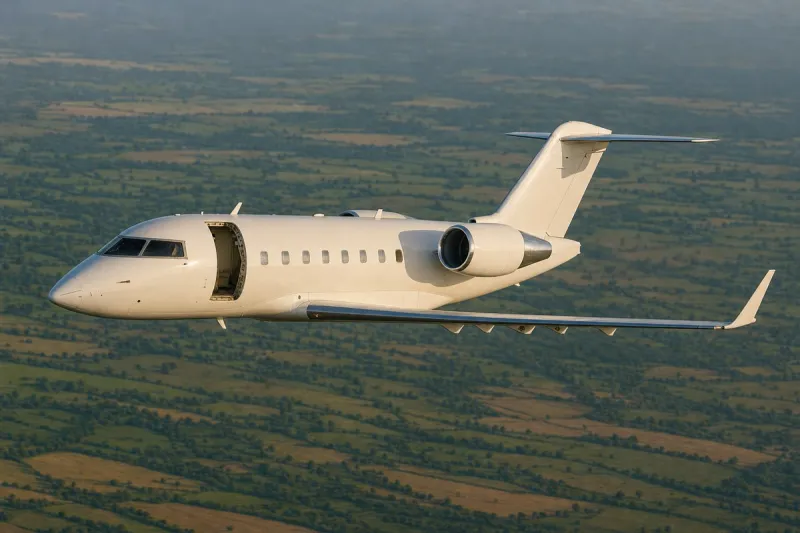
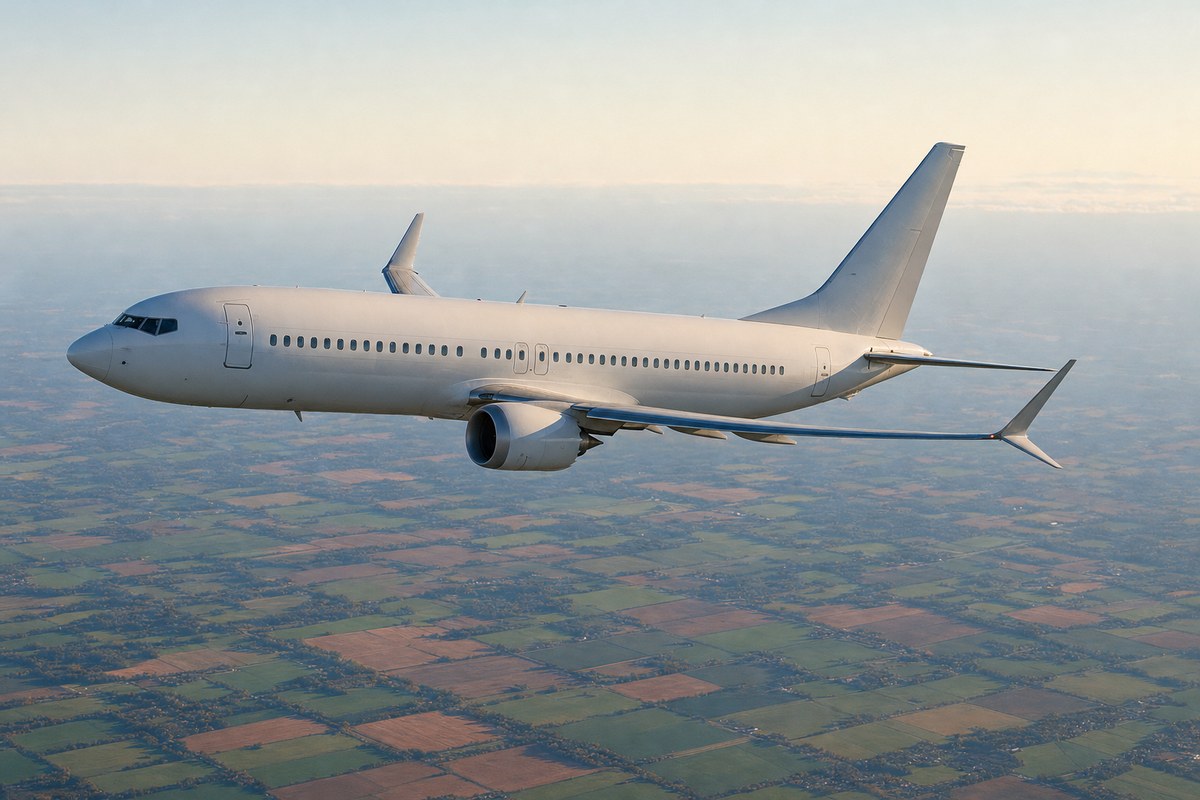
United Airlines flight UA1900, a Boeing 737 MAX 8 (N27274) flying from Seattle-Tacoma International Airport to Newark Liberty International Airport, began an emergency diversion toward Chicago O'Hare International Airport on October 13. A 69-year-old female passenger had become trapped in the rear lavatory while the aircraft was cruising at 35,000 feet.
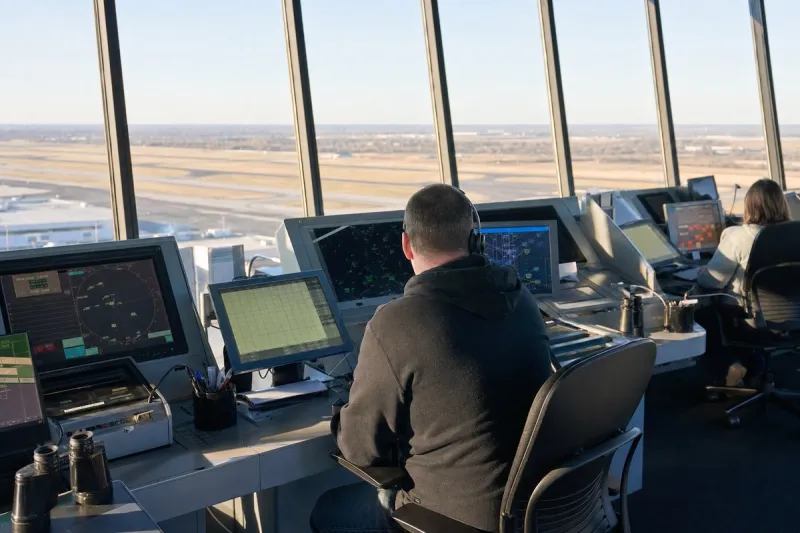
The flight left Seattle on schedule at 7:00 AM local time. About two and a half hours later, the crew found the passenger trapped because of a faulty door mechanism. Flight attendants first tried to release the lock from outside, then used onboard tools to pry the door open. After about 15 minutes of unsuccessful attempts, the captain told air traffic control he was unwilling to leave the passenger trapped for more than 20 minutes, and the crew began preparing to divert.
Flight tracking data shows the aircraft descended toward O'Hare and reached 27,000 feet as controllers cleared it for an emergency approach. During the descent the crew managed to open the door and free the passenger, who was unharmed, and the pilots cancelled the diversion. The aircraft climbed back to 37,000 feet and landed safely at Newark about four and a half hours after leaving Seattle.
FAA regulation 14 CFR 25.820 requires lavatory doors to be designed so occupants cannot become trapped, and any lock must be capable of being unlocked from outside without special tools. A hidden override behind the lavatory sign typically lets cabin crew release the lock, but on UA1900 the latch stayed stuck despite the standard procedure. A United representative could not be reached for comment.
Earlier lavatory entrapment cases
In September 2019, United flight 1554, a Boeing 737-800 from Washington, DC, to San Francisco, diverted to Denver after a passenger became trapped in a lavatory. Denver Fire Department firefighters opened the door.
In April 2025, the FAA proposed an airworthiness directive covering more than 2,600 US-registered Boeing 737 aircraft after a report of a passenger trapped by a broken latch. The agency traced the problem to fatigue in the latch's plastic structure. That directive applied to the 737-700, 737-800, 737-900, 737-900ER, 737 MAX 8 and 737 MAX 9.
Industry impact & what to watch
A jammed lavatory latch is a minor hardware fault, yet UA1900 shows how quickly it can become an operational decision. With a passenger confined at 35,000 feet, the captain set a 20-minute limit and the crew began preparing a diversion to an airport hundreds of miles off the planned route. The cost of a diversion, in fuel, crew duty time and passenger disruption, can therefore be triggered by a component that costs very little.
The 2019 Denver diversion, the 2025 airworthiness directive and this October event involve different 737 variants and different years, but a common component type. The FAA's finding of fatigue in the latch's plastic structure points to a wear problem in aging hardware rather than a one-off defect. That keeps the question in the maintenance and regulatory domain, where fleet-wide directives set inspection and replacement timelines.
The next concrete data points are United's account of what failed on N27274 and whether the latch type matches the one covered by the 2025 proposed directive. Both depend on statements from United and the FAA, neither of which has been issued yet.