EU-GCC Summit Postponed as Houthi Attacks on Saudi Airports Kill Over a Dozen
Why It MattersStrikes on civilian airports suspend Riyadh operations and push carriers to cancel service, showing how quickly airspace risk in a conflict zone cuts regional air connectivity and disrupts event-driven travel demand.
What happened
The European Union and the Gulf Cooperation Council announced on Thursday that a joint Gulf-European Summit planned for Saudi Arabia next week has been postponed and will be rescheduled. The council cited "continued attempts by the terrorist Houthi militia to target the Kingdom of Saudi Arabia and its civilian infrastructure."
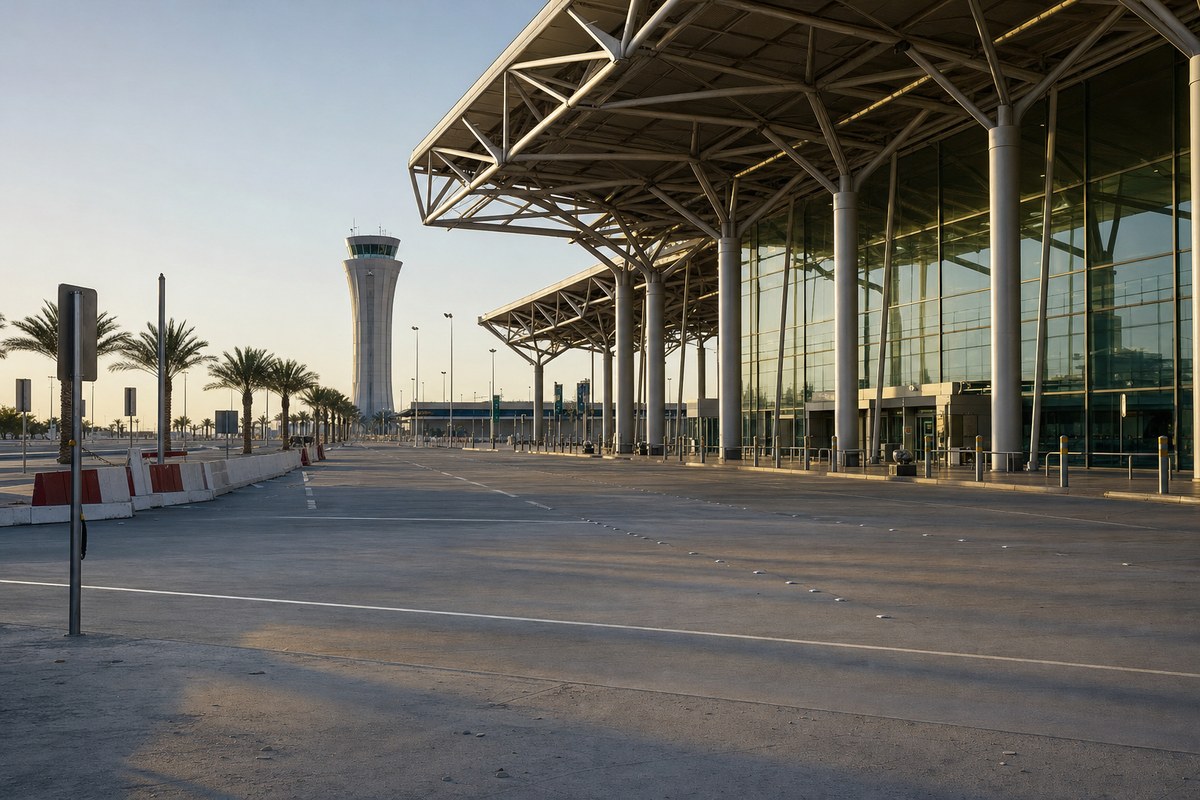
An attack on King Khalid International Airport in Riyadh on Saturday killed 13 people and injured more than 300. A projectile hit the same airport on Sunday, killing one person, Saudi Arabia's General Authority of Civil Aviation (GACA) confirmed. The previous week, an attack on Abha International Airport killed two people and wounded 28, according to GACA. Operations at King Khalid remain suspended. Etihad Airways, Qatar Airways and Philippine Airlines are among the carriers that have suspended flights to Riyadh.
On Wednesday, Houthi military spokesman Yahya Saree said operations toward Saudi territory would continue in the coming days, calling airports and oil facilities "legitimate targets" and describing the attacks as a response to Saudi strikes on Yemen. Saudi-led forces said they intercepted a ballistic missile fired toward Riyadh on Wednesday. On Tuesday night, an attack on Saudi Aramco's executive offices in Dhahran caused a limited fire, according to Saudi Arabia's Ministry of Energy. Falling debris injured four people in Riyadh.
Saudi Arabia struck an oil depot on the outskirts of Sanaa on Tuesday, an apparent response to the Riyadh airport attack. The fighting has shattered a four-year informal cease-fire in Yemen's civil war. In September, the Houthis said they had captured Perim Island in the Bab el-Mandeb Strait; Saudi-backed forces recaptured key areas around the strait in early October. Saudi authorities are investigating why their air defenses failed to stop the attacks. President Donald Trump said on Tuesday the Houthis "are behaving very badly," and on Saturday suggested the U.S. may join Saudi strikes.
The U.S. embassy in Riyadh warned of possible flight cancelations and airspace closures. The Houthis are a Zaidi Shi'ite political and armed group that emerged in Yemen in the 1990s. They seized Sanaa in 2014, triggering the civil war, and now control most of western Yemen. They have close ties to Iran, though analysts describe them as one of Tehran's more independent regional allies. Analysts say the Houthis want an end to what they call a Saudi blockade of ports and airports in their territory.
How it unfolded
The EU and the Gulf Cooperation Council announce the postponement of the Gulf-European Summit planned for Saudi Arabia next week.
Saudi-led forces intercept a ballistic missile fired toward Riyadh; Houthi spokesman Yahya Saree says operations toward Saudi territory will continue.
Saudi Arabia strikes an oil depot on the outskirts of Sanaa; that night an attack on Saudi Aramco's executive offices in Dhahran causes a limited fire.
A projectile hits King Khalid International Airport again, killing one person, GACA confirms.
An attack on King Khalid International Airport in Riyadh kills 13 people and injures more than 300.
An attack on Abha International Airport kills two people and wounds 28, according to GACA.
Industry impact & what to watch
Repeated strikes on commercial airports change the risk calculation for every carrier serving the Saudi market. When a major hub such as Riyadh suspends operations and airlines pull flights, the effect is immediate for scheduled traffic, and it extends to charter and business-aviation movements that depend on the same airspace and airport infrastructure. The postponed summit shows the same logic at work for event-driven travel: a high-level gathering that would normally generate a wave of government and executive flying is moved rather than risked.
For the segment, the pattern to note is how fast an informal cease-fire collapsing on the ground translates into aviation restrictions. Airspace warnings, carrier suspensions and airport closures arrive together, and operators with Gulf exposure typically have to rework routings and alternates at short notice while the threat environment is still being defined.
The open items are ones the sources themselves identify: Saudi authorities are still investigating why air defenses failed to stop the attacks, King Khalid's suspension has no stated end date, and the summit has been postponed without a new date. Whether the U.S. joins Saudi strikes, as Trump suggested on Saturday, would be the next development to shape how long the disruption lasts.